

14.04.2026
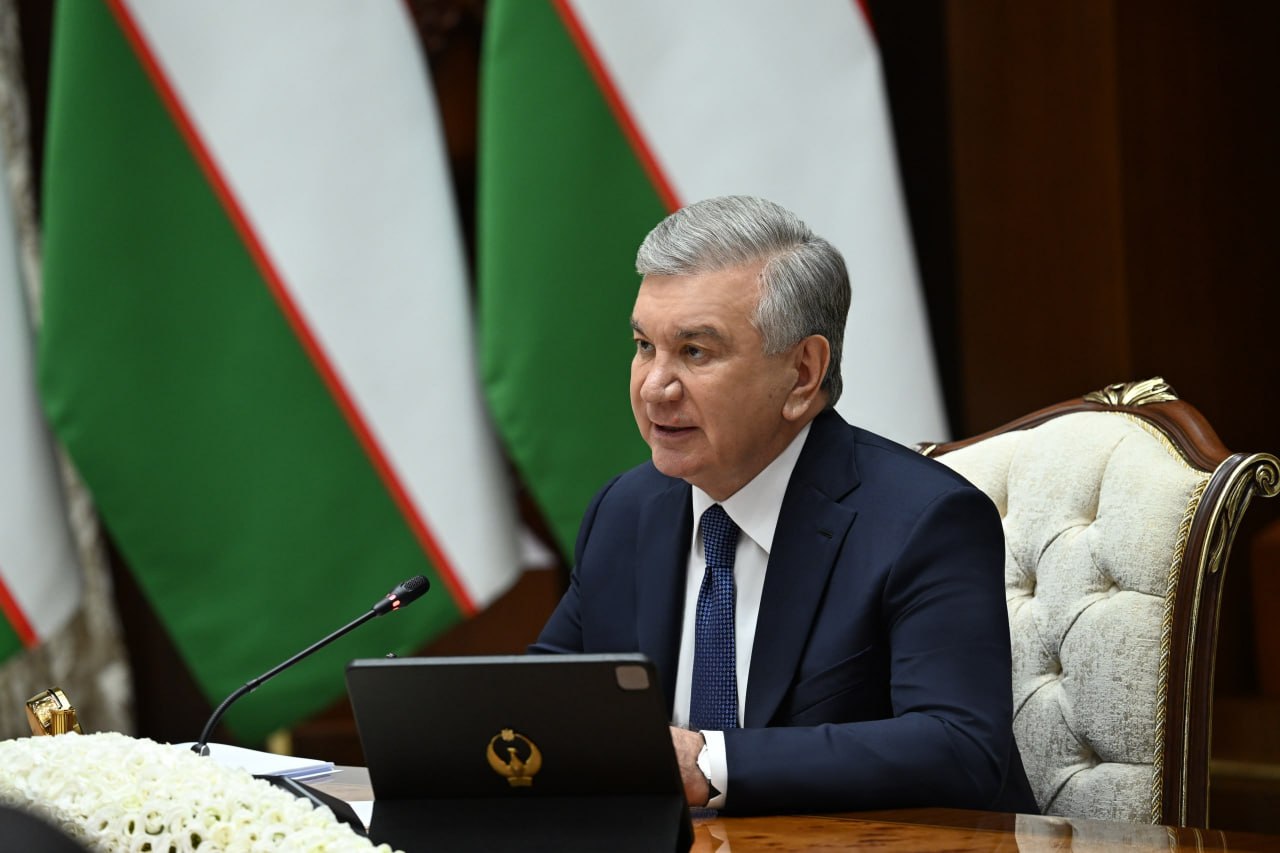
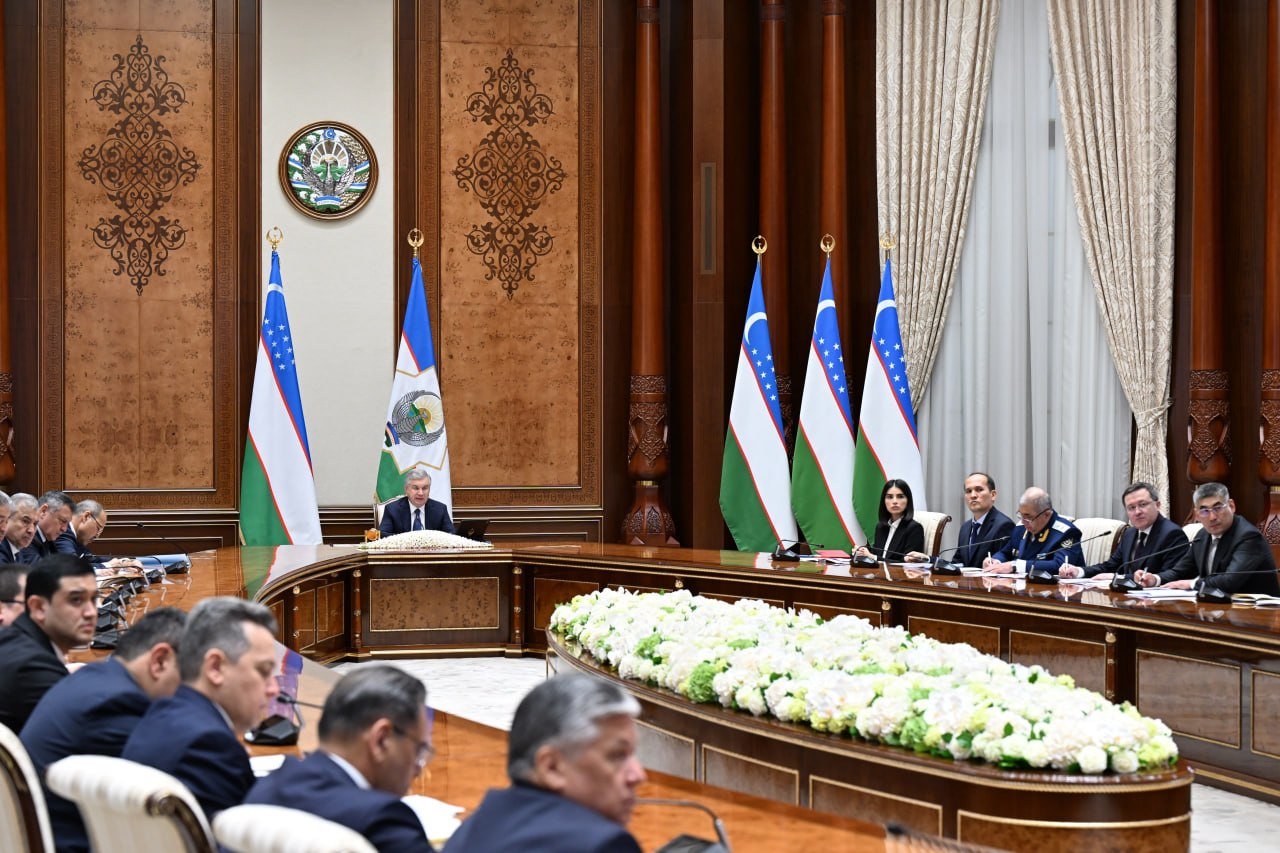
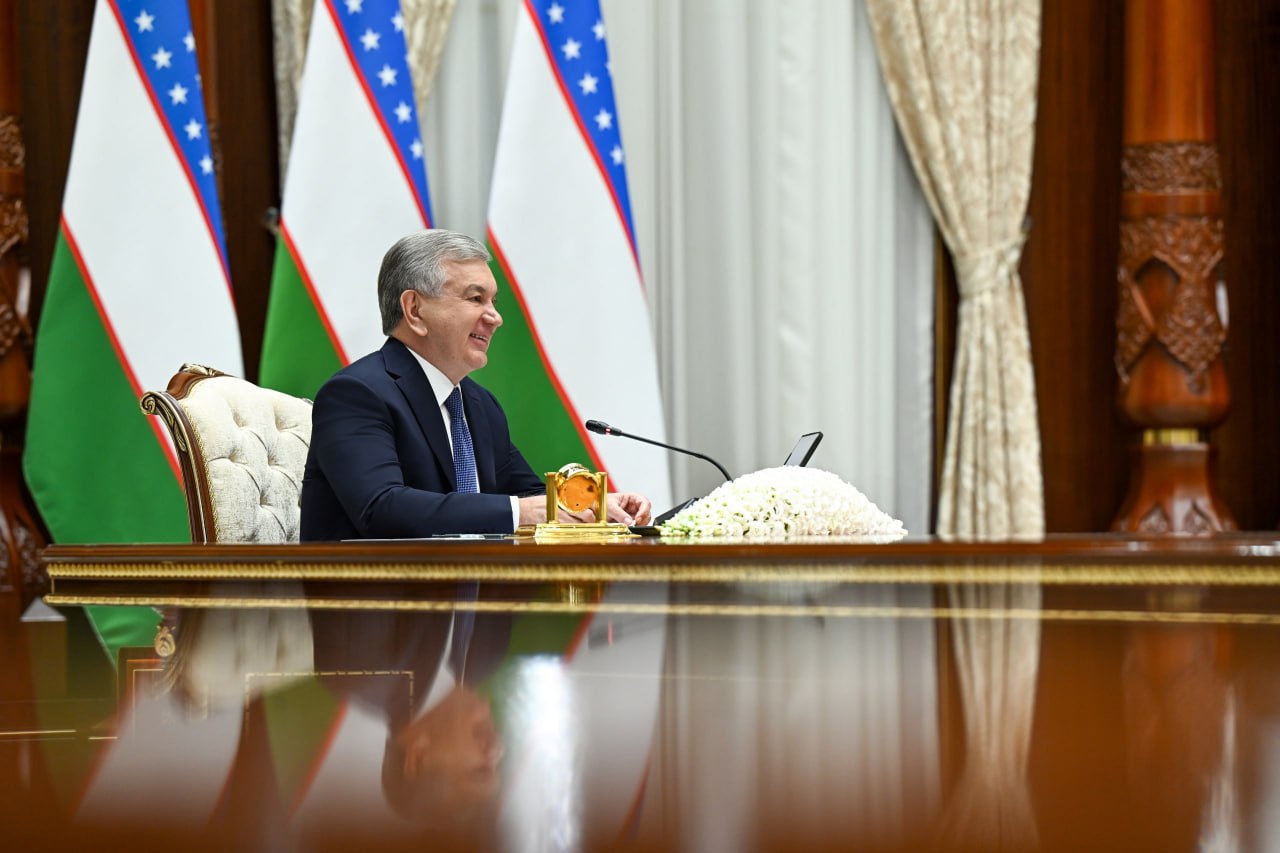
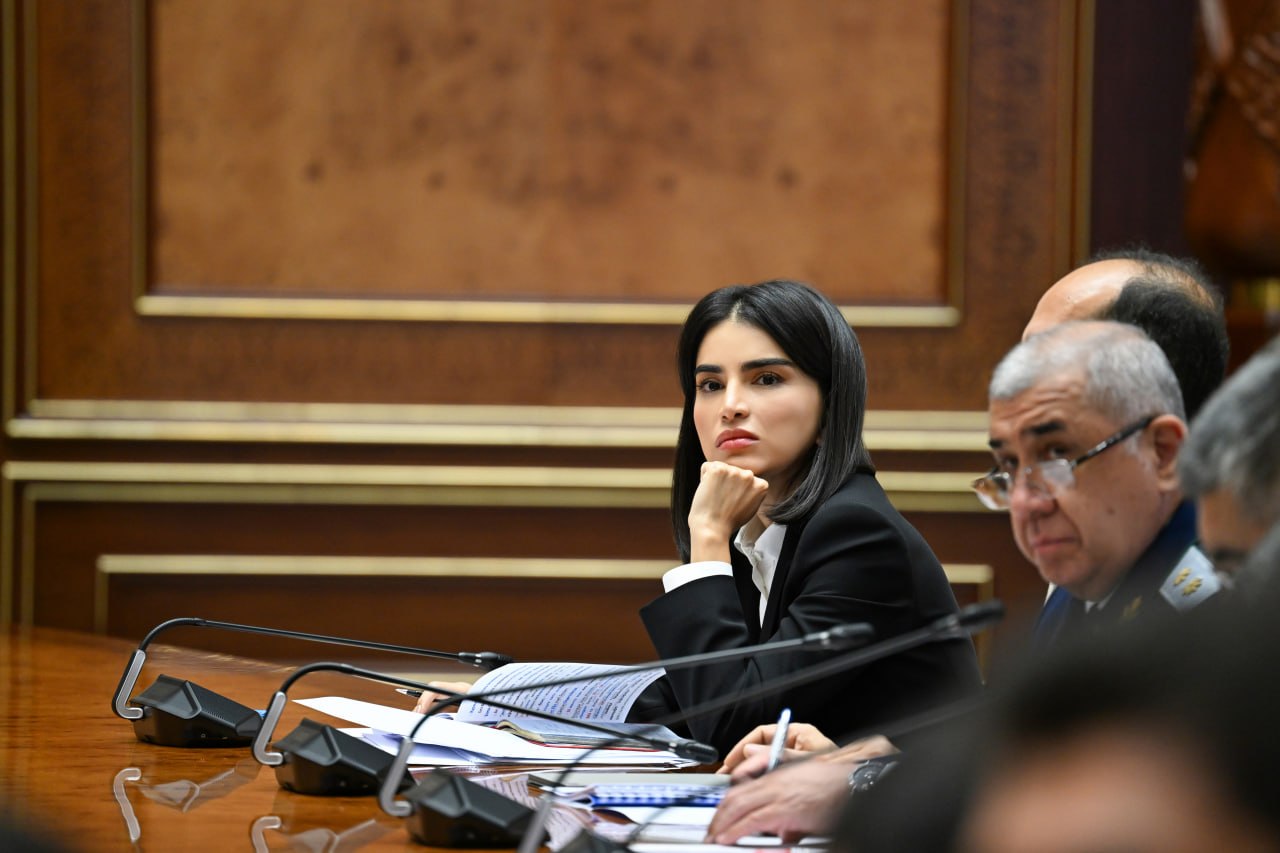
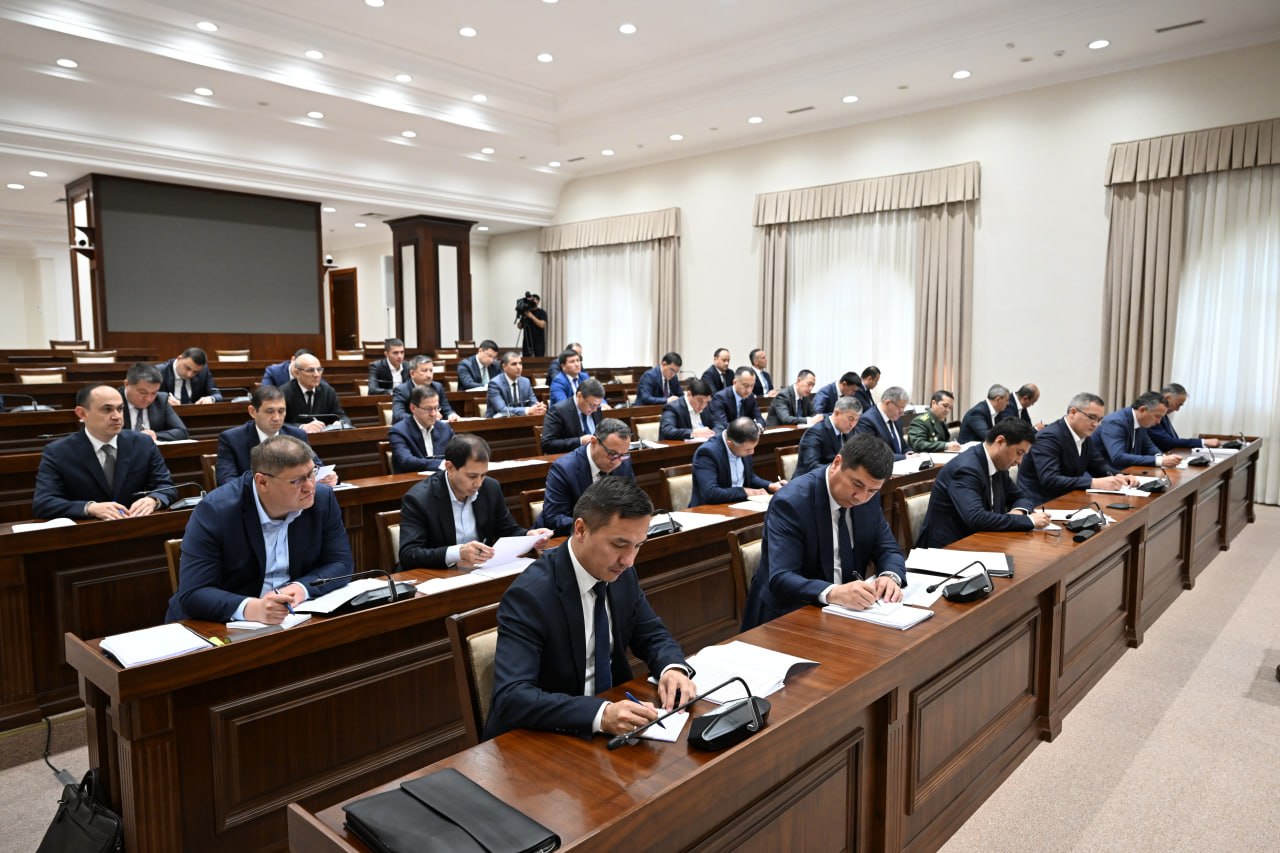
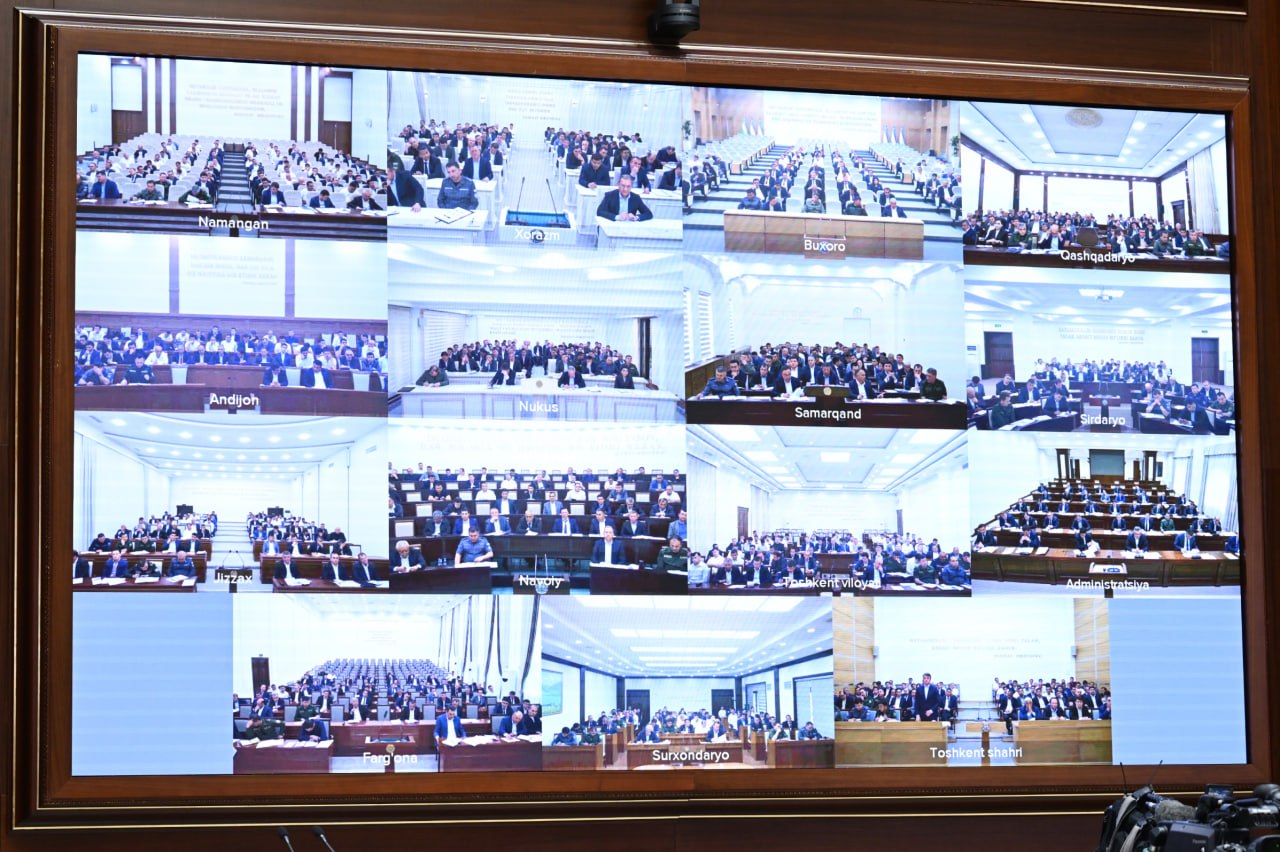
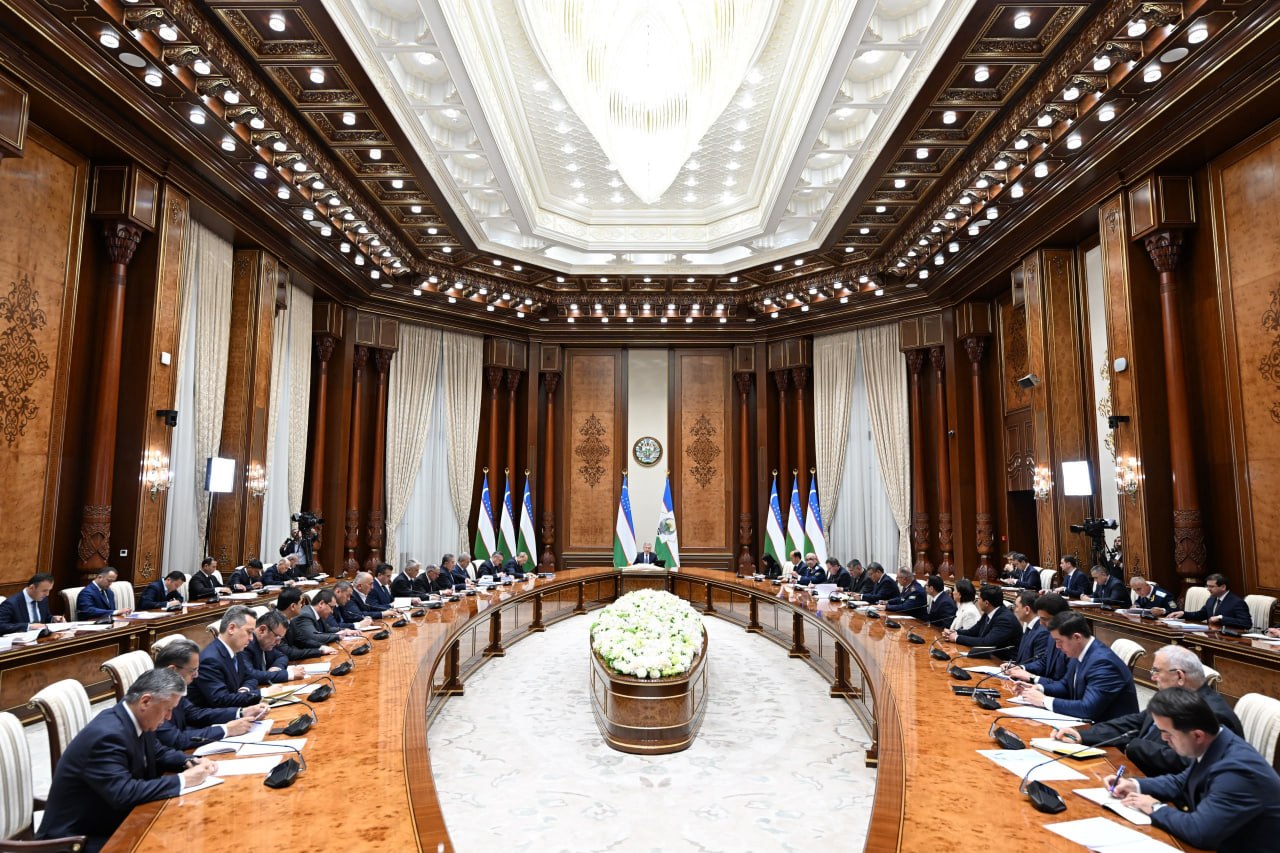
On April 14, President Shavkat Mirziyoyev chaired a meeting to review progress, address existing challenges, and outline priority tasks in housing construction and urbanization.
More than 500 industry representatives, including entrepreneurs, construction professionals, designers, architects, and urban plannersparticipated via regional studios.
The Head of State emphasized that the construction sector plays a special role in achieving the ambitious goals set to ensure high economic growth across all sectors and regions. According to studies, each dollar invested in construction can generate an additional two to three dollars for the economy, while each job created in the sector leads to up to five new jobs in other industries.
Over the past nine years, nearly 10,000 new construction enterprises have been established in the country. Twenty large companies with an annual turnover exceeding 1 trillion soums, as well as 365 companies with turnover above 100 billion soums, have emerged. The number of design organizations has surpassed 2,000, more than 650 of which have obtained international certification.
During this period, the number of stages for issuing construction permits was reduced threefold, and processing times were shortened fourfold. A total of 420 urban planning norms and regulations were unified, outdated ones abolished, and 140 new ones approved.
As a result, over the past years, 210 million square meters of buildings and structures have been constructed, along with more than 15,000 multi-storeyresidential buildings providing 647,000 apartments. The volume of construction work increased from 30 trillion soums in 2016 to 314 trillion soums last year. Today, 3.5 million people are employed in construction, building materials production, and related industries.
It was noted that each year, 6,500 hectares of land and 600,000 square meters of buildings and structures are put up for auction for business activity, while 140 trillion soums in resources are allocated to support small and medium-sized enterprises. However, despite the resolution of key issues—such as land allocation and access to financing—entrepreneurs continue to face various obstacles at the initial stages of construction, with these processes often delayed for months or even years.
At the meeting, special attention was paid to urbanization. Currently, the country’s population exceeds 38 million, with the urbanization rate reaching 51 percent and nearly 20 million people living in cities. The President noted that each one-percent increase in the level of urbanization contributes at least one percent to economic growth, with investment inflows, business and startup activity, and labor productivity rising accordingly. It was therefore emphasized that a unified approach to the sustainable development of urbanization in the republic is essential.
It was noted that 200–250 billion soums are allocated annually from the budget for the development of master plans. These funds should be directed primarily to areas where such plans are absent or outdated. There are currently many entrepreneurs seeking to implement large-scale projects in small towns and settlements, but their efforts are stalled due to the lack of urban planning documentation.
Regional khokims and the National Committee for Urbanization were instructed to complete the development of master plans for 6 cities and 44 towns, as well as for 104 villages using budget funds this year, and to begin preparing urban planning documentation for a further 50 settlements in cooperation with private investors.
The President noted that last year, 14 percent of the 112,000 land privatization applications were rejected due to the absence of master plans, resulting in missed opportunities to bring 4,000 hectares of land into economic use and generate 550 billion soums in budget revenue. In this regard, he set the task of transitioning within three months to a system that will process land privatization applications online within 5–10 minutes, without human intervention.
At the same time, it was emphasized that efforts should not be limited to the approval of master plans alone. The lack of clear specification regarding timelines, sequencing, and funding sources for the construction of proposed water, sewerage, heating, gas, power, and road infrastructure was criticized. It was noted that, for the implementation of each approved master plan, comprehensive year-by-year programs should be developed and communicated to the public, entrepreneurs, and responsible authorities.
In this regard, each regional khokim was instructed to develop comprehensive programs for the implementation of approved master plans for regional and district centers within two months. It was stressed that it is necessary to clearly define which measures will be financed from the republican and local budgets, and which will be funded by international financial institutions.
Serious shortcomings in the involvement of land and property in economic activity were also noted. Of the 11,500 hectares of land sold at auction over the past four years, construction has yet to begin on 3,000 hectares. It was also pointed out that 582 hectares of land plots and 122 state-owned properties put up for auction have remained unsold for more than a year.
The role of khokims in both the development of the privatization program and the sale of properties was criticized. It was emphasized that, in practice, the priority in the sale of each property should be to attract investment to the region and create new jobs at the mahalla level.
For this reason, it was decided to assign equal responsibility to khokims and the State Assets Management Agency for including properties in the privatization program, their sale, and ensuring the effectiveness of investments. In addition, the practice of applying an annual 14 percent surcharge on the outstanding balance for properties sold on deferred payment terms will be abolished.
The meeting also addressed the simplification of procedures for issuing permits in the construction sector. It was noted that last year, more than one-third of the over 2.6 million construction-related applications were rejected, with many cases linked to corruption and bureaucratic barriers. The President noted that the most effective way to address such issues is through digitalization and the widespread adoption of artificial intelligence.
Under the current system, citizens and entrepreneurs spend months applying separately—first for a design permit and then for an architectural and urban planning assignment. It was reported that in Tashkent, these two services have been combined into a single stage, reducing approval times by three to four times. It was instructed to extend this practice to all regions from July 1.
Citizens are also required to apply separately to each department when obtaining technical specifications for connection to utility networks. From July 1, technical specifications for electricity, gas, water supply, and sewerage will be issued through a single application and a single payment.
The lack of interaction and coordination among the 26 departments that make up local urban planning councils was noted as another cause of delays. In this regard, it was decided that the councils will now be chaired by the khokims of Tashkent city and the regions, and a system will be introduced to ensure the effective resolution of entrepreneurs’ issues.
Responsible officials were instructed to conduct a thorough analysis of all stages – from obtaining a construction permit to commissioning the facility – within three months and to submit a draft resolution on reducing requirements, timelines, and payments by at least half.
Construction quality and supervision were also critically reviewed. Last year, 42,000 shortcomings were identified at construction sites by design organizations and client supervisors, while the Construction Inspectorate recorded over 250,000 violations. It was noted that one of the reasons for this is the low level of engagement among designers and clients in carrying out author’s and technical supervision.
From June 1, the performance of state clients will be fully evaluated based on KPIs, and employees’ salaries will be increased threefold. Up to 5 percent of project costs will be allocated for the development of design documentation, while author’s supervision will be provided under a separate contract. Where gross violations are identified at facilities under technical or author’s supervision, strict measures will be applied not only to contractors but also to supervisory bodies, and the designer’s rating in the “Shaffof Qurilish” system will be downgraded.
The meeting also addressed infrastructure projects implemented with the participation of international financial institutions. Currently, projects worth over $20 billion are under implementation in this area. It was criticized that responsible officials and clients, including ministries and departments, do not sufficiently safeguard the interests of local construction companies in negotiations with international financial institutions, do not take these interests into account when determining contract terms, and do not systematically work to clarify the conditions for participation in international tenders.
It was emphasized that ensuring access to housing must remain a constant priority. In recent years, 4.1 trillion soums have been allocated for the infrastructure of 56 “Yangi Uzbekistan” residential areas, with a further 1.4 trillion soums planned for this year.
This year, responsible officials and khokims are required to complete the construction of 34,000 apartments in these residential areas. The expansion of residential developments with ongoing construction will be permitted only after at least 85 percent of the apartments have been handed over to their owners.
In total, multi-apartment residential buildings with 140,000 apartments must be commissioned in the regions this year. In this, special attention should be paid to renovation.
Attention was also given to personnel training in the sector and the development of a creative environment. Instructions were issued to establish the first creative park for architects, designers, and urban planning specialists in Tashkent, with plans to develop similar parks in the regions. In addition, from the next academic year, a self-financing higher education institution specializing in urbanization, cadastre, and geodesy is planned to be launched. A technical college for training mid-level specialists will also be established within its structure.
At the end of the meeting, the President heard reports from sector and regional leaders, as well as proposals and initiatives from entrepreneurs in the construction sector.


When using materials reference to www.president.uz is required
© 2026 Official web-site of the President of Uzbekistan
All rights reserved
Attention! If you find an error in the text, select it and press Ctrl + Enter to notify the administration
