

04.08.2026
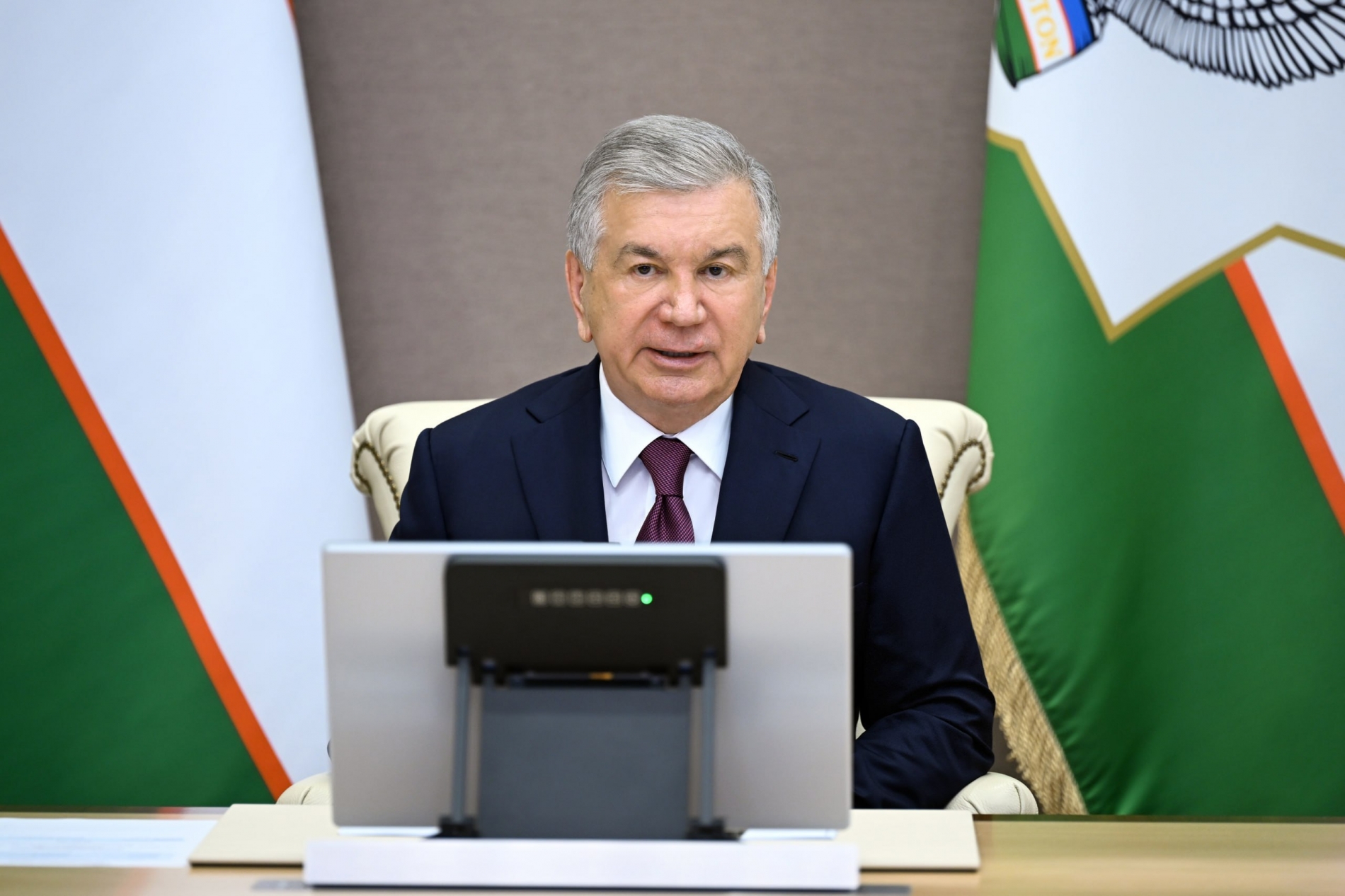
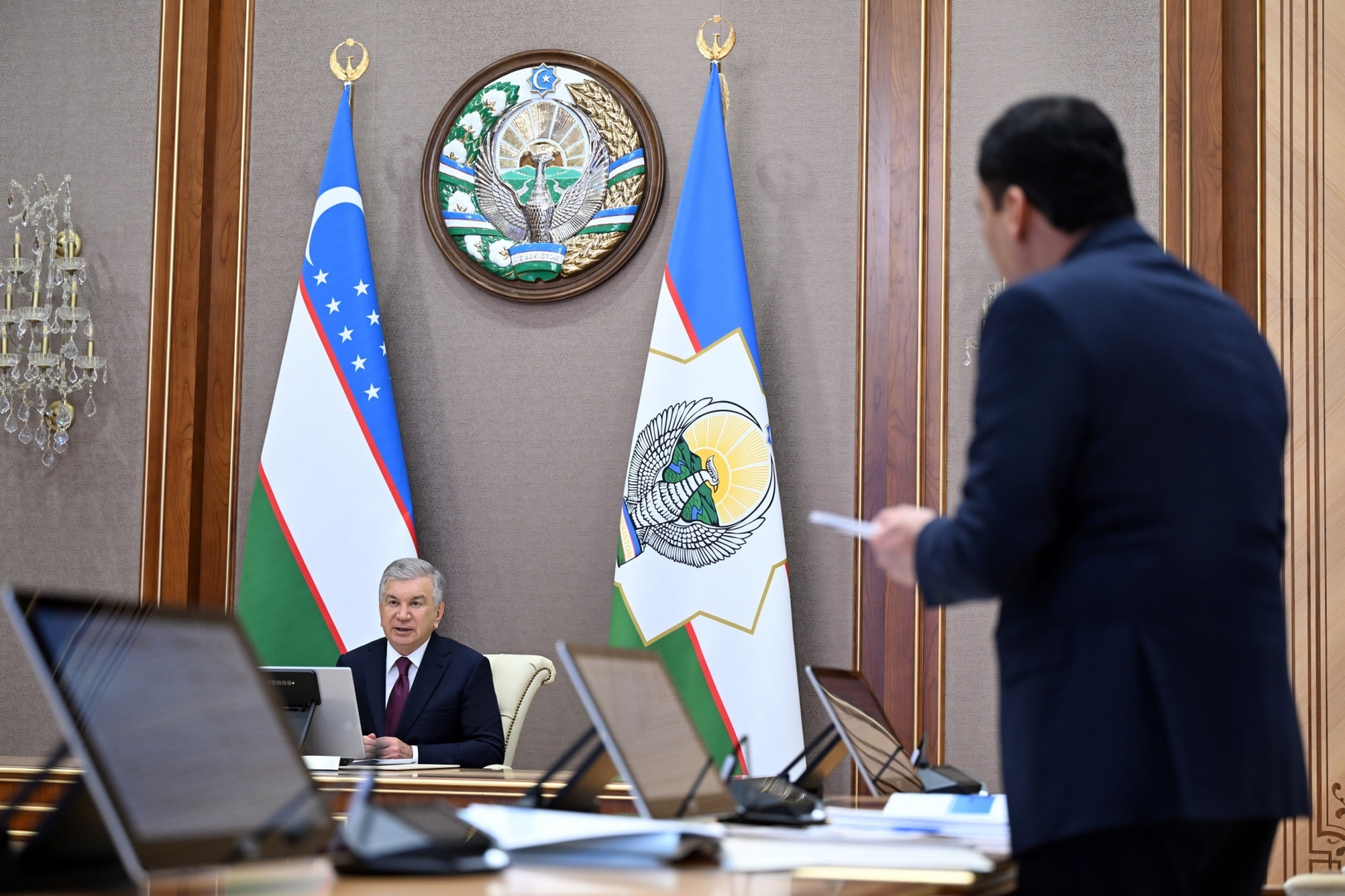
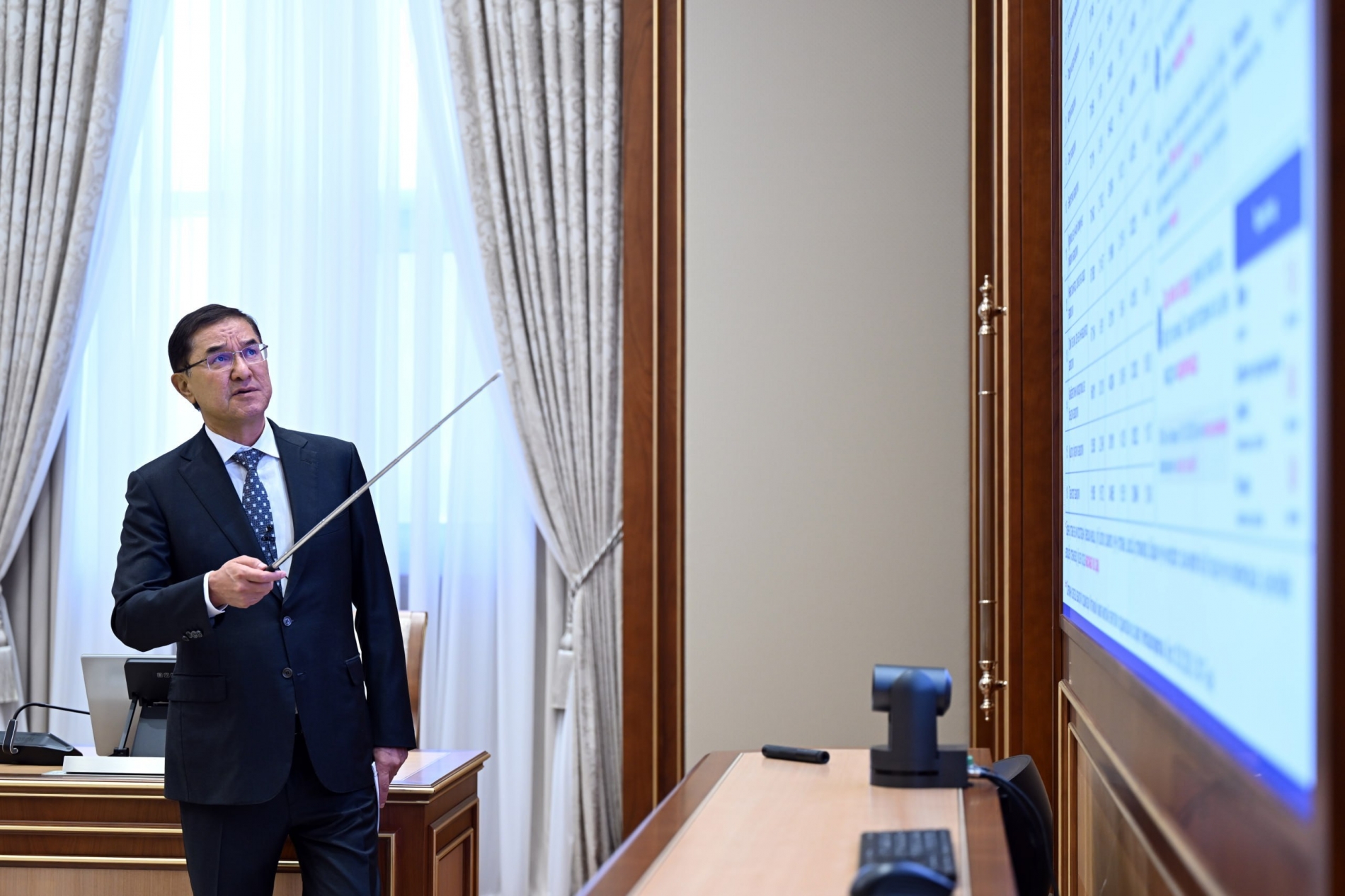
President Shavkat Mirziyoyev was briefed on proposals to unify the salary system and remuneration conditions for state civil servants.
In recent years, large-scale reforms have been implemented to improve the system of selection, employment, and motivation of personnel in the civil service.
A separate law was adopted defining the rights, duties, and basic principles governing the activities of state civil servants. The number of managerial staff in state bodies was optimized from 73,000 in 2016 to 54,000.
During the presentation, the remaining disparities in the current remuneration system were analyzed.
At present, the share of the base salary in the remuneration structure of civil servants does not exceed 15 percent. Up to 70 percent of the wage fund consists of various allowances, bonuses, and incentive payments that are not linked to the employee's actual performance.
As a result, significant disparities have emerged in the remuneration of employees holding the same positions and performing similar functions. It was noted that, when comparing the salaries of employees of the territorial divisions of certain ministries and agencies with those of employees holding equivalent positions in regional, district, and city khokimiyats, the principle of equal remuneration is not observed.
There is no single legal document regulating the remuneration system. In most state bodies, the terms of remuneration are governed by more than 50 separate regulatory documents.
In this regard, it was proposed to introduce a unified, transparent, and results-based remuneration system for state civil servants.
The new system is planned to cover 54,000 civil servants. State bodies will be divided into national, republican, regional, district, and city levels, while employees will be grouped into administrative management, core activities, and support groups according to their functions.
Based on international experience, it was proposed to introduce a new tariff scale consisting of 11 grades and 6 steps. Instead of more than ten types of allowances and bonuses, three main types of incentive payments will be introduced.
In particular, the system provides for an allowance based on qualification level and key performance indicators (KPIs), with employees assessed on the basis of the performance of their official duties, compliance with executive and labor discipline, and demonstrated initiative.
In addition, at the end of each reporting period, bonuses will be awarded to employees who have completed important and complex tasks, introduced innovative approaches, and achieved outstanding results.
Under the proposed system, the salaries of employees of territorial departments will not exceed those of employees in equivalent positions in the respective khokimiyats. When determining salary levels and staffing levels in districts and cities, population size and territorial characteristics will be taken into account.
Most importantly, every civil servant will know in advance how their salary is determined and what results qualify them for additional allowances or bonuses. This will help increase the efficiency, initiative, and responsibility of employees.
The Head of State emphasized the importance of ensuring fairness and transparency in the remuneration system, as well as linking salaries to employees' qualifications, responsibilities, and performance.
It was also determined that bonus payments will be based on specific criteria, such as employees' proficiency in advanced information technologies, including artificial intelligence, modern knowledge and skills, as well as the accumulation of experience and professional development.


When using materials reference to www.president.uz is required
© 2026 Official web-site of the President of Uzbekistan
All rights reserved
Attention! If you find an error in the text, select it and press Ctrl + Enter to notify the administration
