

01.05.2026
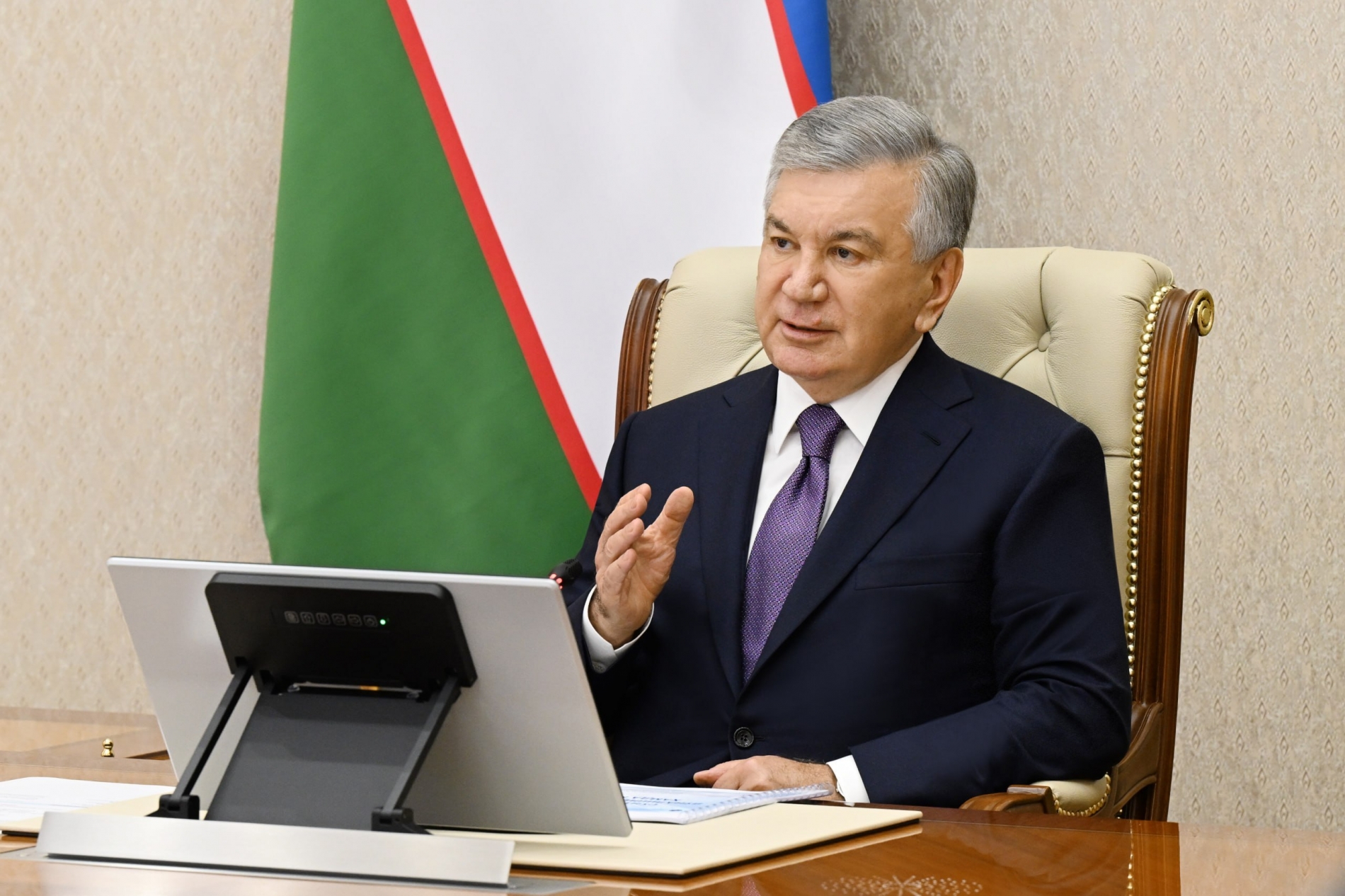
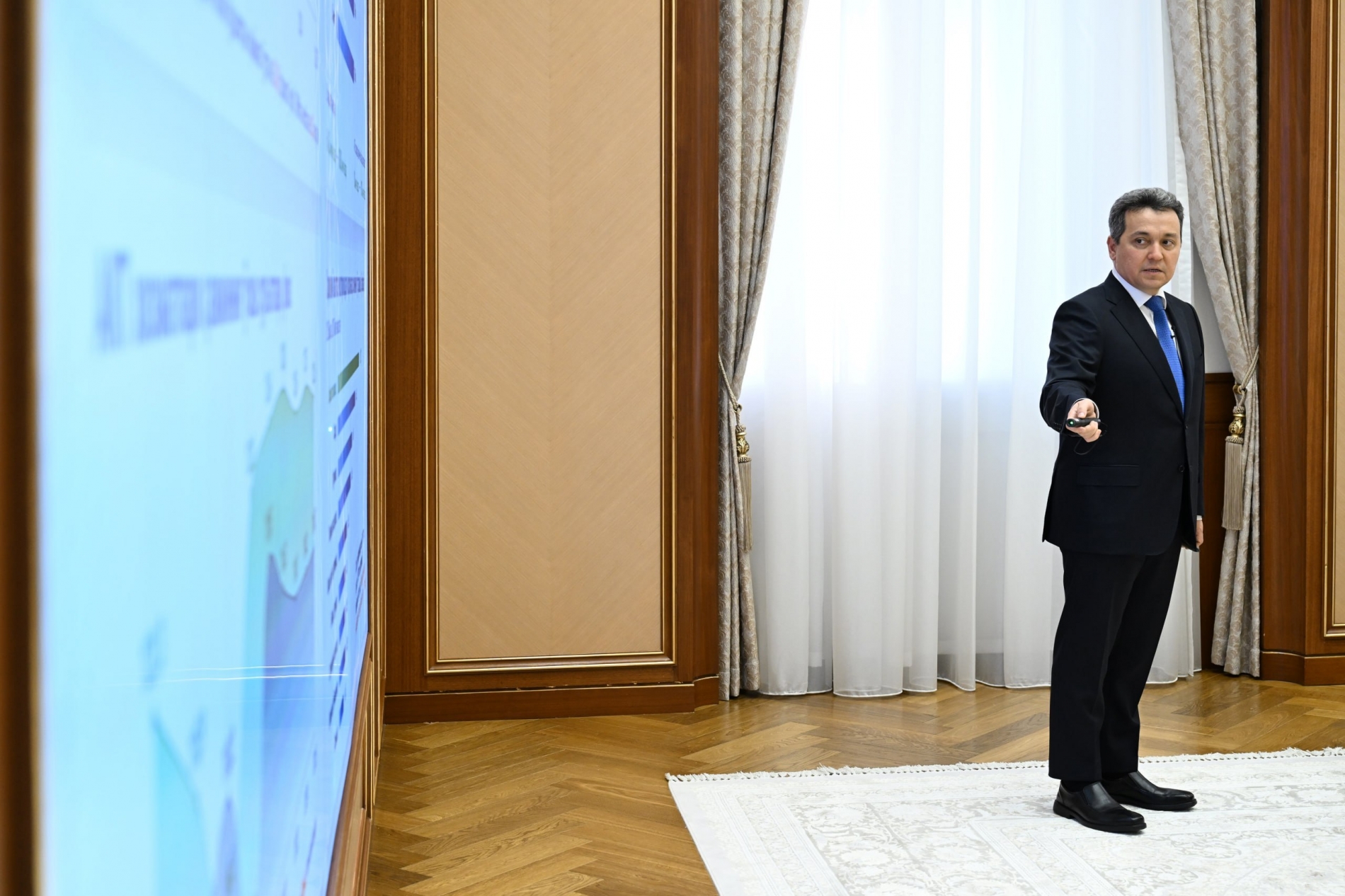
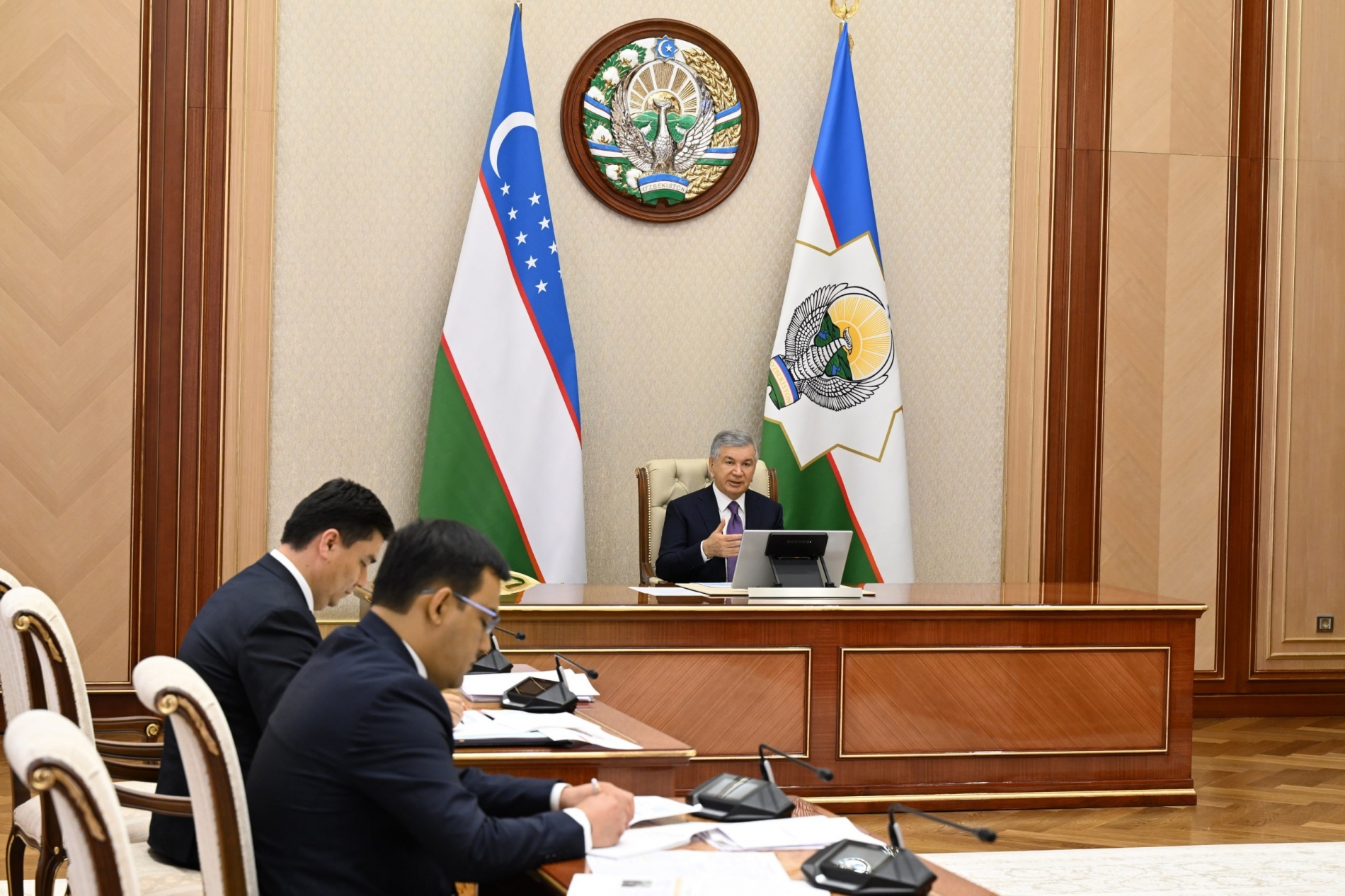
President Shavkat Mirziyoyev was briefed on ongoing reforms and future priorities in the field of artificial intelligence and digitalization.
Systematic efforts are underway in the country to accelerate economic growth and enhance the quality of life through the adoption of digital technologies and artificial intelligence.
In line with the Uzbekistan–2030 Strategy, key priorities include increasing exports of IT services and software products to $5 billion, creating employment opportunities for 300,000 young people in the sector, and positioning the country among the top 30 nations in the UN E-Government Development Index.
In recent years, the impact of digitalization on the national economy has grown significantly. Over the past five years, gross value added in the sector has increased by an average of 24.8 percent, which is 3.5 times the overall GDP growth rate. Employment in the information and communication sector has risen from 64,300 in 2017 to 108,800, while the number of self-employed individuals has expanded from 10,000 to 181,000. Currently, more than 11,900 enterprises operate in the sector, including around 1,400 with foreign capital participation.
At the same time, approximately 100 practical projects are under implementation, and over 200 pilot initiatives have been launched in the field of artificial intelligence. In particular, the introduction of an AI-based real-time production chain analysis system at Copper Concentrator Plant No. 3 of the Almalyk Mining and Metallurgical Complex has reduced energy consumption by 10 percent, lowered production costs by 15 percent, and increased labor productivity by 10 percent.
To ensure the effectiveness of such projects, an artificial intelligence infrastructure equipped with a GPU cluster has been established with an investment of $24 million. Additional equipment worth $45 million is planned to be deployed by the end of the year to further expand computing capacity. It was noted that the effective use of this infrastructure, along with its alignment with solutions delivering tangible results across economic sectors, is of key importance.
Plans were also reviewed to systematize more than 130 databases across healthcare, energy, transport, customs and tax systems, agriculture, and other sectors, and to create an integrated environment for working with these datasets and deploying artificial intelligence models. This is expected to expand the range of public services, enhance the quality of analysis and decision-making in public administration, and increase efficiency across the economy.
The application of artificial intelligence technologies across various sectors was also addressed separately.
Specifically, in healthcare, plans include the implementation of solutions for the early detection of stroke and breast cancer, the automation of medical examination documentation processes, and the introduction of digital medical assistants. In agriculture, projects will focus on crop yield forecasting, informing farmers about phytosanitary risks, and monitoring pasture conditions. In the transport sector, measures include monitoring road surface and railway infrastructure, warning drivers about hazardous situations, and developing intelligent transport systems. In construction and industry, efforts will focus on detecting violations, reducing the time required to review cost estimate documentation, and monitoring production processes using video analytics.
Alongside infrastructure development, issues related to supporting domestic startups and enhancing digital skills among the population, particularly young people, were also discussed. It was noted that the number of startups in the country has reached 950, representing a 37.5 percent increase compared to the same period last year. The number of venture capital funds has risen to 22, with the ecosystem valued at $4.3 billion. Total investment in startups has amounted to $132 million.
It was reported that, starting this year, the prize fund for the Presidential IT Startup Competition has been increased to $5 million, and new competitions in the field of artificial intelligence with a prize fund of $1 million have been introduced. In addition, it was proposed to establish the President AI Award across five areas, such as public administration, industry and entrepreneurship, healthcare, education, the green economy, and agrotechnology.
Measures aimed at ensuring employment for 300,000 young people in the IT sector by 2030 were also reviewed. The need to expand the digital ecosystem in the regions, create new jobs, increase the volume of export-oriented services, and expand startup growth points for this purpose was emphasized.
In this regard, plans were presented to establish new branches of IT Park in Samarkand, Namangan, Sirdaryo, and Bukhara, as well as an R&D center in the city of Nurafshon. The center, to be developed on a 7.3-hectare site in Nurafshon, will include six high-tech laboratories, a computing center with 200 GPUs for artificial intelligence, a startup campus, and a commercialization center. The total project cost is estimated at $200 million, with implementation scheduled for 2027–2031.
Special attention was also paid to the development of digital education.
Within the 5 Million AI Leaders project, more than 1 million basic-level course participants, over 300,000 intermediate-level participants, and 1,500 professional-level specialists have been trained. It was also proposed to organize artificial intelligence classes and startup zones in schools.
At the same time, an assessment of the state of digital infrastructure in schools was conducted. It was noted that Wi-Fi access is absent in 69 percent of schools, 5,000 computer laboratories are outdated, and 2,000 schools lack such facilities. In this regard, the need to take concrete measures by 2030 to modernize 16,000 computer labs, provide schools with free Wi-Fi access, and increase internet speeds was emphasized.
Particular attention was also paid to expanding the use of domestic IT solutions. It was noted that there is potential to localize at least 45 percent of software products and IT services in state-owned enterprises and banks. In this regard, it was proposed to introduce a system of mandatory approval through the Agency for Industrial Cooperation and Public Procurement for the import of IT services by state-owned enterprises and banks, and to direct procurement orders to IT Park residents.
The development of telecommunications infrastructure and regulatory frameworks was also reviewed.
In recent years, coverage of telecommunications services in populated areas has increased from 41 to 98 percent, while total internet bandwidth has expanded 65-fold to reach 4,400 gigabits per second. A dedicated agency has been established to regulate the telecommunications market, monitor service quality, and protect user rights.
At the presentation, plans were also reviewed to increase the telecommunications market by at least 10 percent annually, bringing its volume to 27.5 trillion soums this year.
Ensuring cybersecurity, integrating state information systems, and strengthening the digital government platform were also discussed. It was emphasized that state information systems should be integrated exclusively through the unified e-government platform. Systems that have not undergone a cybersecurity audit should be restricted, and comprehensive IT audits should be conducted every two years to enhance information security.
The Head of State stressed that artificial intelligence and digitalization are not just technological innovations, but a strategic direction that determines economic efficiency, the quality of public administration, the accessibility of services, the country’s export potential, and its competitiveness. Responsible officials were given relevant instructions to elevate efforts in this area to a new level.


When using materials reference to www.president.uz is required
© 2026 Official web-site of the President of Uzbekistan
All rights reserved
Attention! If you find an error in the text, select it and press Ctrl + Enter to notify the administration
