

01.05.2026
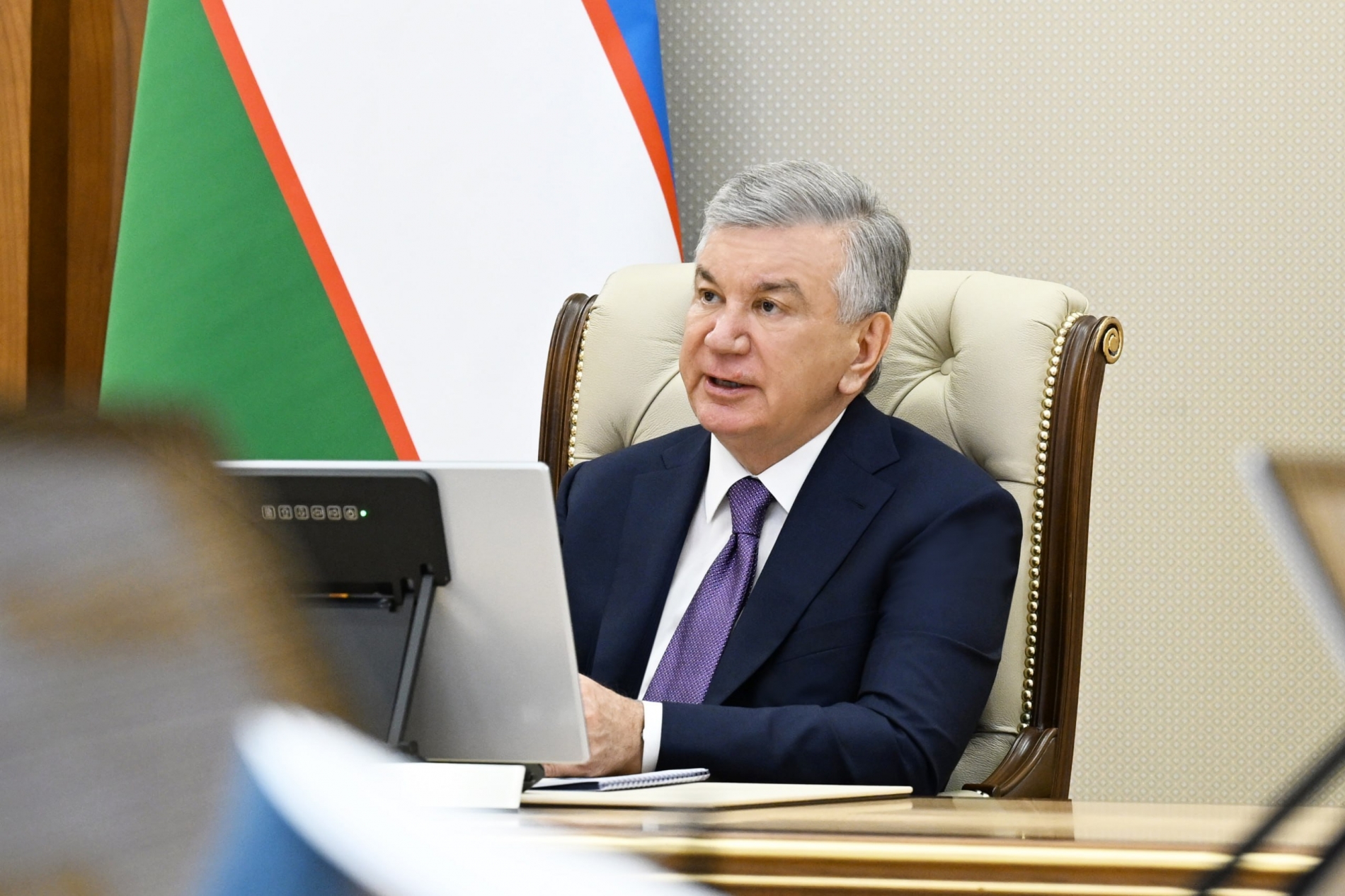
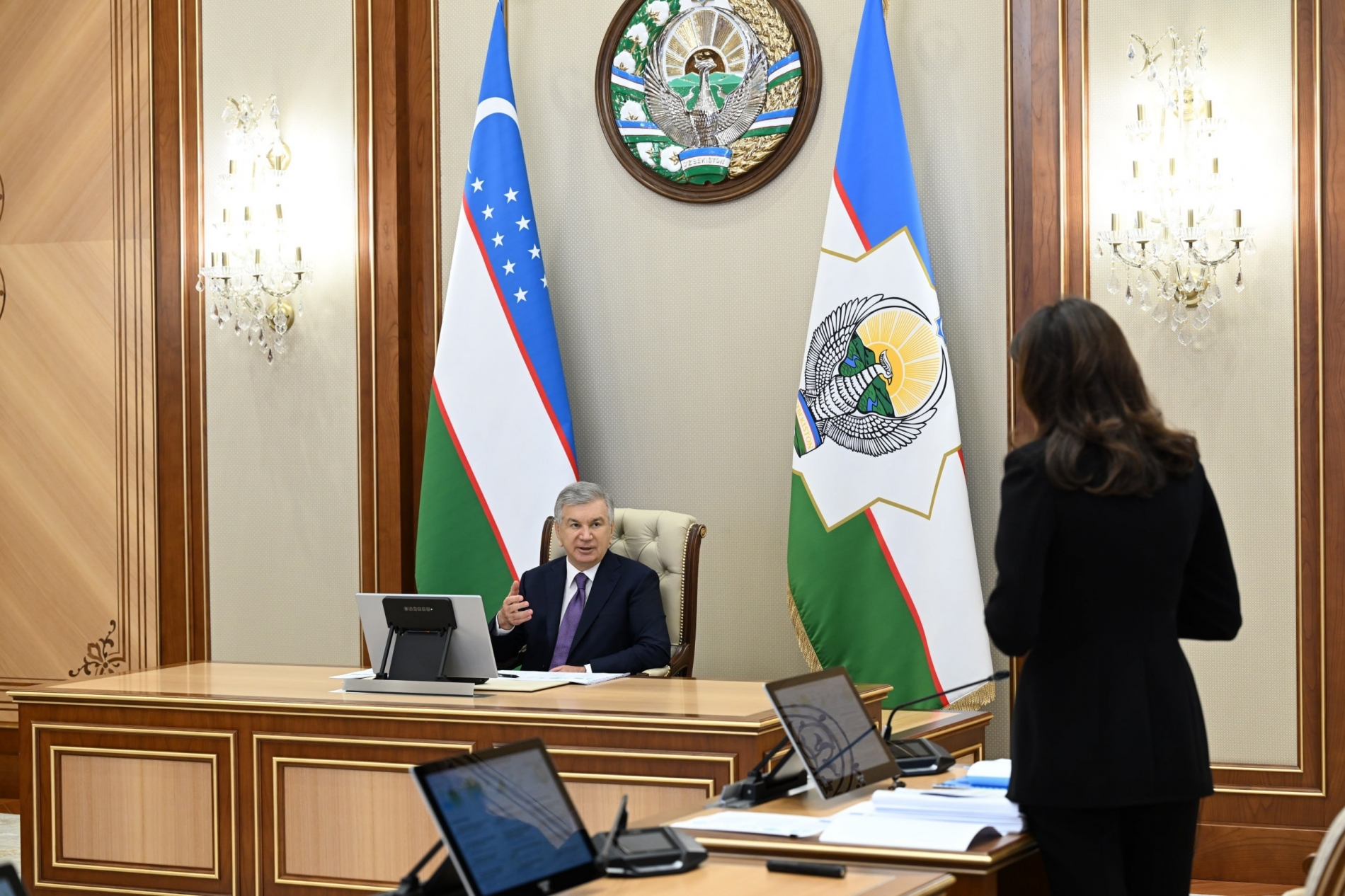

President Shavkat Mirziyoyev reviewed measures for the further development of the healthcare system, enhancement of the quality of medical services, and expansion of private sector participation.
Consistent efforts are underway nationwide to provide the population with high-quality, modern medical care, improve management efficiency in the sector, make broader use of private sector potential, and elevate regional healthcare infrastructure to a new level.
The role of the private sector in advancing the industry, along with the opportunities available in this area, was also examined.
As noted, while 3,200 private clinics were operating in the country in 2016, their number is expected to reach 8,700 by the end of 2026. The range of medical specialties has expanded from 39 to 116, while bed capacity has increased from 16,000 to 57,000. The private sector’s share of total bed capacity is expected to rise from 12 to 31 percent.
At the same time, certain problems in the sector were also pointed out. It was noted that the existing mechanisms for quality control of medical services are not sufficiently effective, licensing requirements do not fully meet modern conditions, information on the work of private clinics is not consolidated in a unified electronic system, and targeted work with investment projects is not fully established.
In this regard, new approaches to expanding private sector participation and increasing its responsibility were presented.
It was proposed to transfer all licensing functions to the Center for Licensing and Accreditation of Medical Organizations and, starting from July 1, 2026, to tighten licensing procedures by revising 14 of the 48 requirements to ensure patient safety and the quality of medical care. This includes abolishing the practice of fully suspending multi-profile clinics and introducing restrictive measures only in the specific areas where violations are identified.
At the same time, oversight of compliance by medical organizations with licensing requirements and conditions will be strengthened, and remote monitoring will be introduced through an electronic information system.
It was also proposed to allow non-state medical organizations to provide state-funded medical services within the scope of their existing licenses, to grant accredited private institutions the right to carry out transplantation activities, and, starting from 2028, for the Insurance Fund to cease purchasing services from non-state and republican state medical institutions that have not undergone accreditation.
It has been determined that by the end of 2030 all state medical institutions will be subject to mandatory licensing, including 55 republican institutions by April 1, 2027, 413 regional institutions by the end of 2028, and more than 3,000 district and city-level organizations by the end of 2030.
Economic support measures to stimulate private healthcare were discussed.
Specifically, it is planned to allocate 200 billion soums in preferential credit resources for the establishment of new clinics in remote regions, provide loans of up to 10 billion soums per project for up to 10 years, and introduce a mechanism to compensate up to 50 percent of the base interest rate. In addition, it was proposed to set a social tax rate of 1 percent for foreign specialists and to grant customs exemptions for medical equipment and components.
A new system for attracting investment into the sector was also reviewed.
Plans include establishing an Agency for the Development of the Medical and Pharmaceutical Industry, providing investors with consulting and practical support on a single-window basis, and introducing a mechanism for the professional structuring and promotion of public-private partnership projects.
The agency will be granted the authority to attract direct investment into the sector, facilitate the implementation of investment and public-private partnership projects, and oversee the transfer of state medical organizations into professional management. In addition, a joint-stock company, Health Invest, will be established under the agency to support the development, coordination, and implementation of investment projects.
It was also proposed to develop, jointly with foreign experts, a strategy for the transformation of state medical institutions based on corporate governance principles. A revision of urban planning and sanitary regulations governing the design, construction, and commissioning of medical organizations is also planned, with the involvement of foreign consultants, to bring them into line with international standards.
The Head of State approved the proposed measures and issued relevant instructions to the responsible officials.


When using materials reference to www.president.uz is required
© 2026 Official web-site of the President of Uzbekistan
All rights reserved
Attention! If you find an error in the text, select it and press Ctrl + Enter to notify the administration
