

08.04.2026
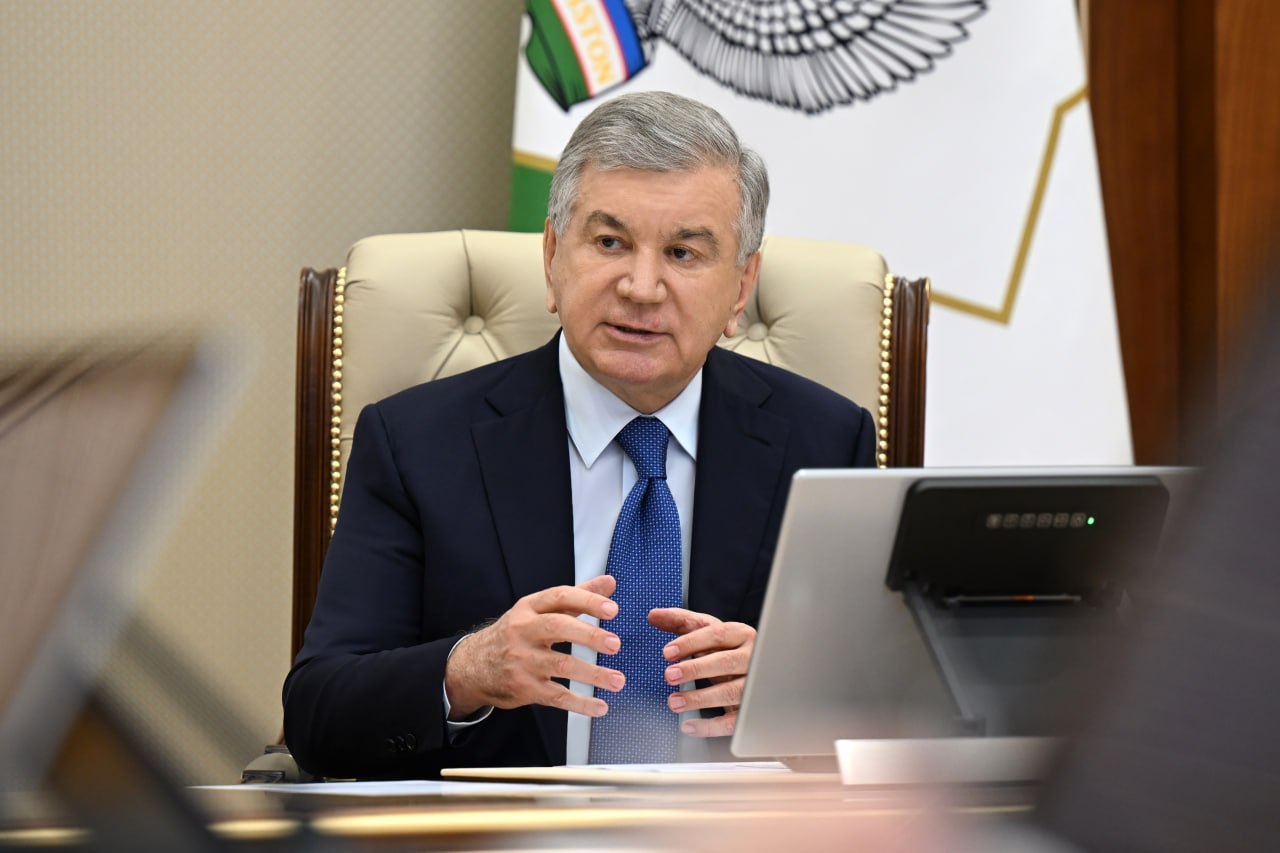
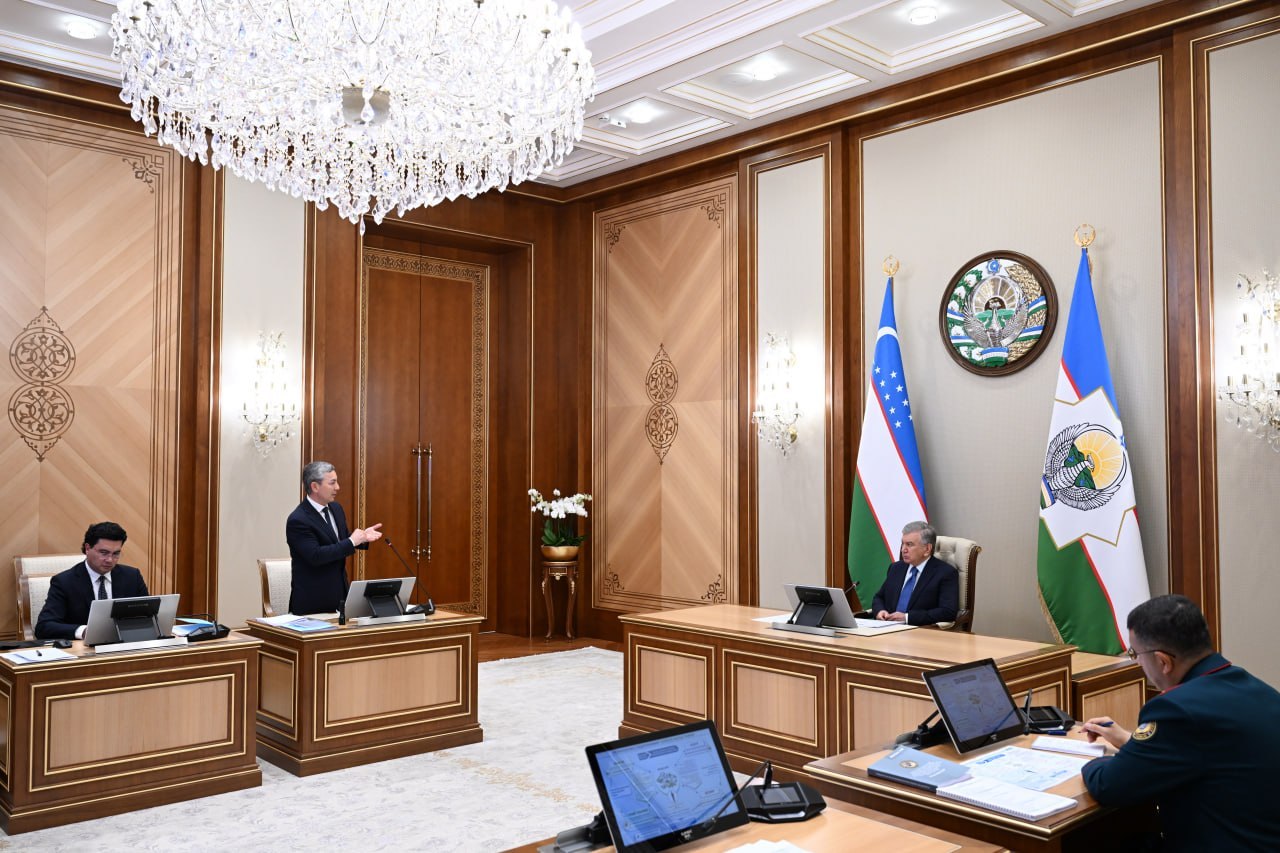
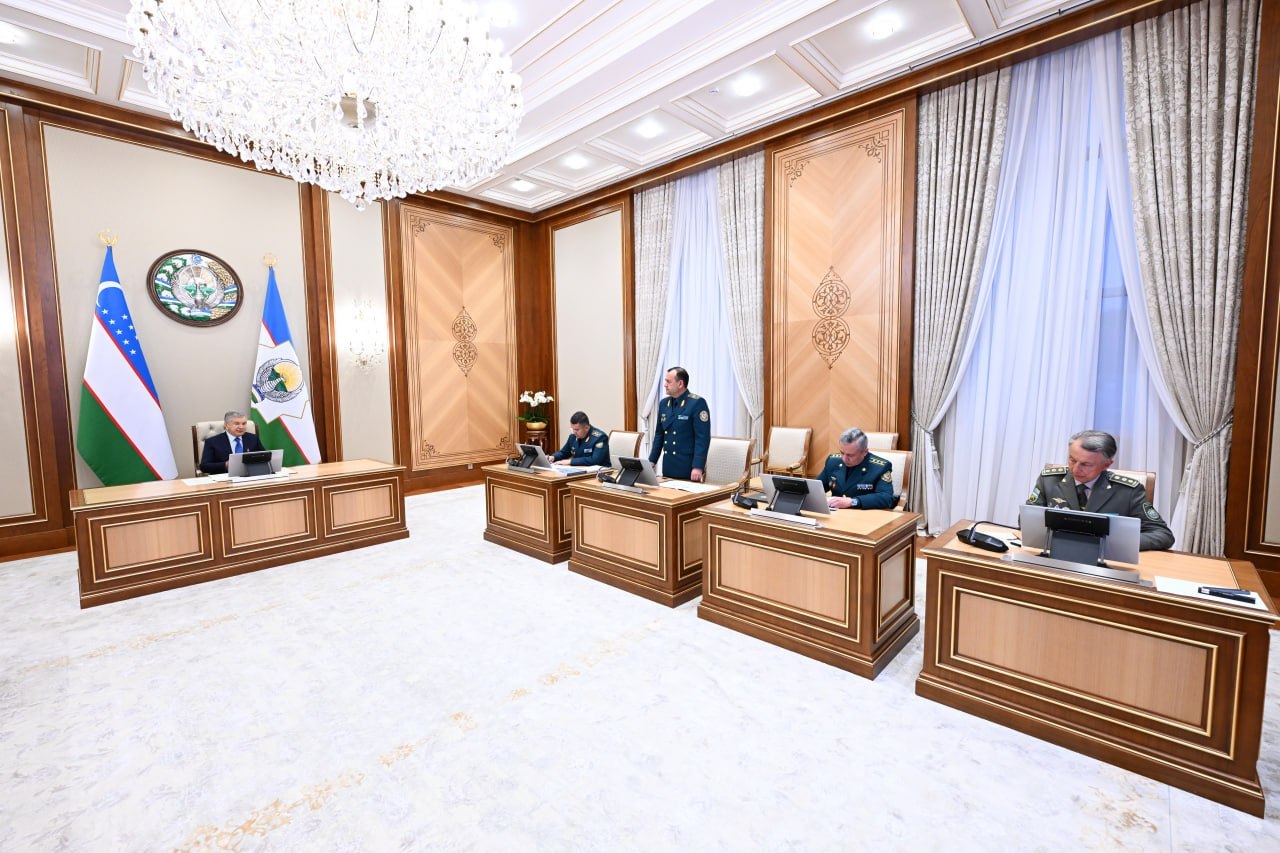
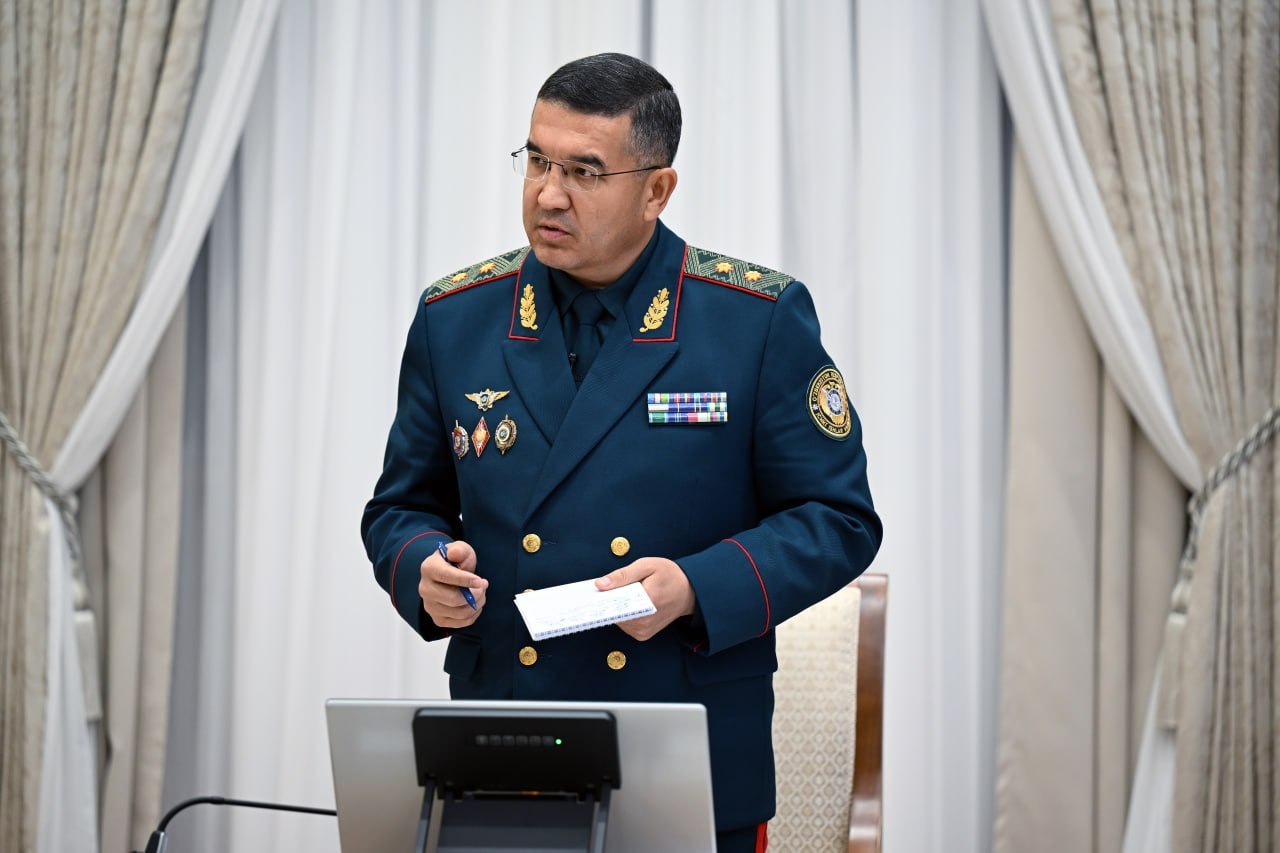
President Shavkat Mirziyoyev was briefed on proposals to further improve the public security system.
The Head of State emphasized that, in these turbulent times, ensuring public security remains one of the country’s top priorities. To this end, the Public Security Department of the Ministry of Internal Affairs has been established, bringing together crime prevention, public order, road safety, and probation services. The department currently accounts for about 30 percent of the Ministry’s personnel.
It was noted that effective management of such a large and complex system requires new approaches. In this regard, proposals were considered during the presentation to introduce modern management mechanisms and digital oversight, as well as to revise performance indicators based on the principle of transitioning from a punitive system to a service-oriented one.
Special attention was paid to the organization of preventive work in mahallas. Today, more than 10,000 prevention inspectors serve in nearly 9,000 mahallas across the country. Last year, they reviewed more than 2.5 million citizen appeals, and materials related to over 470,000 cases were referred to court. At the same time, it was noted that the excessive number of managerial layers above inspectors has resulted in insufficient attention to security issues in mahallas and crime prevention.
In this regard, the need was emphasized to relieve prevention inspectors of non-core functions and to build a system in which they are fully focused on their direct duties, ensuring security in mahallas, preventing offenses, and carrying out targeted work to address community issues.
In particular, it was proposed to introduce daily online briefings, organize operations through the My Inspector electronic system, establish digital data exchange with forensic institutions, provide continuous online training and professional development for inspectors without interrupting their service, and form groups of public assistants to support security in mahallas.
Issues related to granting inspectors appropriate authority to make decisions on certain categories of offenses and introducing a system of administrative warnings for minor violations were also considered.
It was noted that this would enable inspectors to work directly in mahallas, improve the effectiveness of their work, and strengthen engagement with the community.
The need to establish a system of continuous preventive work was also emphasized. To achievethis, it is necessary to create a holistic mechanism that unites at the mahalla level prevention inspectors, school psychologist-inspectors, and women's affairs inspectors working in mahallas, which will serve for the early prevention of issuesamong youth, women, and in families. To this end, a prevention information system will be introduced that will ensure real-time data exchange and access to a single database.
Special attention was paid to personnel training. It was noted that the training system for public security officers is being revised based on a targeted dual education model closely linked to practice. In particular, a new training model was proposed in cooperation between the Academy of the Ministry of Internal Affairs and the University of Public Security, covering prevention and probation inspectors, as well as patrol, traffic police, and security service personnel. Under this model, theory and practice will be combined as follows: 80/20 in the first year, 60/40 in the second, and 50/50 in the third.
The educational process will develop practical competencies such as carrying out social prevention, performing procedural actions, making correctdecisions in complex situations, tactical training, psychological resilience, communication skills, and unit management.
Cadets and students will be appointed as trainees and granted the authority to handle cases and make decisions independently, under the supervision and responsibility of a mentor. For five years after graduation, their performance will be monitored and their qualifications systematically enhanced.
The President approved the proposed measures and instructed relevant officials to develop concrete solutions aimed at ensuring public security, preventing offenses in mahallas, responding promptly to citizens’ appeals, and improving the effectiveness of personnel.


When using materials reference to www.president.uz is required
© 2026 Official web-site of the President of Uzbekistan
All rights reserved
Attention! If you find an error in the text, select it and press Ctrl + Enter to notify the administration
