

28.09.2026
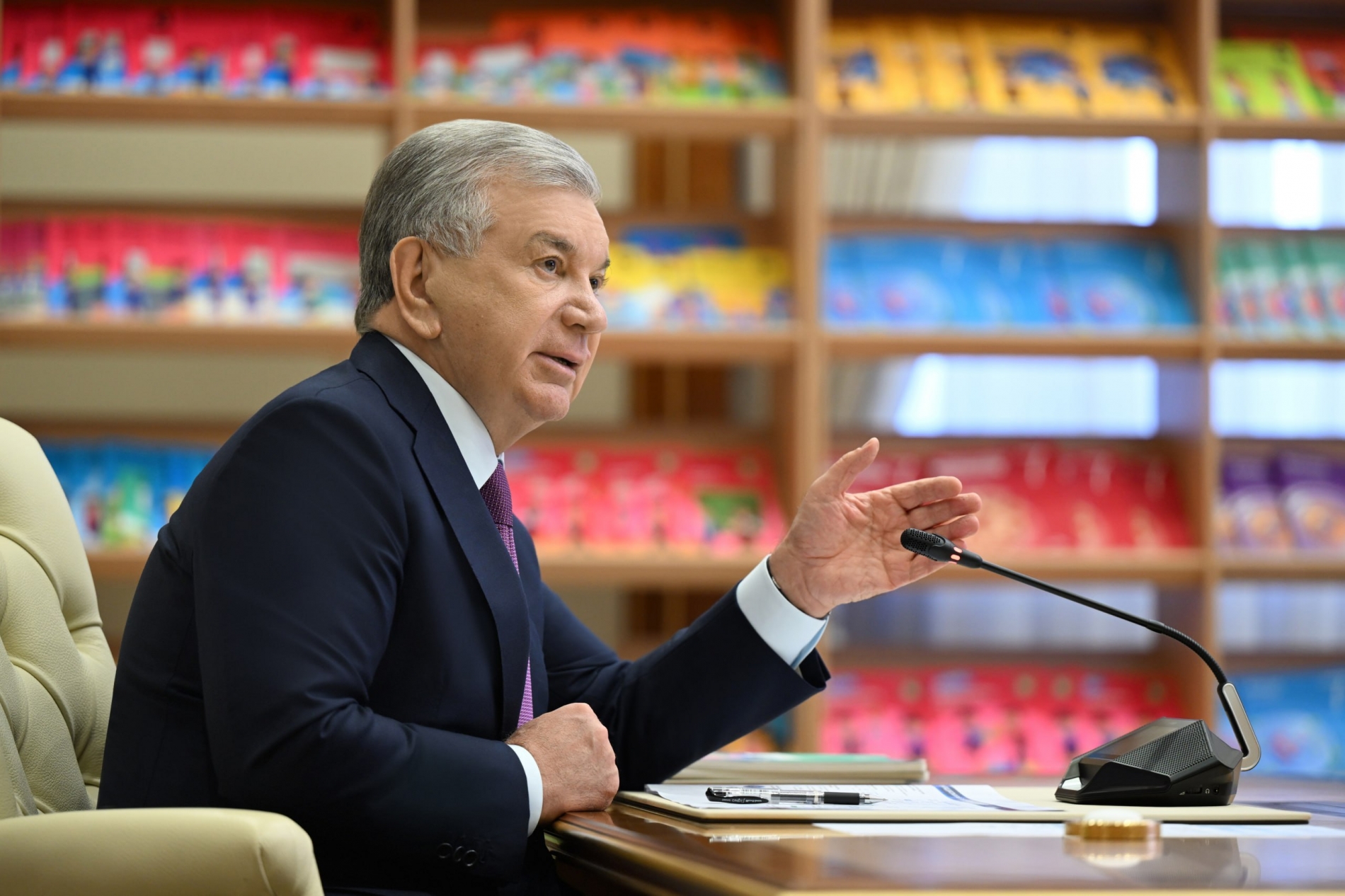
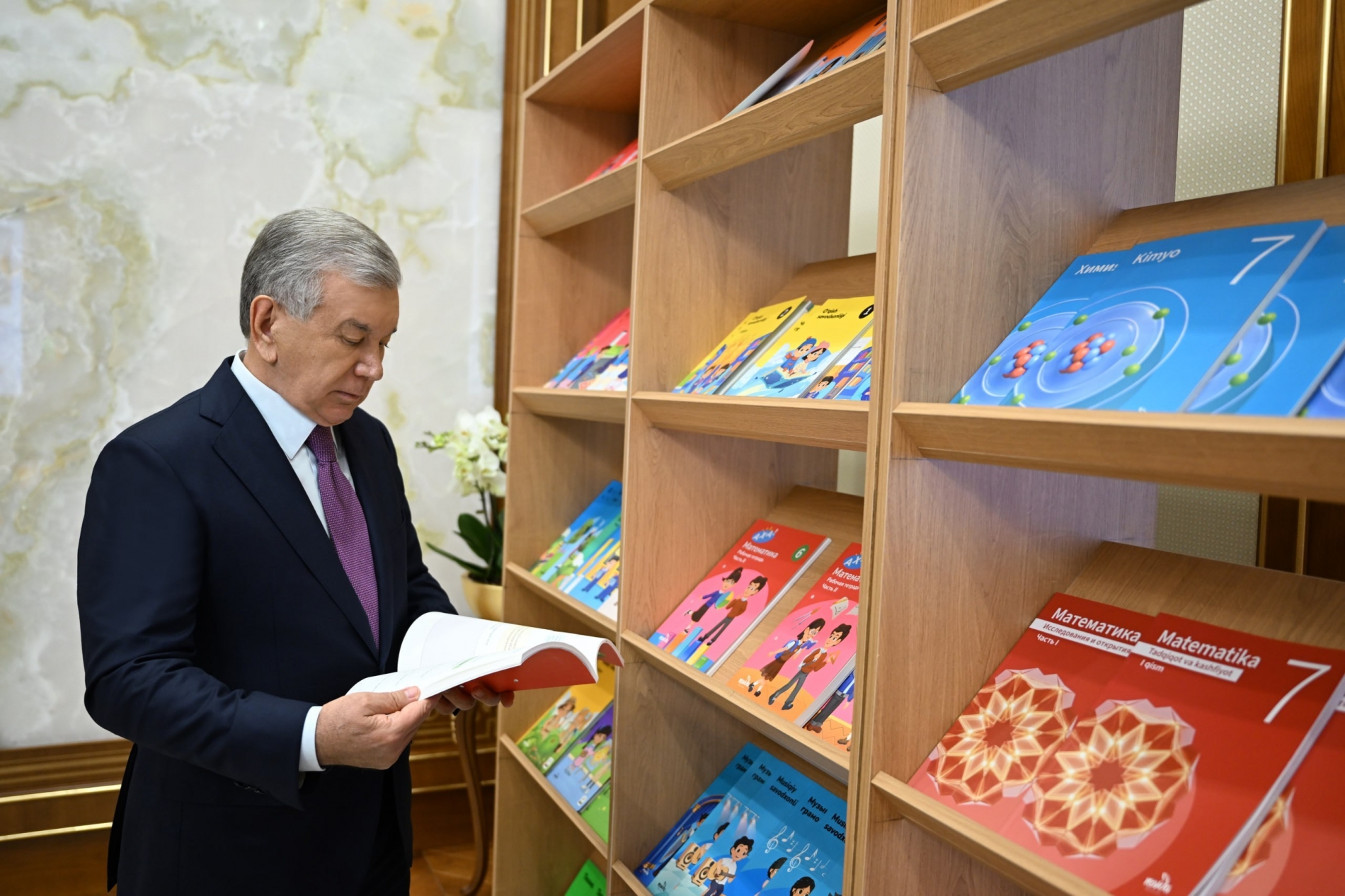
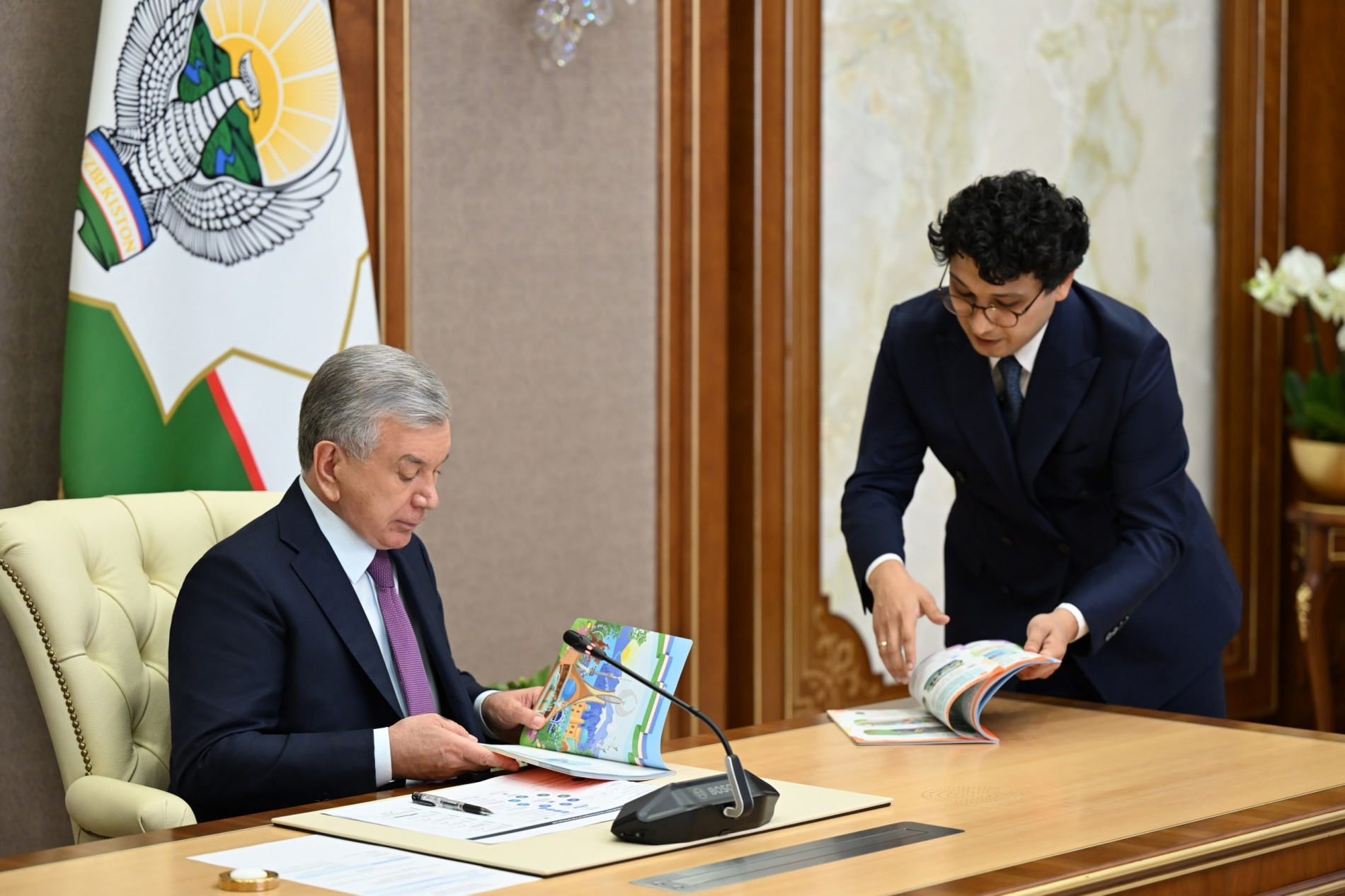
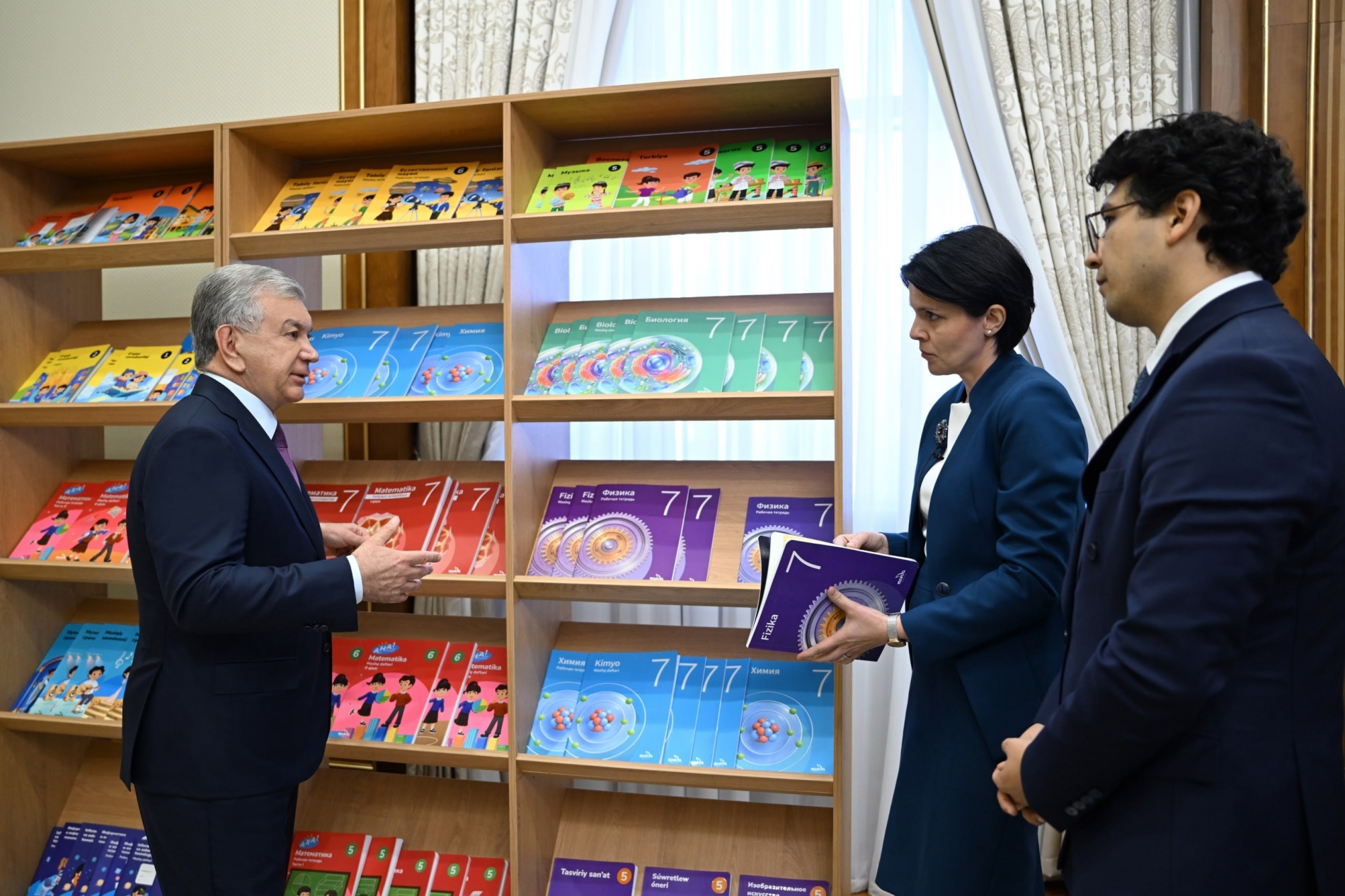
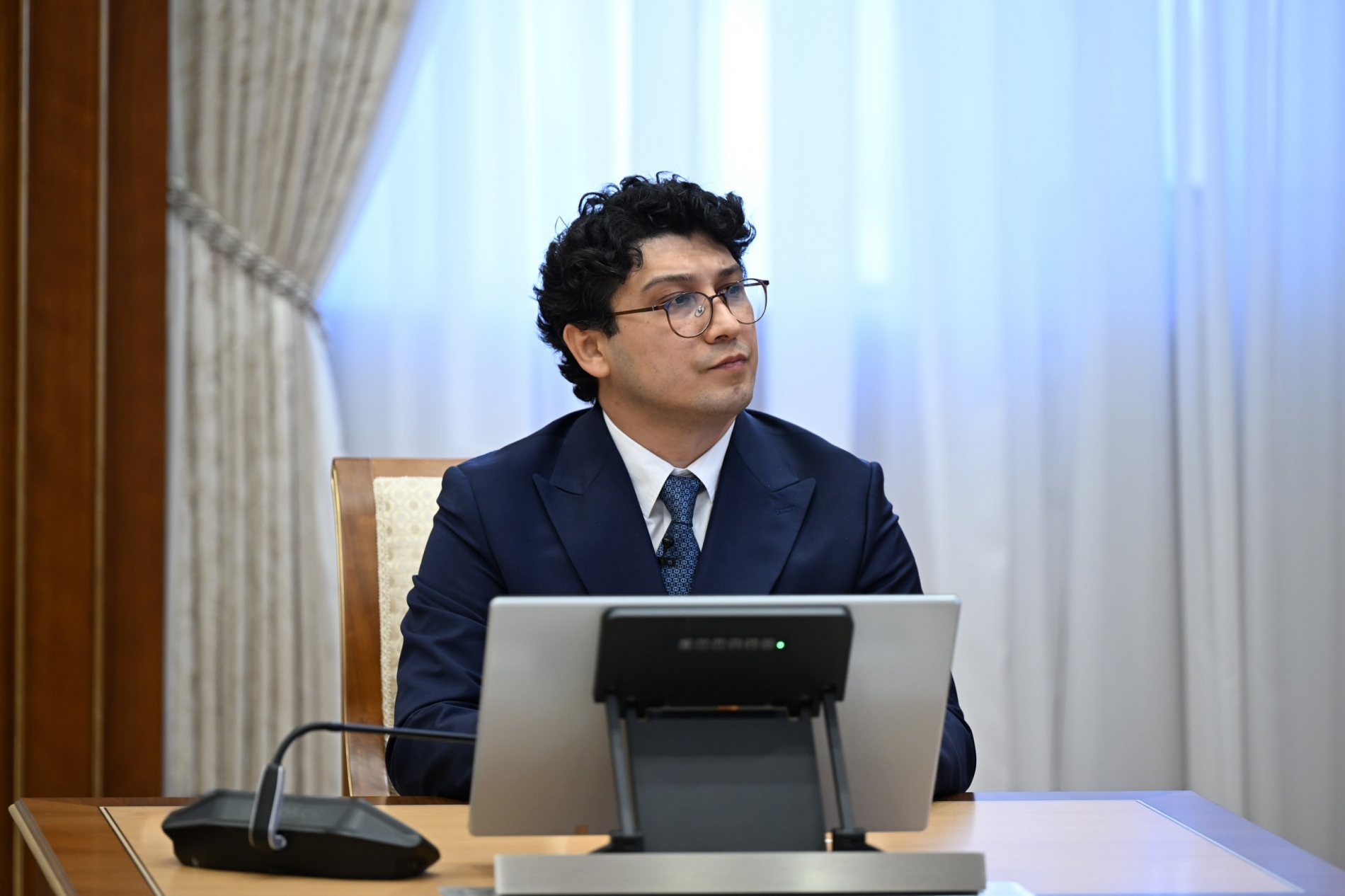

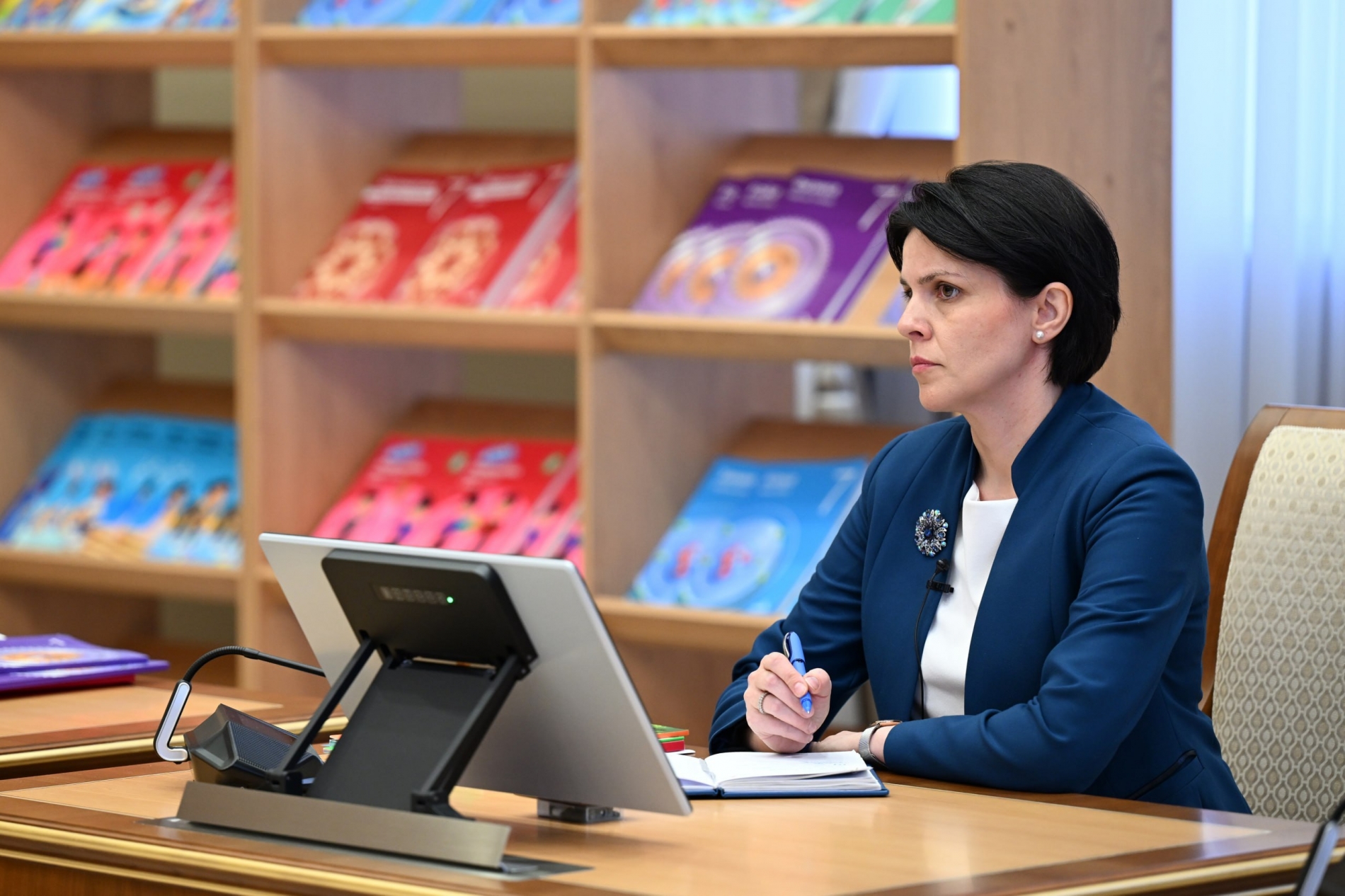
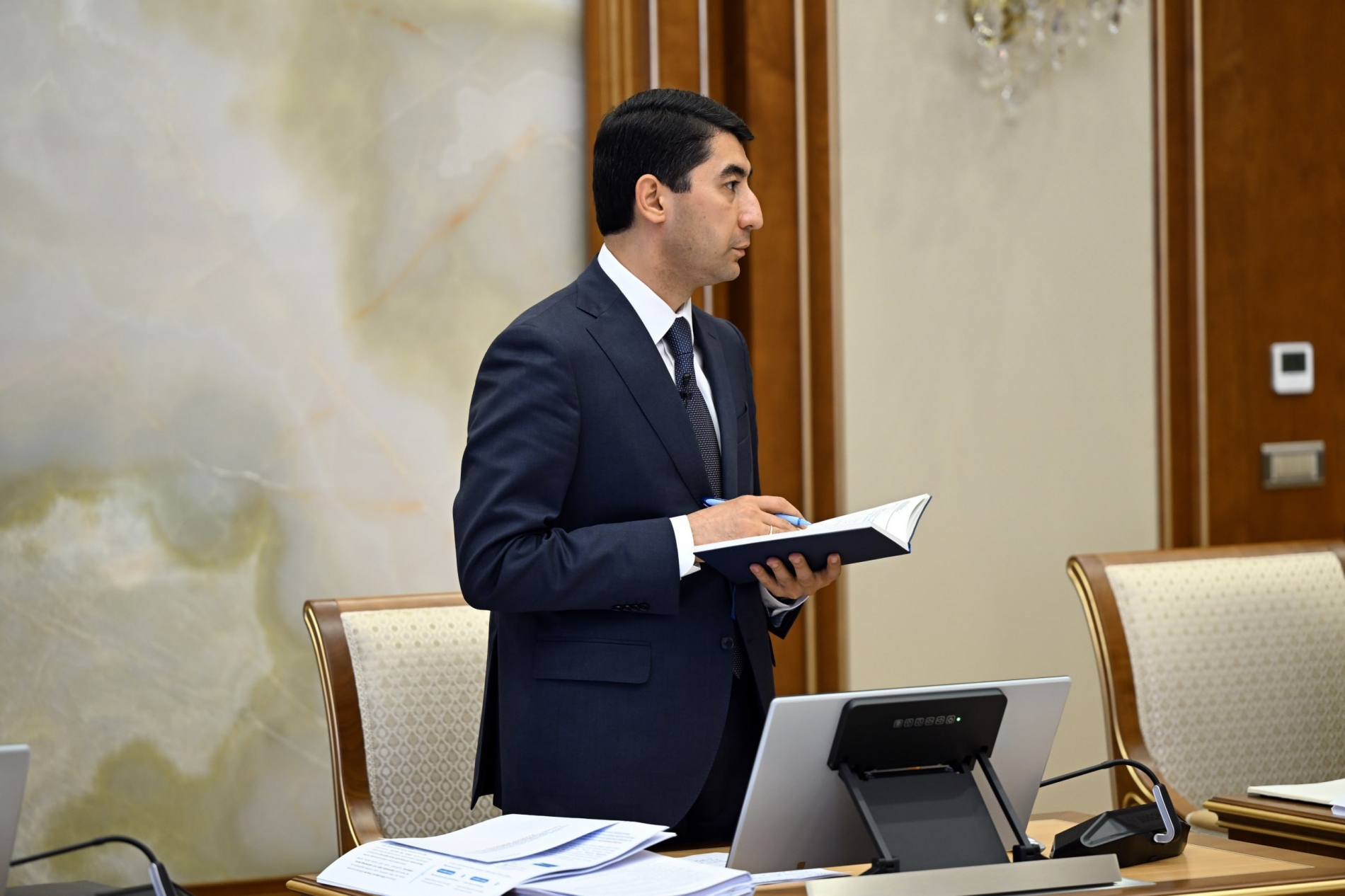
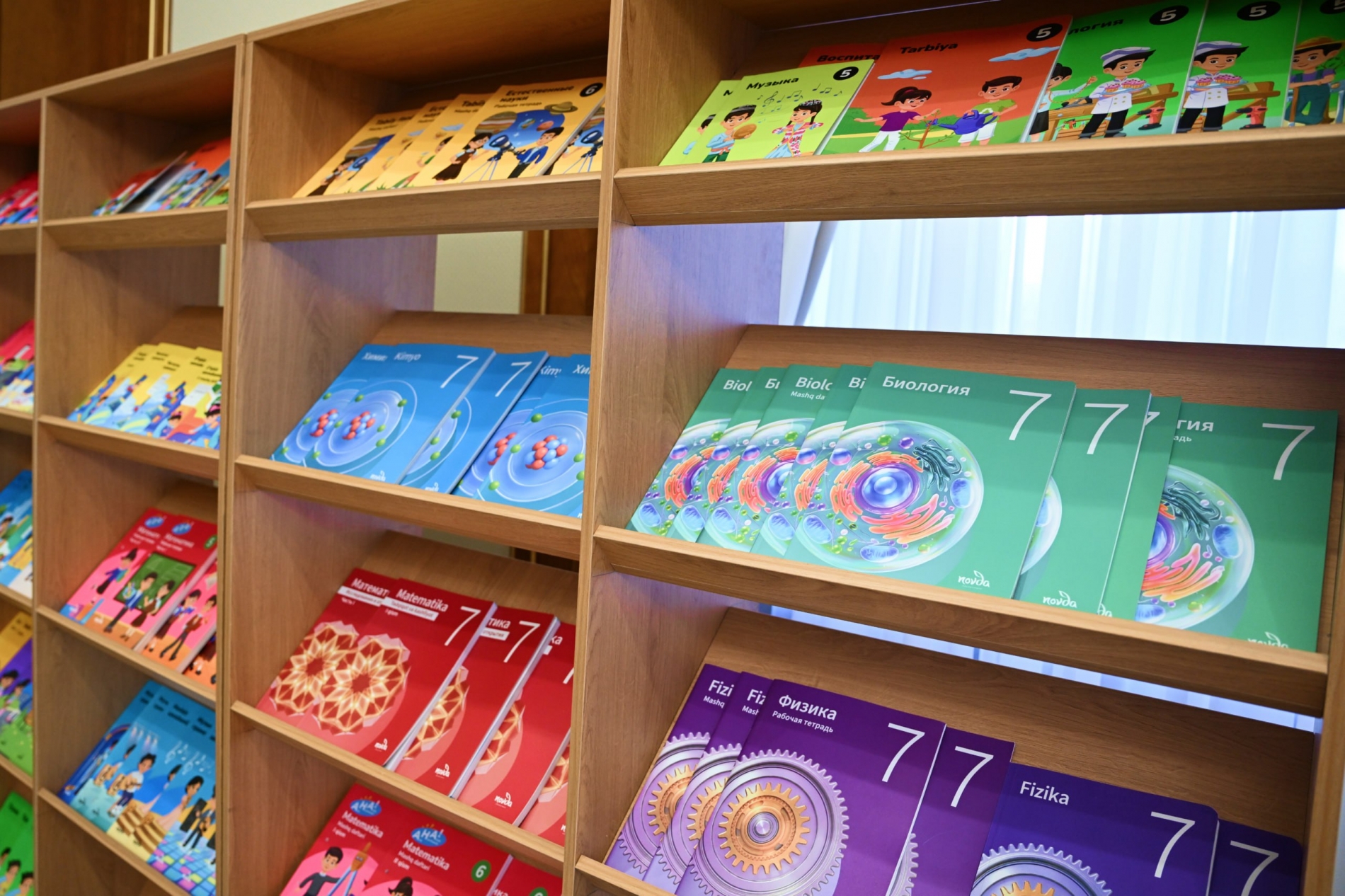
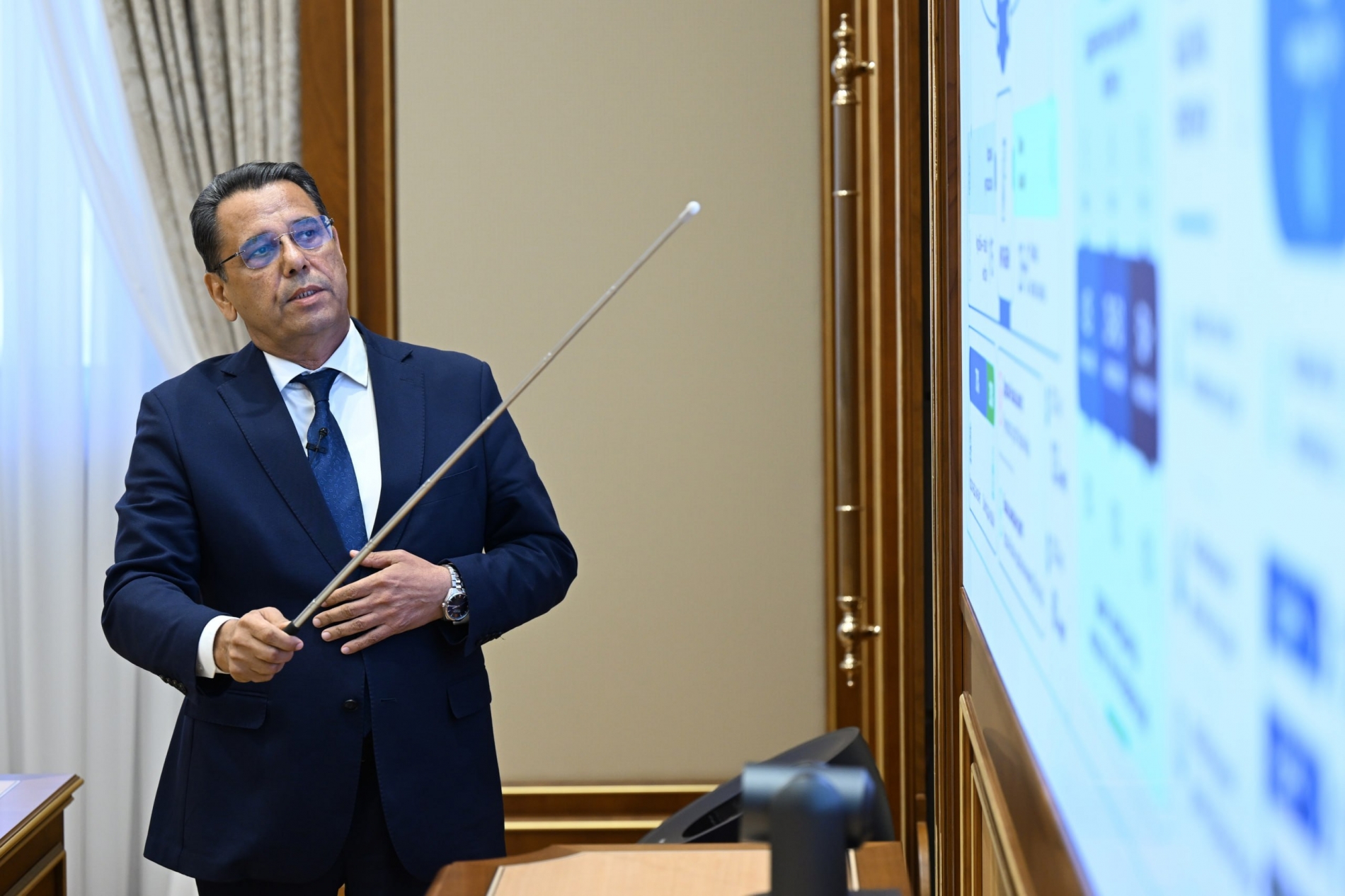
President Shavkat Mirziyoyev reviewed presentations on the introduction of new-generation textbooks in schools, the expansion of dual education through cooperation between universities and enterprises, and the work of the Liaoning Normal University branch in Uzbekistan.
Graduates of New Uzbekistan schools must possess not only knowledge but also modern skills, be proficient in information technologies, think creatively and independently, and be able to make decisions. Efforts to update textbooks and educational content are aimed precisely at achieving these goals.
The presentation reviewed the results of an analysis of previous textbooks. In particular, 1,257 errors were identified in 260 textbooks, while 464 translation errors were found in 51 textbooks. Some materials were not age-appropriate, while certain topics were presented in ways that were difficult for students to understand. The emphasis on rote learning did not sufficiently develop children’s ability to analyze information independently and apply acquired knowledge in practice.
Therefore, the development of new educational materials has drawn on advanced international experience. Primary school textbooks were certified by the Finnish Educational Alliance, while mathematics, physics, chemistry, and biology textbooks for grades 5-7 were developed based on Singaporean textbooks.
Under the new approach, the knowledge and skills students are expected to acquire by the end of each grade are clearly defined. State educational standards, curricula, textbooks, and assessment are designed as interconnected components. Particular attention is paid to ensuring that topics are age-appropriate, presented in a logical sequence, and enable students to apply acquired knowledge in practice. By 2027, a total of 1,342 titles of textbooks and teaching materials are planned to be developed.
The new textbooks include tasks designed to develop critical thinking, communication, collaboration, and creativity. The goal is to teach children not simply to memorize ready-made answers, but to ask questions, analyze information, express and support their views, and work together to find solutions.
Career guidance also has a prominent place in the new educational materials. In this area, 255 lessons have been developed to help children better understand their interests and make informed career choices in the future. Textbook characters convey values such as friendship, responsibility, courage, and respect through images and situations that children can easily understand.
More than 300 topics on environmental literacy aim to develop skills in responsible water use, nature conservation, and the rational use of natural resources. As part of financial literacy, children learn how to manage money, save, and plan purchases. Digital literacy covers the responsible and safe use of the internet.
During the presentation, particular attention was paid to the fact that the effectiveness of the new textbooks directly depends on teachers’ readiness to use them. Therefore, the changes encompass the entire educational process – from preschool education and teacher training to professional development and student assessment.
In particular, under the “Ilk Qadam” (“First Step”) program, children begin developing their speech, thinking, communication, and creative abilities even before primary school. Pedagogical universities have begun training a new generation of teachers. Special training modules have been developed to help educators organize lessons that foster critical thinking, creativity, communication, and teamwork.
Professional development programs have also been aligned with the content of the new textbooks. As part of this work, 110,000 primary school teachers underwent professional development. In cooperation with Singaporean partners, 121 master trainers and 739 mentor teachers were trained, who, in turn, trained 90,000 educators.
The educational process will make broader use of methods designed to increase students’ interest in subjects, encourage them to independently search for and study information, explain material, apply acquired knowledge, and assess results. Video lessons, animations, audio materials, and interactive tasks will also provide teachers with additional opportunities.
Mechanisms for assessing and encouraging teachers’ professional growth have also been improved. Professional certification assesses both teachers’ subject knowledge and their pedagogical skills.
Furthermore, an assessment system aligned with the new educational content and based on specific criteria has been introduced in 5,000 schools. It assesses not only students’ ability to memorize information, but also their understanding and ability to apply acquired knowledge in practice.
The Head of State emphasized that developing textbooks alone is not enough. Effective integration of the new content into the educational process requires comprehensive improvements in teacher training, teaching methods, and the assessment system. The President gave relevant instructions to the responsible officials.
Economic sectors need specialists who understand work processes and possess modern skills. To this end, proposals have been developed to combine university students’ theoretical studies with practical training at enterprises.
Three months ago, ten university rectors were sent to Germany to study its experience in dual education. In Germany, 70-75 percent of graduates continue working at the enterprises where they completed their practical training after graduation. During the presentation, the participants discussed ways to adapt the German experience to Uzbekistan’s conditions and strengthen the role of enterprises in training specialists.
Relevant experience is also taking shape in Uzbekistan. In particular, 11,000 students in the Andijan region are undergoing practical training at 2,000 enterprises as part of dual education. The Head of State instructed all university rectors to visit the Andijan region and study this experience on site. The rectors who visited Germany will be assigned to regional hokims and will prepare a concrete strategy and scientifically grounded proposals for organizing dual education.
The President set the goal of providing dual education to at least 80 percent of third- and fourth-year students, or 185,000 young people. Initially, officials proposed prioritizing areas such as engineering, manufacturing, construction, and agriculture. In the 2027/2028 academic year, plans call for involving 75 universities and 3,500 enterprises in this form of education and combining study with practical training for 12,500 students.
Under the new model, cooperation between universities, enterprises, and students will be based on contracts. Curricula will be adapted to the needs of enterprises, and each student will be assigned a qualified mentor at the workplace. Practical training may take place alongside studies or, depending on the specifics of the industry, during a separate period.
The presentation also covered measures to incentivize enterprises that accept students for practical training, provide appropriate learning conditions, and subsequently employ them.
In particular, officials proposed subsidizing 50 percent of students’ salaries, providing benefits on customs payments and depreciation, and granting preferences in public procurement to enterprises that accept more than 25 students for practical training. The President noted that such support should be provided through a digital platform to minimize human involvement.
The participants also considered a proposal to hold a competition to encourage enterprises and universities that most effectively organize dual education. The main indicators will include student coverage, salary levels, academic performance, and graduate employment.
The presentation also covered the establishment and operation of a branch of China’s Liaoning Normal University in Uzbekistan. The initiative aims to train specialists proficient in Chinese and expand Chinese language teaching at universities, colleges, and schools. Liaoning Normal University is one of China’s leading pedagogical universities, with particularly strong expertise in psychology, Chinese philology, and education.
The branch, located in Khiva, plans to offer programs in international Chinese language education, international business, tourism management, and artificial intelligence. Instruction will be provided in Uzbek, Chinese, and English, and graduates will receive diplomas recognized in both Uzbekistan and China. The academic process is scheduled to begin in the 2026/2027 academic year.
The presentation also addressed the development of academic cooperation between the branch and local universities, student and faculty exchanges, and joint scientific research. In addition, plans call for improving college programs based on China’s experience and organizing advanced training courses in artificial intelligence for computer science teachers.
The Head of State emphasized the need to align dual education with the specific staffing needs of enterprises in the regions, while ensuring high-quality education and a well-organized student admissions process at the Liaoning Normal University branch. The President issued relevant instructions to the responsible officials.


When using materials reference to www.president.uz is required
© 2026 Official web-site of the President of Uzbekistan
All rights reserved
Attention! If you find an error in the text, select it and press Ctrl + Enter to notify the administration
