

03.09.2026
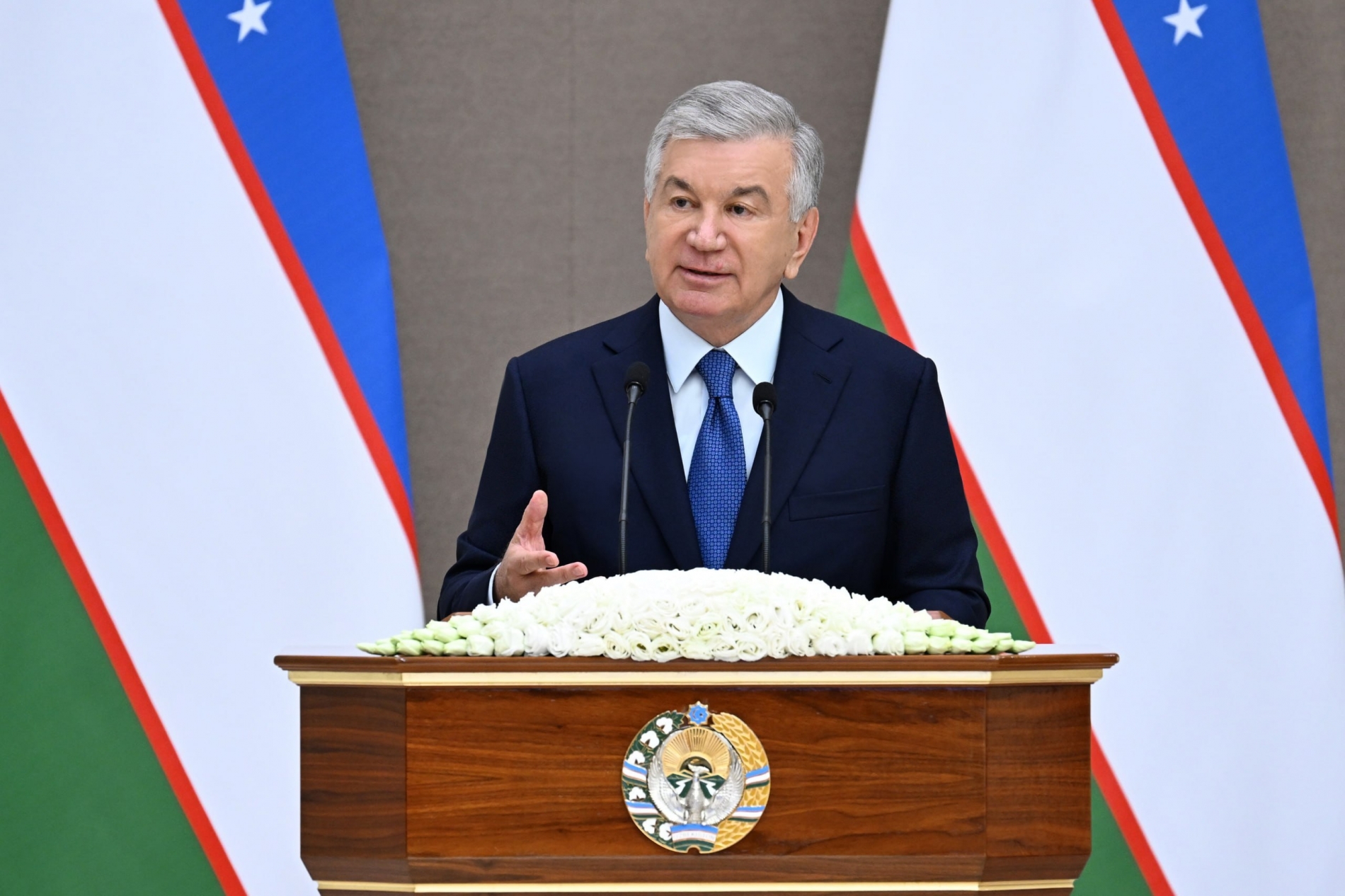
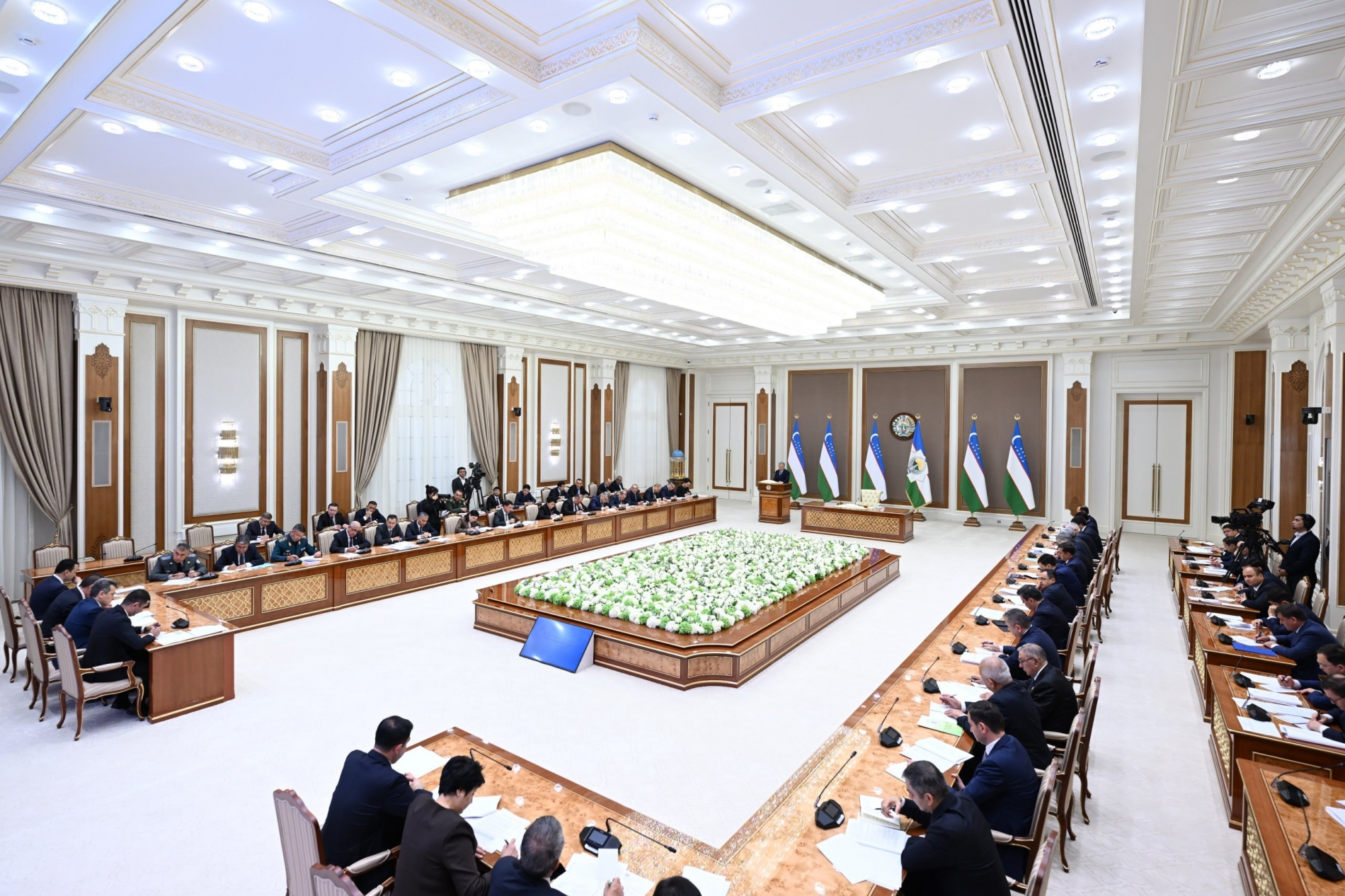
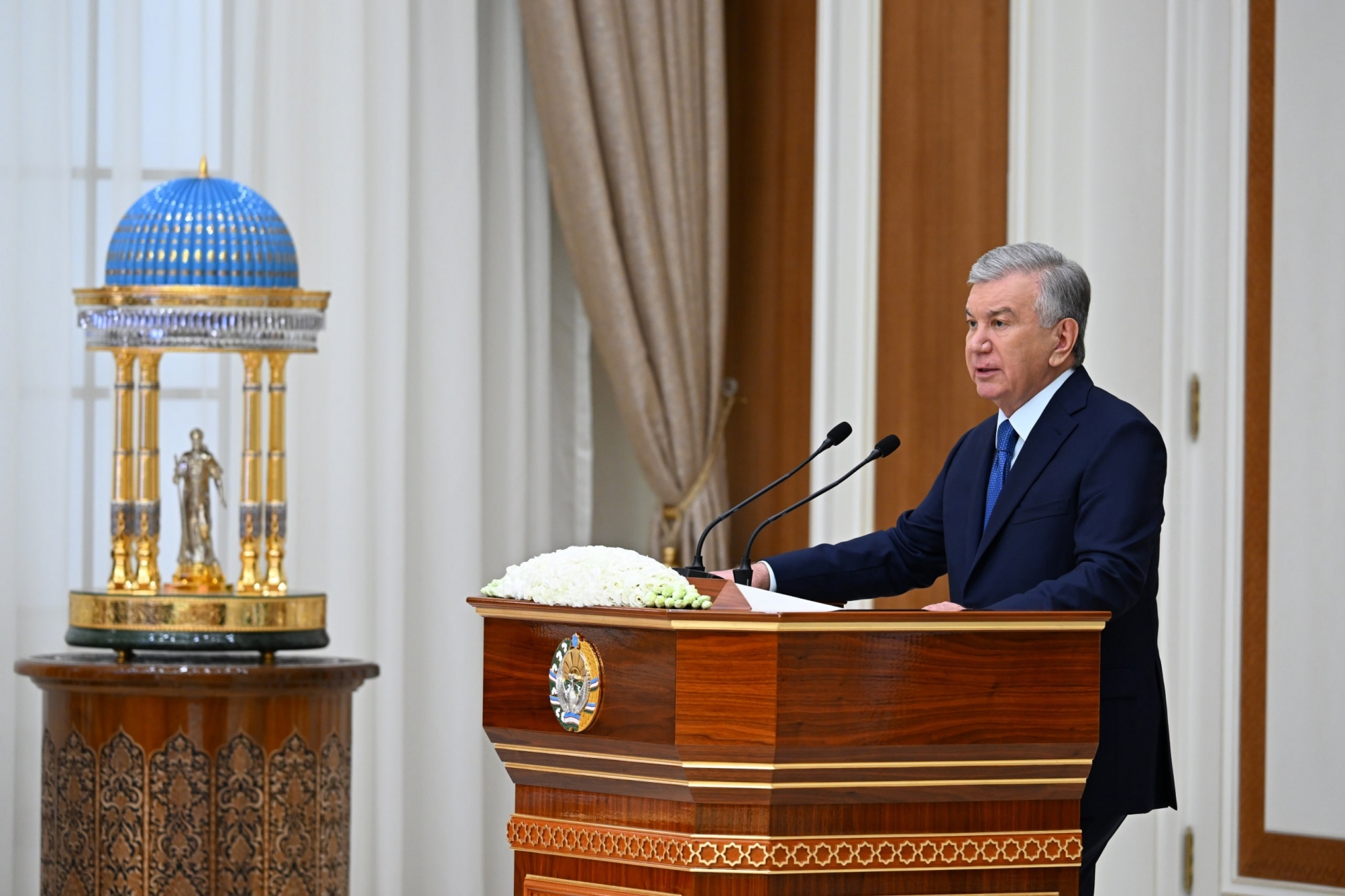
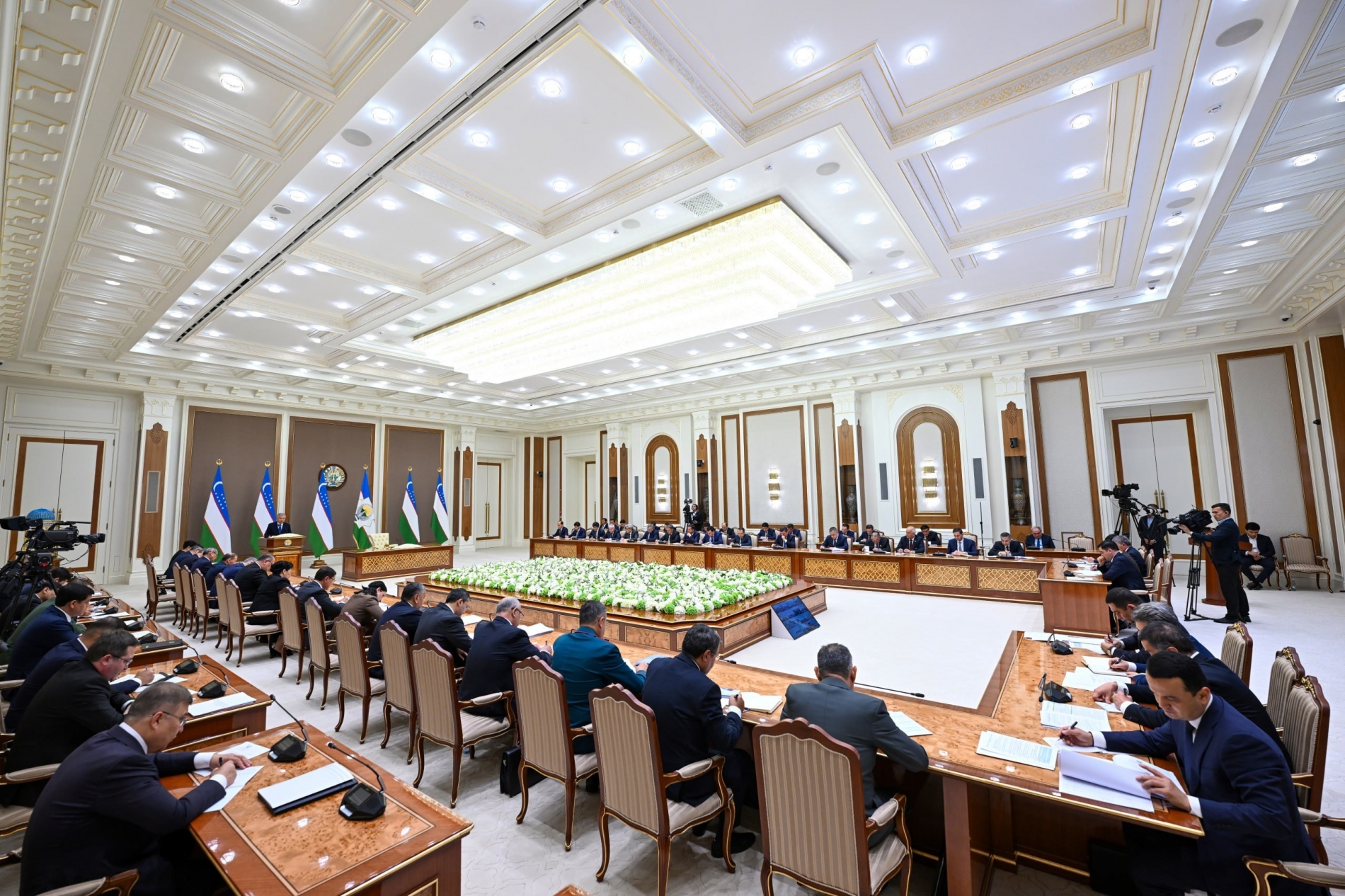
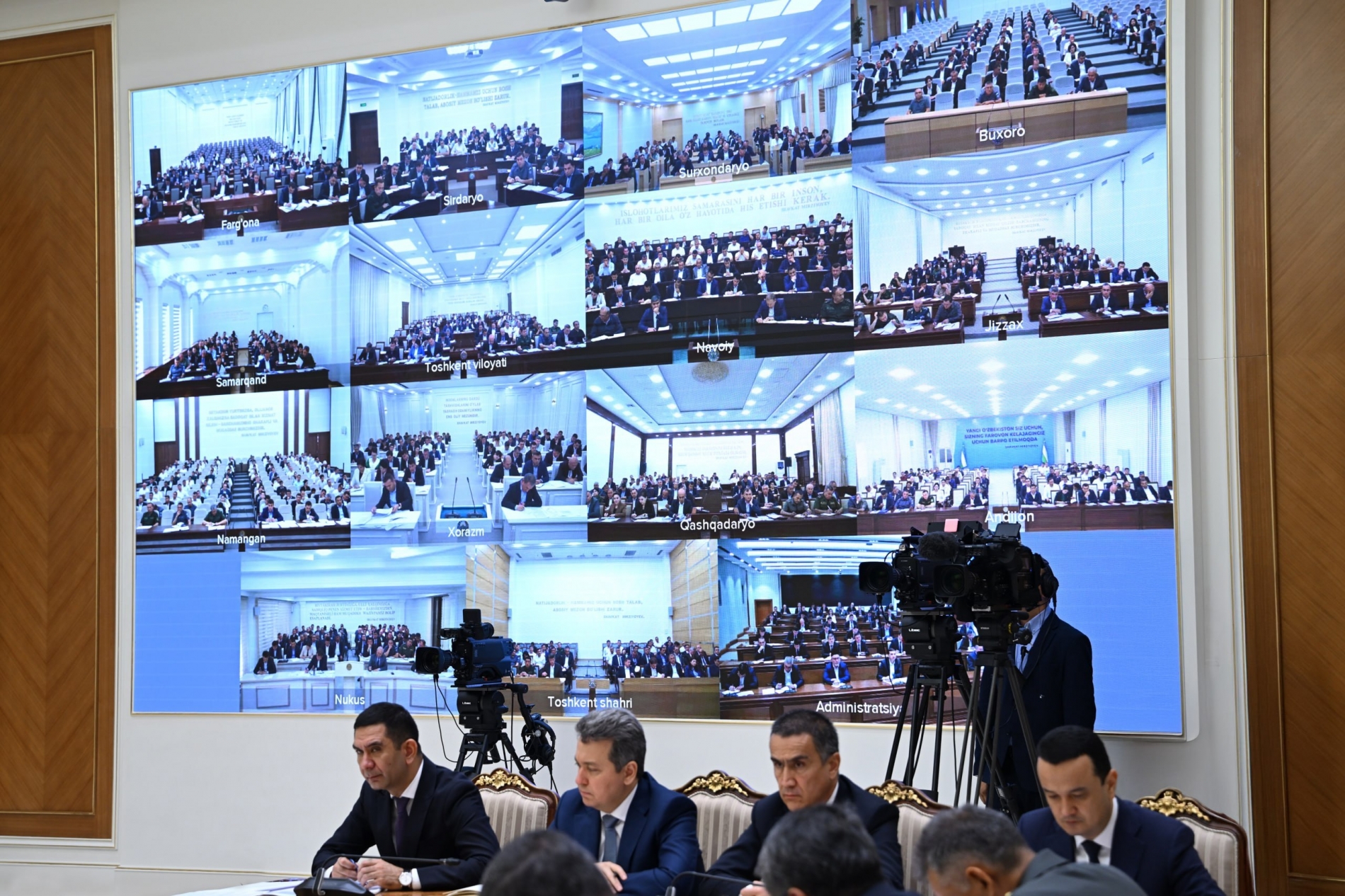
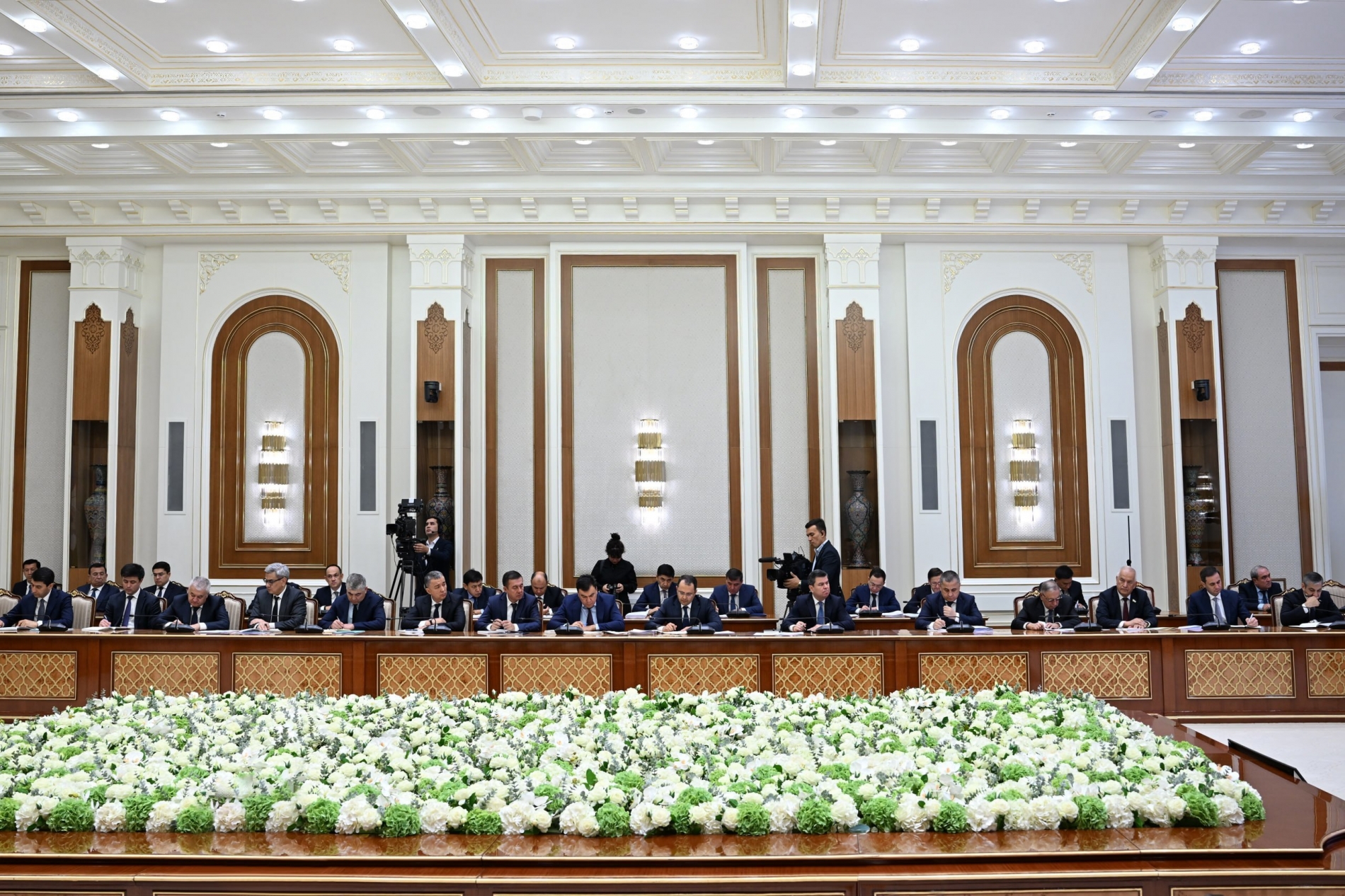
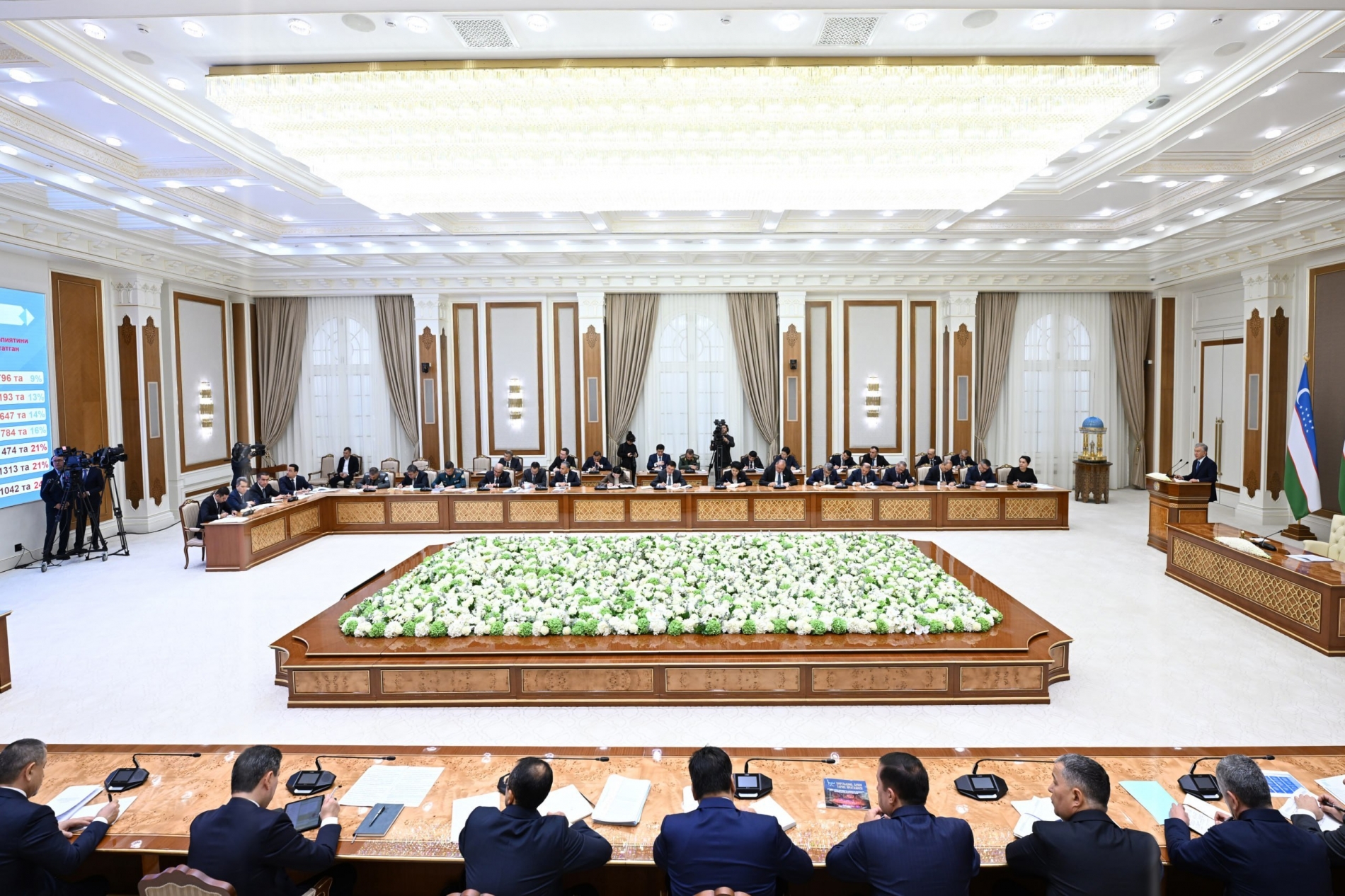
On September 3, President Shavkat Mirziyoyev chaired a meeting on taking efforts to reduce poverty and increase household incomes to a new stage.
In recent years, poverty reduction, the creation of income-generating opportunities for the population, and the expansion of economic opportunities at the mahalla level have become key priorities of state policy. To this end, regions have been granted broad powers, financial resources, and infrastructure opportunities, while a system of targeted work with each family has been established.
As a result, the poverty rate, which stood at 5.8 percent at the beginning of the year, has fallen to 3.9 percent. The number of people in need has decreased from 2.2 million to 1.5 million. In 49 districts and 3,429 mahallas where work has been effectively organized, unemployment and poverty are being eliminated.
At the same time, President Shavkat Mirziyoyev noted that results vary across regions.
Over the past three years, 314 trillion soums have been allocated to entrepreneurial projects in mahallas. Analysis has shown significant differences across regions in the effectiveness of poverty reduction, despite the same amount of allocated funds.
For example, the Sharof Rashidov and Karshi districts each received 2.3 trillion soums in credit resources. In the Sharof Rashidov district, these funds helped lift 30,000 people out of poverty, while in the Karshi district, the living conditions of 13,000 people in need improved.
In this regard, it was decided that, from now on, the allocation of credit funds alone will not be considered a final result. The effectiveness of each project will be assessed based on the number of permanent jobs created and the number of families provided with a stable source of income.
The meeting also examined factors hindering the achievement of results on the ground. In particular, President Shavkat Mirziyoyev noted that not all khokim assistants and mahalla bankers have the necessary skills to develop business projects, select appropriate financial instruments, and work with entrepreneurs from the initial idea through to business launch.
Over the past year, 15,000 of the 86,000 small enterprises established in the regions have ceased operations. In addition, 62,000 citizens who received bank loans but were unable to develop their businesses as expected are now facing difficulties with repayment.
In this regard, the President emphasized the need to provide the population and entrepreneurs not only with financial resources, but also with comprehensive solutions covering sales, technology, professional skills, business planning, and the development of sales chains.
Studies conducted in the Khorezm region were cited as an example. Following the President's instructions, leaders of the economic complex spent two weeks studying the living conditions of 81,000 low-income people, representing 19,000 families in the region. The study identified 12,000 unemployed and 10,000 low-income citizens.
Currently, entrepreneurs in the Khorezm region are seeking 4,000 workers in construction, 3,000 in the service sector, and 2,500 in industry. It was noted that by linking existing vacancies with vocational training opportunities, the incomes of 10,000 to 15,000 people from low-income families could be increased.
It was also noted that 48,000 children are being raised in the low-income families covered by the study, and that it is important to guide them toward acquiring professional and modern skills. Youth leaders, khokim assistants, and women’s affairs activists were tasked with organizing additional clubs at schools, technical colleges, and training centers for children from such families.
In the Khorezm region, more than 10,000 women from low-income families are engaged in childcare. In this regard, the need was emphasized to expand opportunities for them to earn an income from home or within the mahalla, as well as to create conditions for their return to the labor market by enrolling their children in preschool education.
President Shavkat Mirziyoyev emphasized that the analysis and conclusions drawn in the Khorezm region apply to all regions. It was decided to introduce a fundamentally new system of poverty reduction.
From now on, special headquarters headed by khokims will be established in every region and district. Banks, employment agencies, and other organizations of the economic complex will work together with these headquarters to address employment and household income issues directly on the ground.
Regional, district, and city khokims, together with the economic complex, will devote three days a week directly to poverty reduction and employment issues.
A key feature of the new system will be the transfer of a significant share of financial resources and decision-making authority to the district level. District headquarters will be given the authority to manage concessional credit resources for the development of family and youth entrepreneurship.
Currently, 1.37 trillion soums is available for family entrepreneurship and 450 billion soums for youth entrepreneurship. Taking into account local conditions and the specifics of each project, district headquarters will be able to determine who receives a loan and in what amount, set the loan term, and tailor the repayment schedule to the specifics of the business.
Lending, leasing, factoring, guarantees, insurance, working capital financing, and other financial instruments will be applied according to the specifics of each entrepreneurial project. It was emphasized that, given the different income-generation timelines in agriculture, trade, services, and other sectors, financing terms should be set accordingly.
Additional opportunities will be created for cooperation-based projects. An entrepreneur who establishes cooperation with 10 families will be able to receive an unsecured loan of up to 500 million soums, while cooperation with 100 families will allow access to a loan of up to 5 billion soums.
Initiatives proposed by citizens in need with overdue credit histories will also be assessed on an individual basis. Concessional financing will be made available for promising projects.
A total of 240 billion soums from the Poverty Reduction Fund, 100 billion soums from the Employment Fund, and 760 billion soums allocated under the three "notebooks" will be placed at the disposal of district headquarters. Another 300 billion soums from the Entrepreneurship Development Company, earmarked for compensation payments through the end of the year, will also be directed through these headquarters.
Thus, a total of 3.2 trillion soums will be transferred to the districts, with the main criterion being the achievement of concrete results from the use of these funds.
A new approach will also be introduced to ensure that financing mechanisms keep pace with rapid changes in the economy. The Ministry of Economy and Finance and the Central Bank will improve lending, subsidy, and compensation mechanisms on a quarterly basis, taking into account regional potential, business conditions, and market demand.
At the same time, special attention will be given to strengthening the capacity of khokim assistants and bankers assigned to mahallas. The performance of khokim assistants across 8,992 mahallas will be reassessed based on effectiveness and initiative.
Within two months, a specialized training center will be established with the involvement of foreign experts. Khokim assistants and mahalla bankers will receive training in project development, business model calculations, the selection of financing instruments, and working with entrepreneurs. It was also decided to send specialists who demonstrate the best results to China, Japan, and Türkiye for advanced training and to provide additional incentives for exemplary employees.
The meeting also reviewed the system for developing entrepreneurial infrastructure. From now on, districts will become direct clients for entrepreneurial infrastructure projects, with the necessary funds allocated directly to the local level. District headquarters will also be granted the authority to delegate design, construction, and quality control functions to the private sector.
Social protection mechanisms will also be improved as part of the new approach to poverty reduction. The National Agency for Social Protection was tasked with revising the criteria for including people in need in the Social Register by the end of the year.
A transition to a multidimensional assessment system is planned. The new system will take into account not only a family's income, but also chronic illnesses, disabilities, the number of children in the family, family members working abroad, and other social factors.
Although the national poverty rate has fallen to 3.9 percent, the rate among families with children under the age of three averages 6.5 percent. In this regard, a system will be introduced to enable parents caring for young children to find employment and earn a stable income from home or within the mahalla.
Working mothers will receive an allowance from the Social Insurance Fund until their child reaches the age of one. For families in need who are unable to work, the practice of providing social packages designed to create a stable source of income will continue. It was noted that a total of 300 billion soums has been allocated for this purpose this year, and nearly half of the 11,000 families that received such support have significantly increased their incomes.
Starting next year, expenses for children from families included in the Social Register, including attendance at public and private kindergartens, courses at educational centers, public transport fares, and accommodation in higher education dormitories, will be covered through vouchers. Each voucher will be issued for 12 months and will remain valid until its expiration, even if the family is removed from the Social Register.
At the meeting, regional leaders were tasked with securing permanent employment for 350,000 people, increasing the incomes of another 1 million people, and lifting 230,000 families out of poverty by the end of the year.
President Shavkat Mirziyoyev instructed officials to develop specific mechanisms and an action plan for each area and to designate responsible officials down to the mahalla level. Specific guidelines will also be developed for employees working directly with the public, drawing on the approaches of countries with extensive practical experience in poverty reduction, including China.
Under the new system, primary responsibility and resources will be transferred to the local level. The priority will be to turn every opportunity within the mahalla into a job and a source of income, while working individually with each family in need, taking into account their circumstances and potential.
At the conclusion of the meeting, reports from responsible officials and regional leaders were heard, and relevant instructions were issued to ensure the systematic and effective implementation of the tasks outlined.


When using materials reference to www.president.uz is required
© 2026 Official web-site of the President of Uzbekistan
All rights reserved
Attention! If you find an error in the text, select it and press Ctrl + Enter to notify the administration
