

03.08.2026
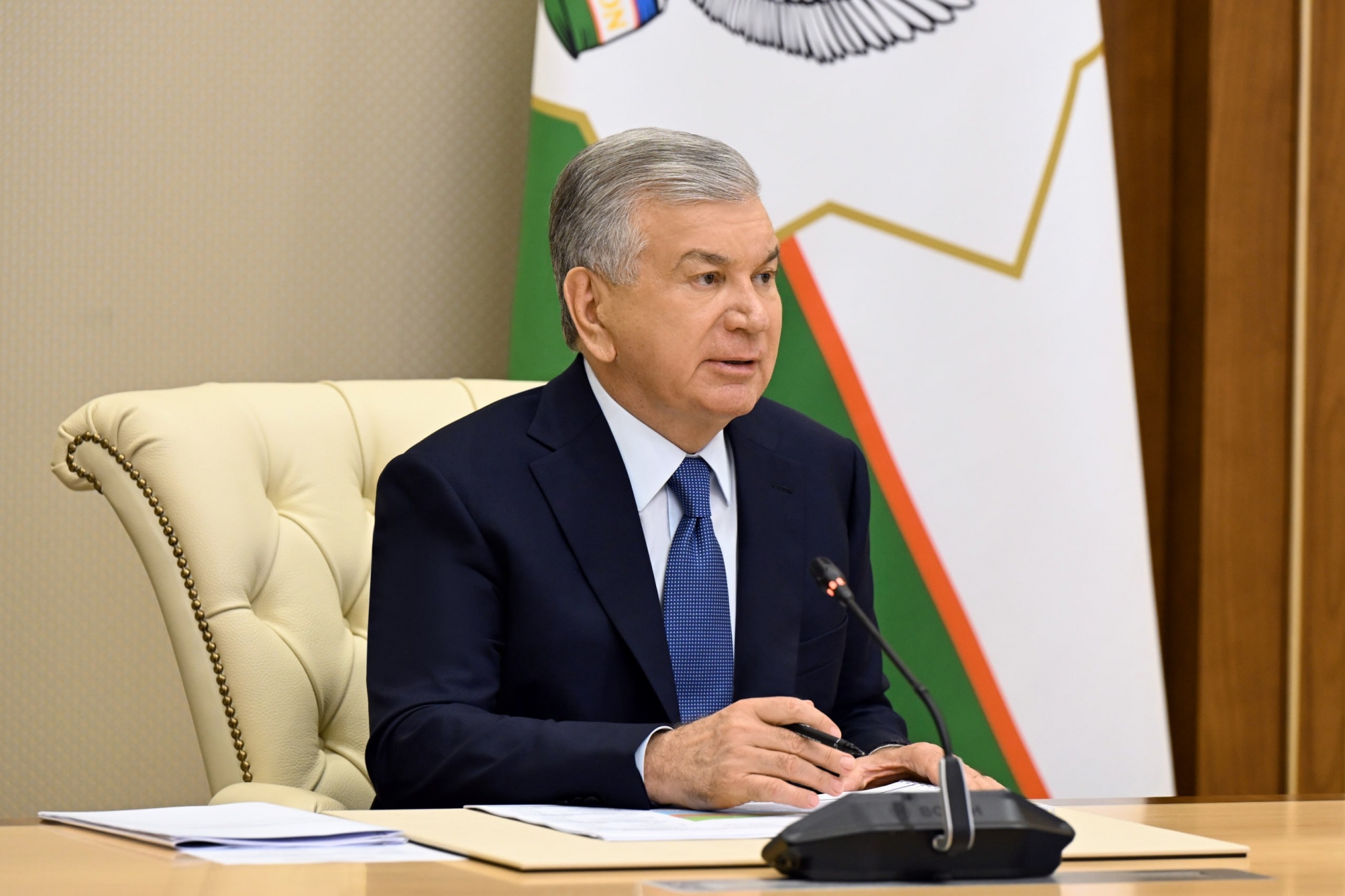
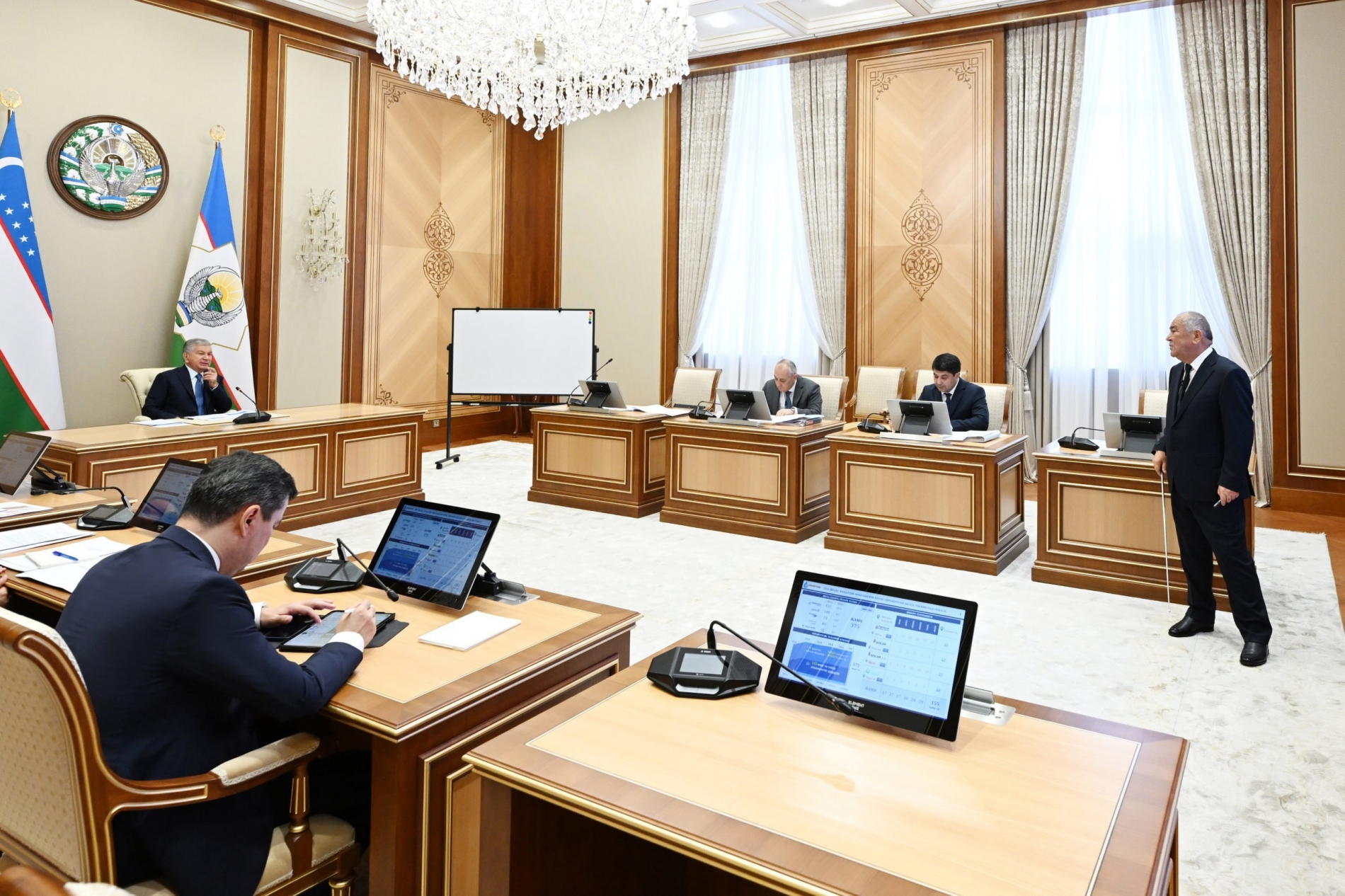
President Shavkat Mirziyoyev was presented with a report on the performance of Uzbekneftegaz JSC during the first half of the year, along with its priorities for the remainder of the year.
During the first half of the year, the company produced 11.5 billion cubic meters of natural gas. Production of oil, diesel fuel, aviation kerosene, and liquefied petroleum gas also exceeded projected targets.
By the end of the year, the company plans to produce 1.1 million tons of automotive gasoline, 983,000 tons of diesel fuel, 310,000 tons of aviation kerosene, 606,000 tons of liquefied petroleum gas, and approximately 1.18 million tons of synthetic products.
Amid heightened geopolitical tensions, the number of flights along routes through Central Asia is increasing. In particular, the number of flights to Uzbekistan has increased compared to 2025. Demand for aviation kerosene is projected to reach 375,000 tons during the second half of the year, representing a 27 percent increase over the corresponding period last year. Most of this demand will be met by domestic oil refineries.
At the same time, in response to export restrictions on petroleum products imposed by certain partner countries, alternative import channels for aviation kerosene have been established, including supplies from Georgia, Iraq, and other countries.
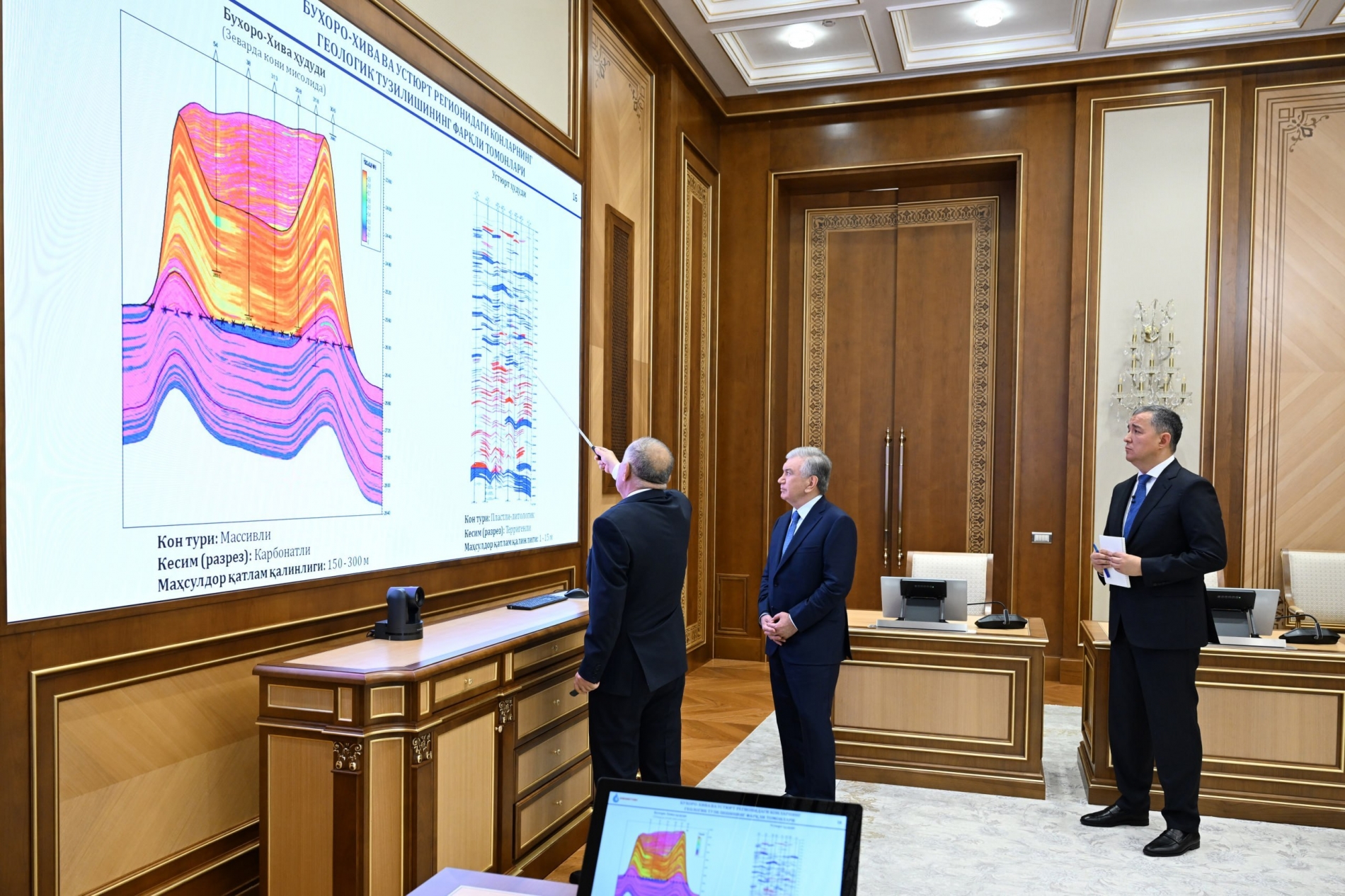
To improve the quality and scope of geological exploration, information was also presented on the modernization plans of Uzbekgeofizika JSC. The plans provide for an investment of $38.8 million to upgrade geophysical well-logging equipment and procure a modern field complex for 3D seismic surveys.
The President was also briefed on the ongoing work, in cooperation with foreign companies, particularly the American company Schlumberger, to establish a seismic data processing center. The center will be equipped with a modern supercomputing system, new software, and artificial intelligence technologies for seismic research.
These measures will increase the annual area covered by 3D seismic surveys from 1,800 to 5,000 square kilometers and extend the exploration depth from 4,500 to 8,000 meters. The number of prospective geological structures prepared for exploration will increase from 19 to 30.
Measures have been identified to introduce high-temperature- and high-pressure-resistant materials, ultrasonic well-logging technologies, real-time geophysical monitoring, and horizontal drilling in well construction. These measures will improve well reliability under complex geological conditions, ensure more efficient development of productive reservoirs, and increase well flow rates.
The Head of State instructed officials to take measures to ensure a stable and uninterrupted supply of petroleum products to the population and sectors of the economy.
In addition, tasks were set to accelerate the technological modernization of the industry's enterprises, improve energy efficiency, reduce production costs, and ensure strict oversight of the implementation of the planned measures.


When using materials reference to www.president.uz is required
© 2026 Official web-site of the President of Uzbekistan
All rights reserved
Attention! If you find an error in the text, select it and press Ctrl + Enter to notify the administration
