

21.07.2026
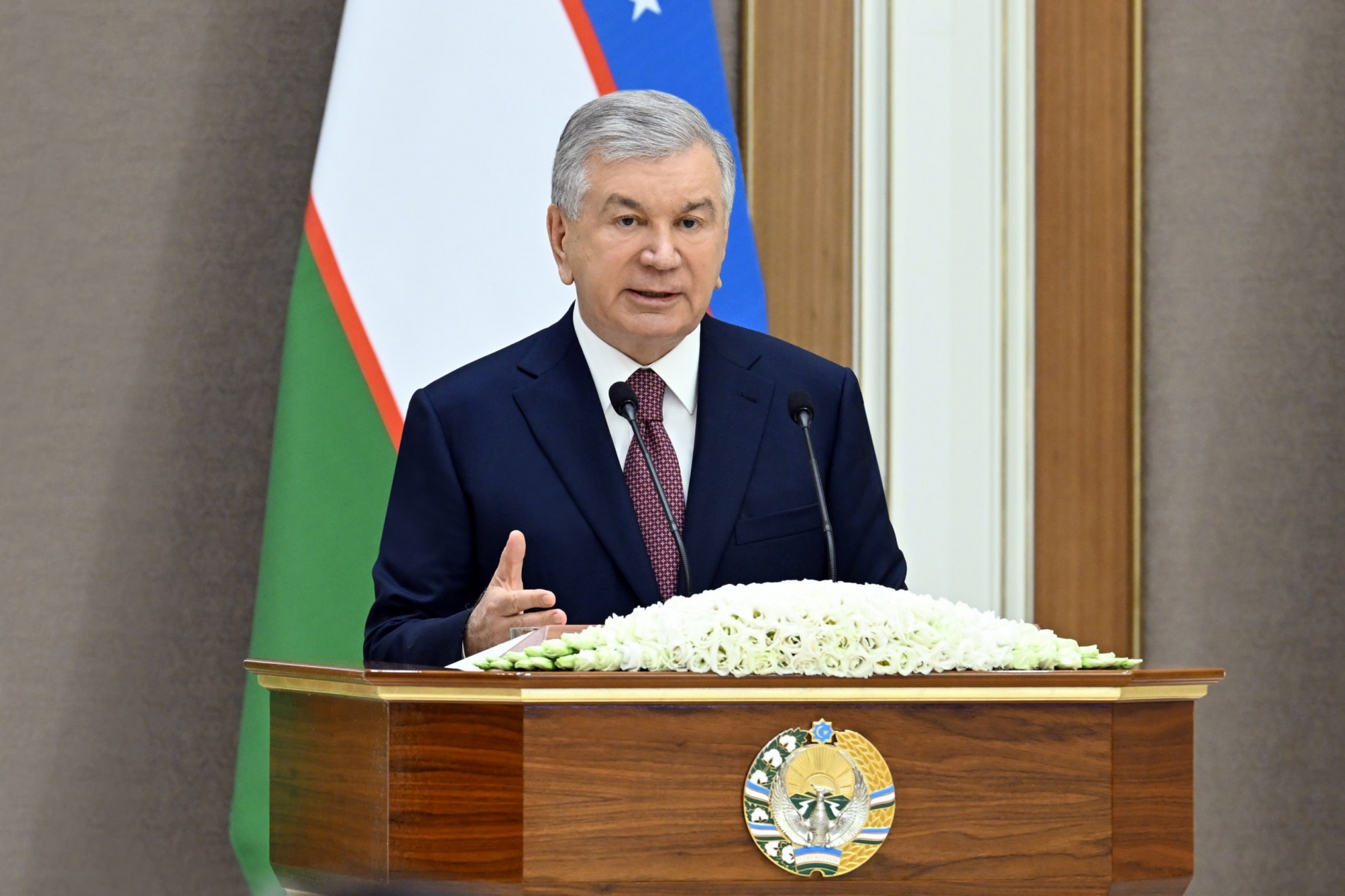
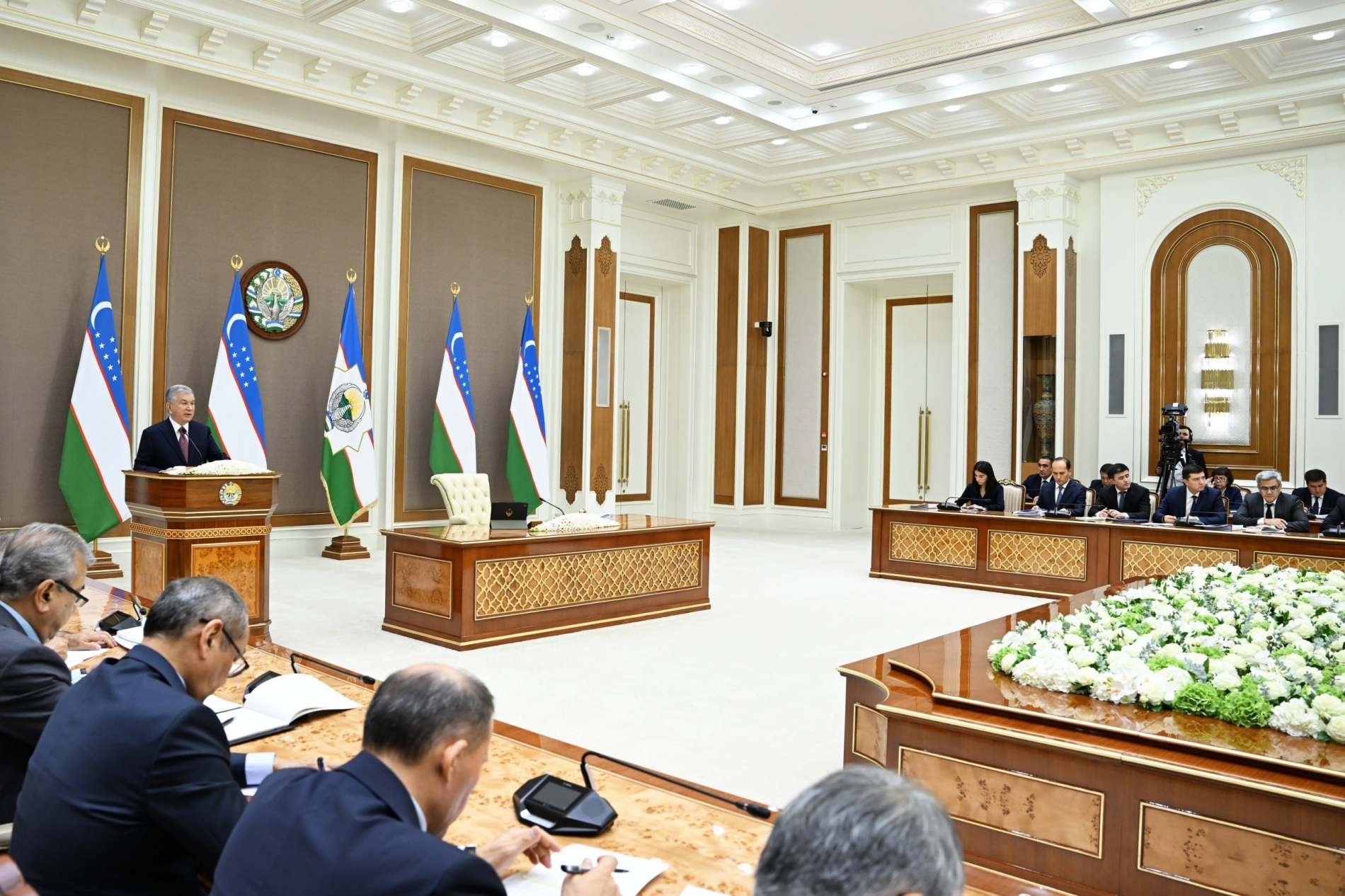
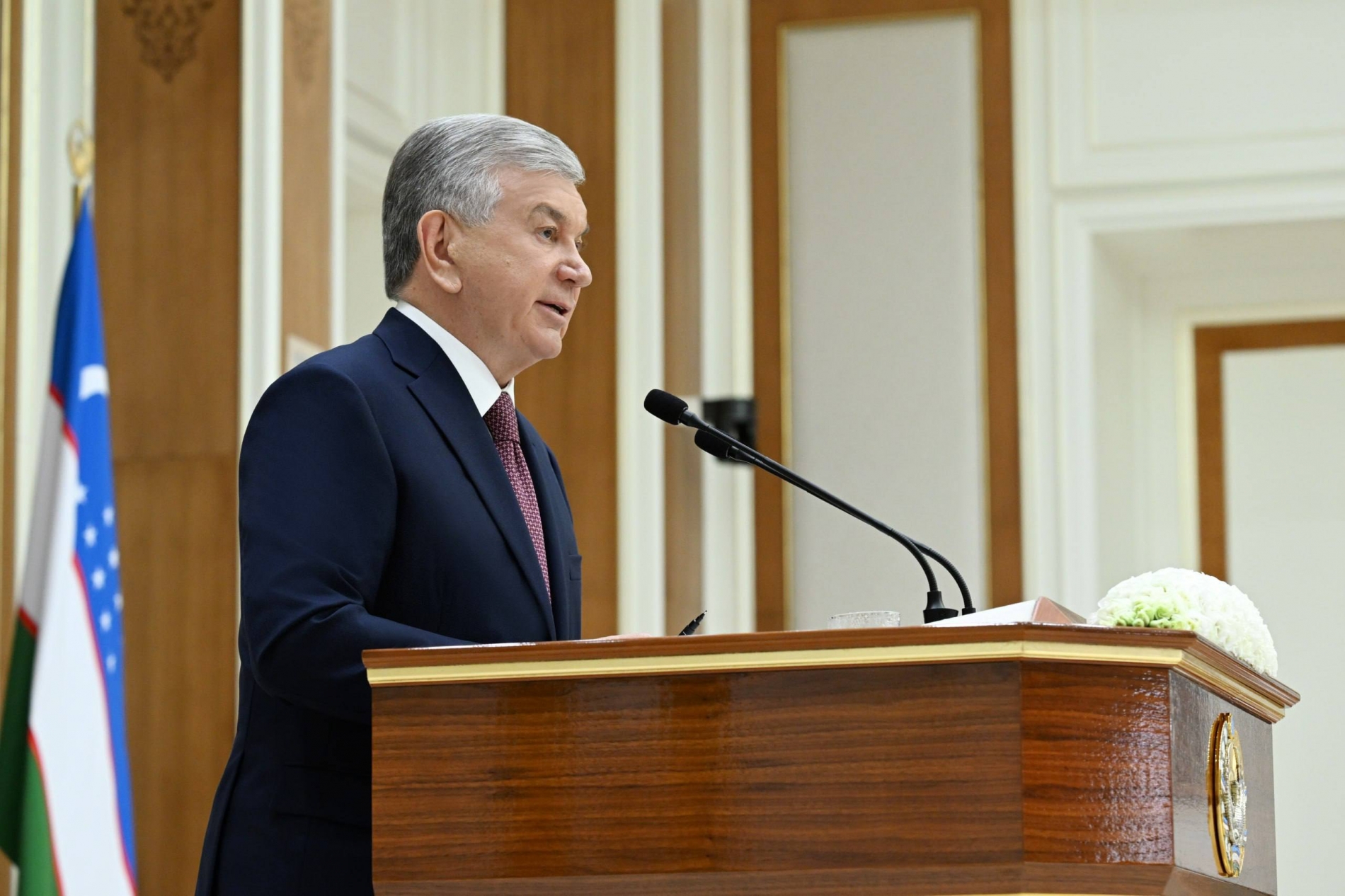
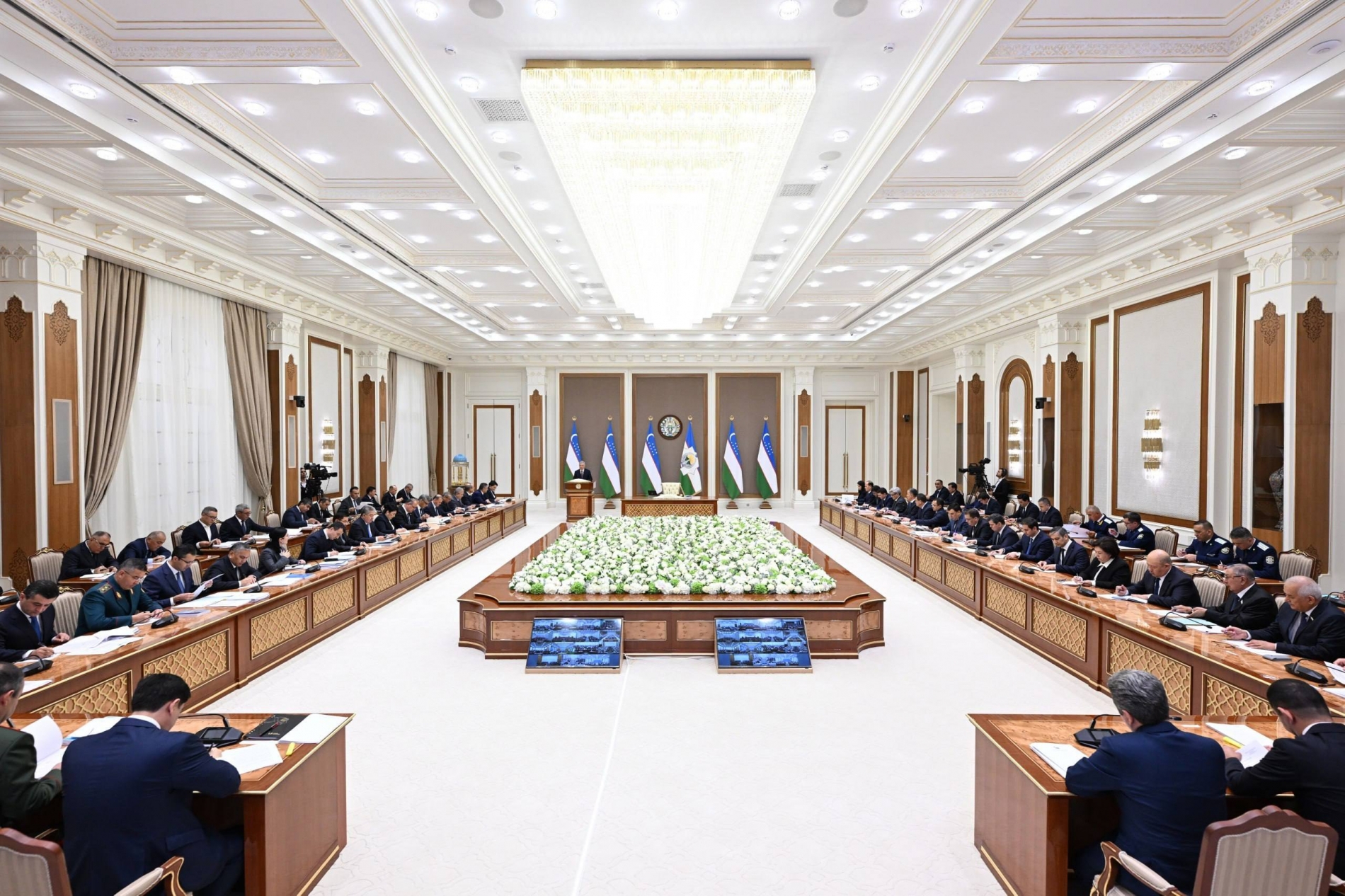
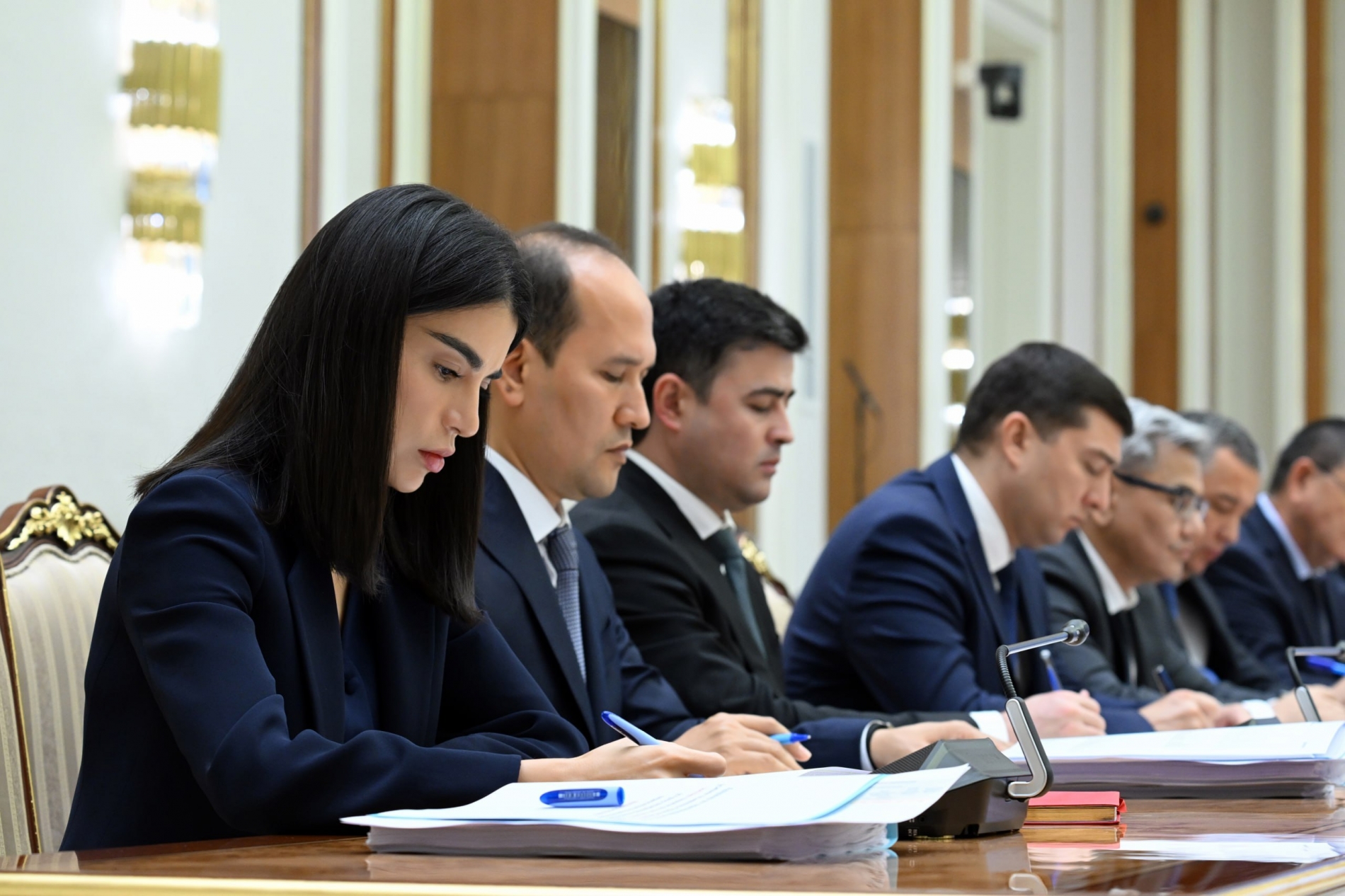
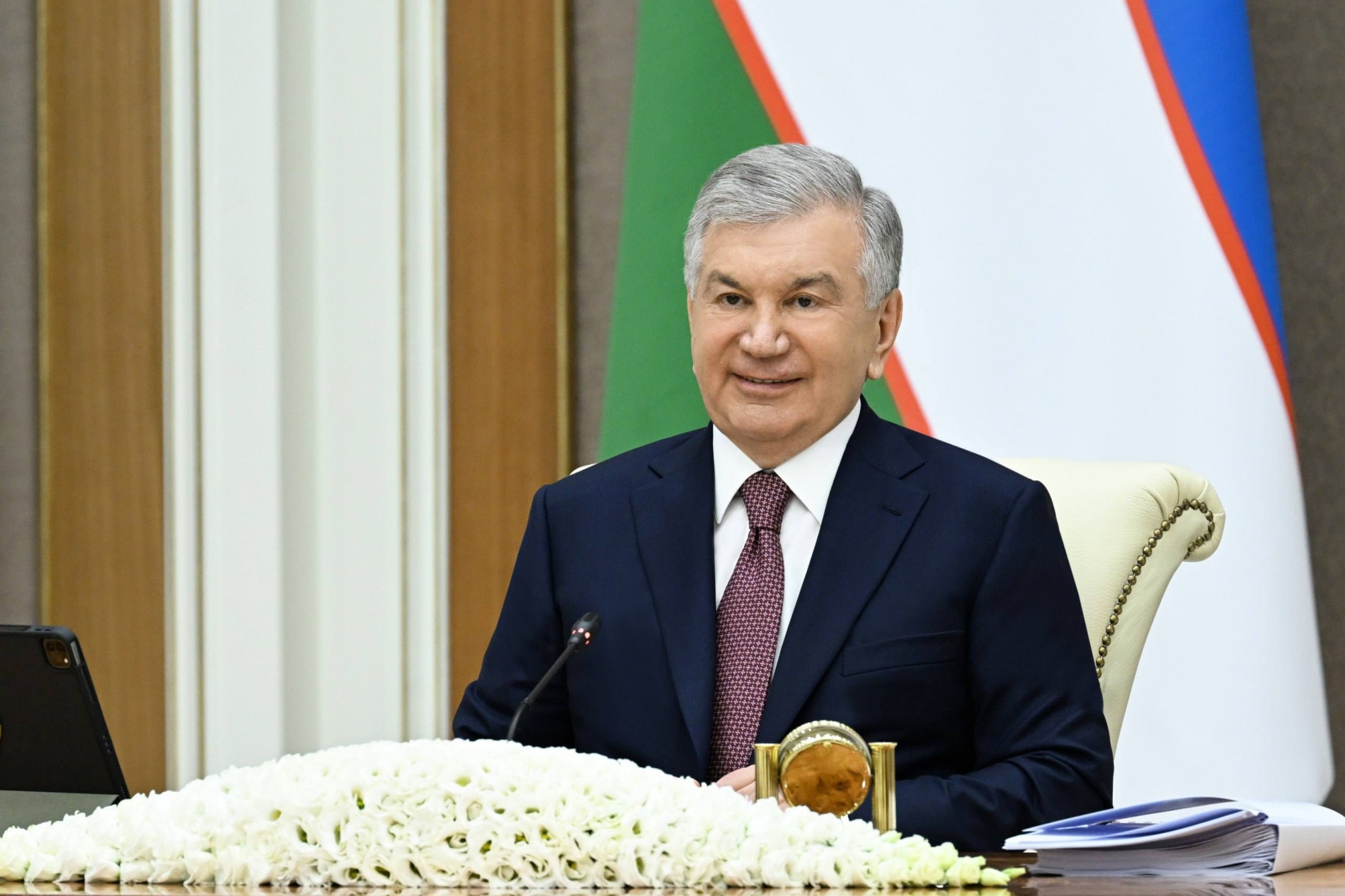
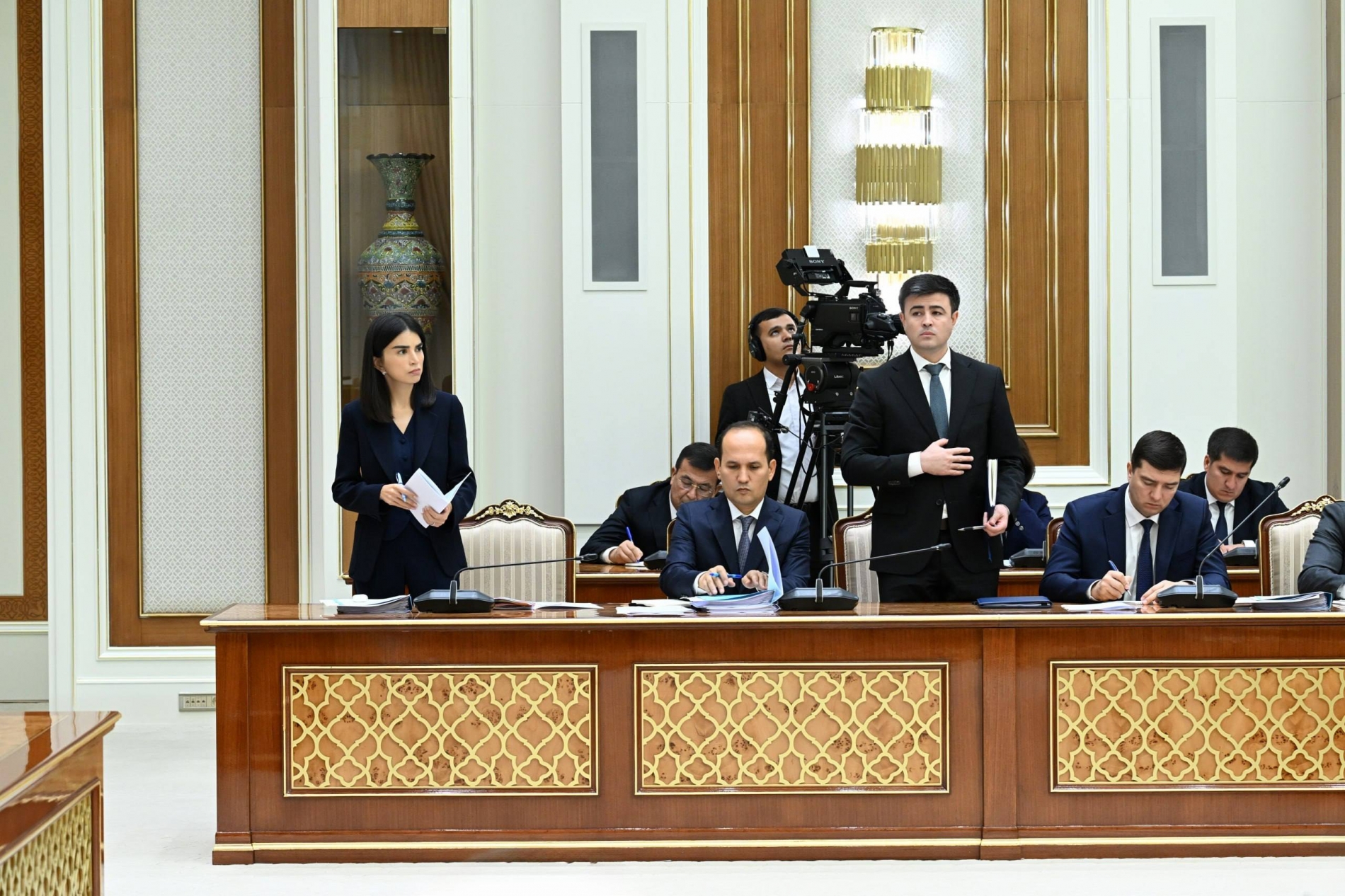
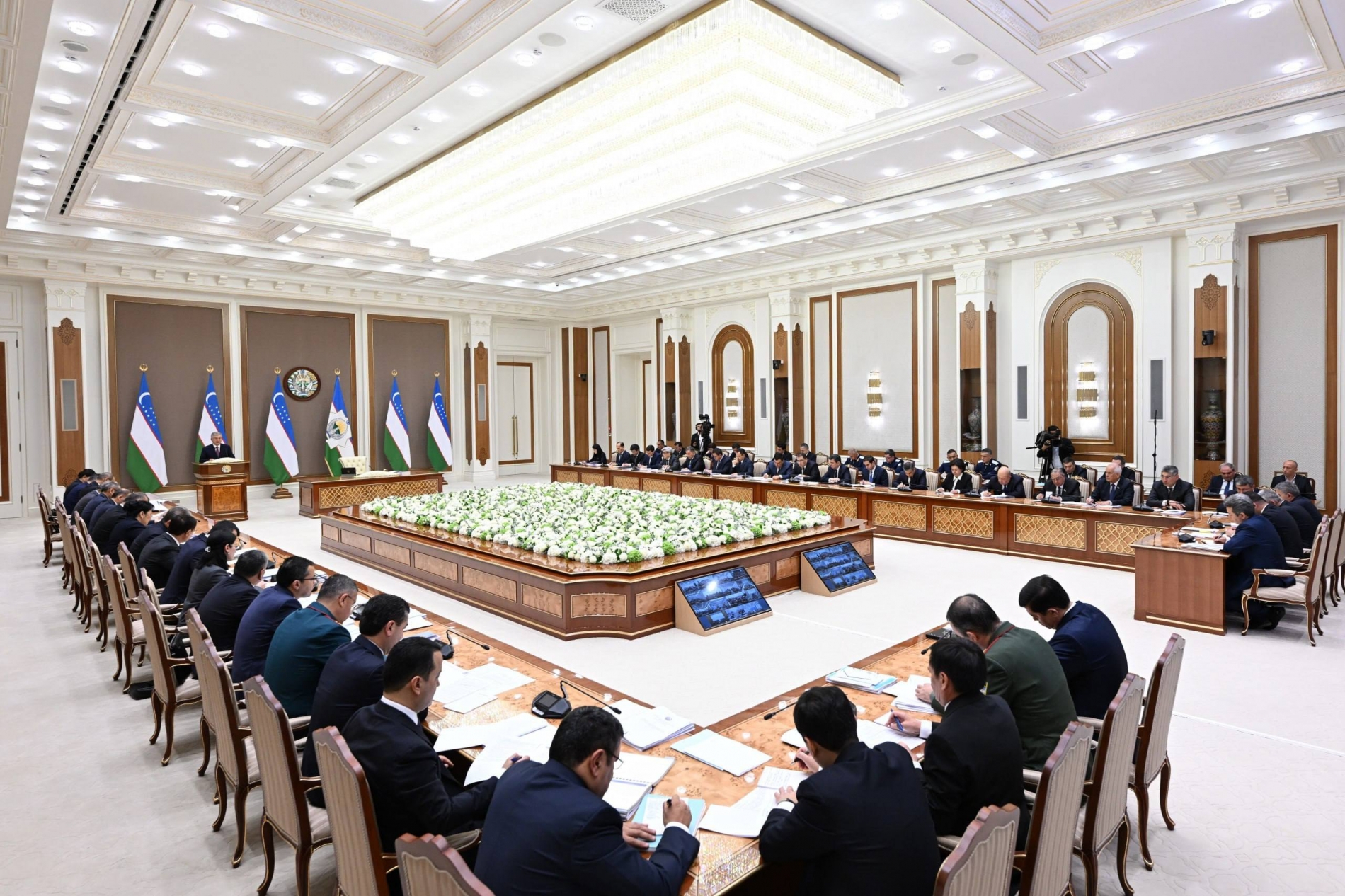
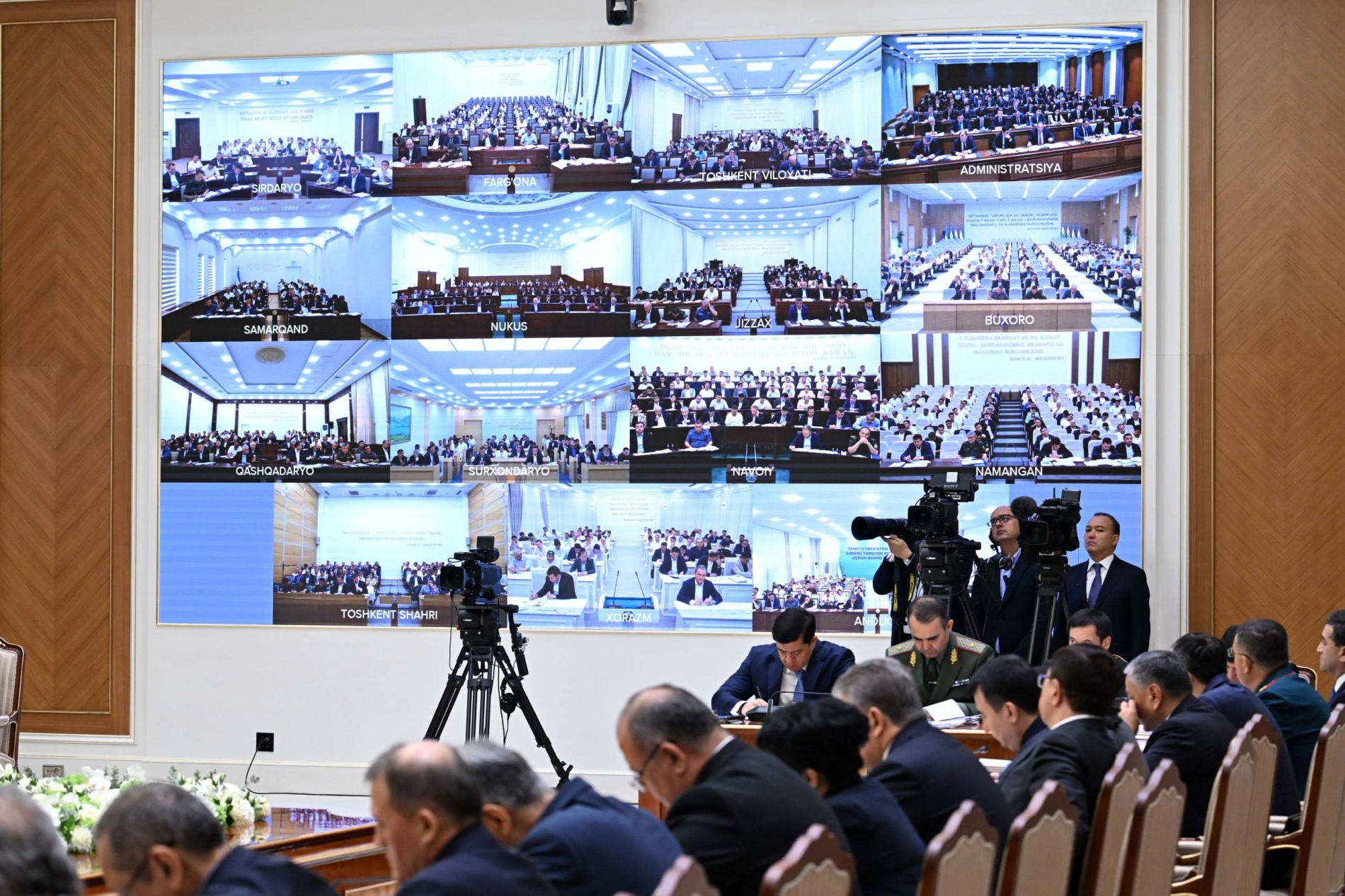
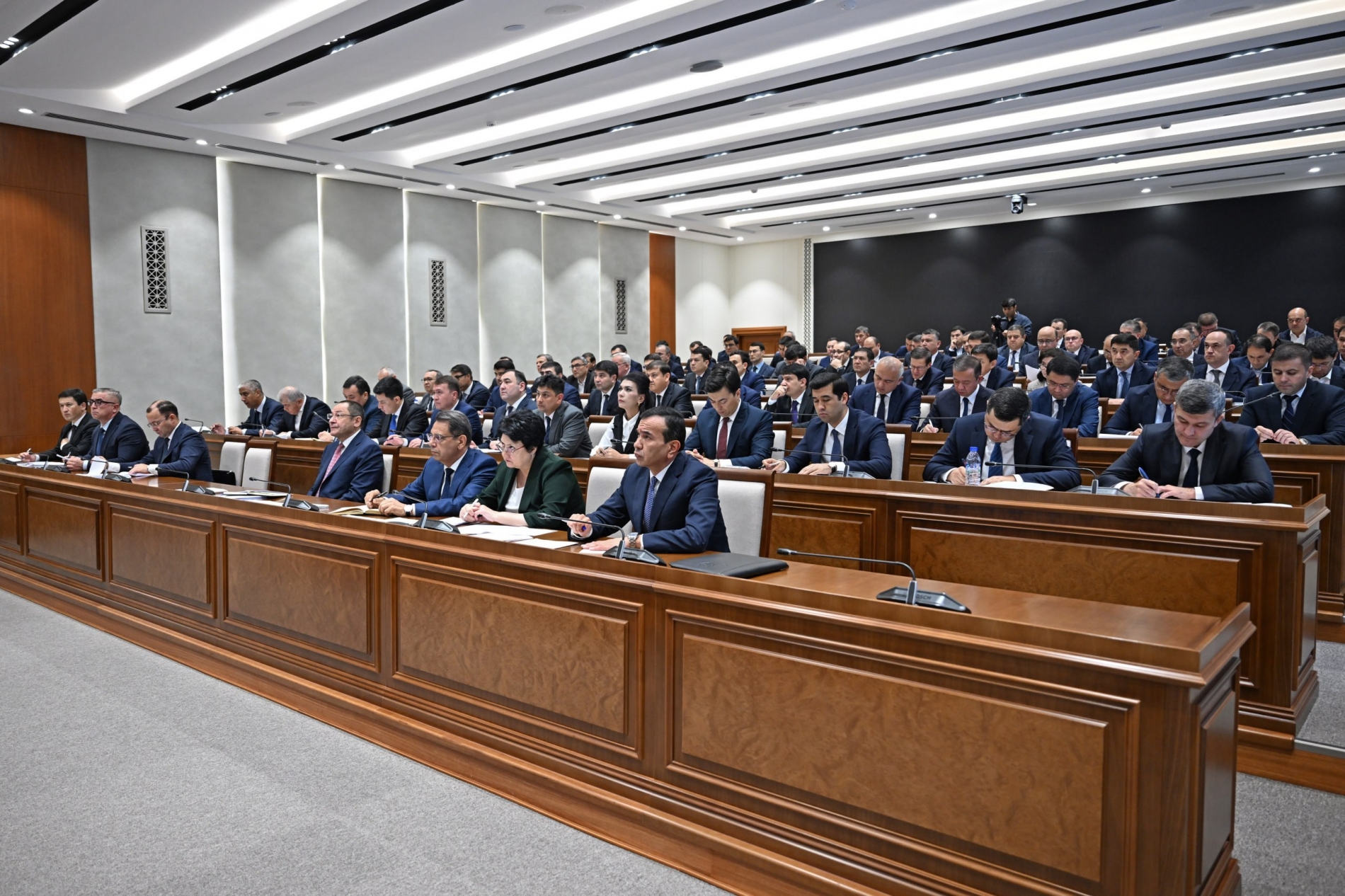
President Shavkat Mirziyoyev chaired a meeting to review economic performance across regions and sectors in the first half of the year and outline priority tasks for the remainder of the year.
Since the beginning of the year, Uzbekistan's economy has grown by 8.5 percent. Industry grew by 8 percent, services by 16.9 percent, construction by 13.8 percent, and agriculture by 4.7 percent. Investments reached $28 billion, while exports totalled $14.4 billion. International rating agencies Fitch and Moody's each upgraded Uzbekistan's sovereign credit rating by one notch.
At the same time, the President stressed that achieving economic growth of 9–10 percent is essential to improving the living standards of the country's 40 million people. He noted that this requires the heads of regions and industries to fully utilise existing opportunities and deliver tangible results for every project and every enterprise.
The meeting critically reviewed the implementation of the six-month plans of the heads of regions and industries. It was noted that in some regions, existing opportunities to increase gross regional product, construction volumes, investment, industrial output, and exports had not been fully utilised. Measures were taken to strengthen the accountability of officials who failed to fulfil their monthly, quarterly, and annual plans.
The Head of State noted that unless the work of every minister and khokim is reflected in the daily lives of the people and makes life easier for entrepreneurs, any achievements will remain merely "numbers on paper." In this regard, based on a fundamentally new approach, work will be organized at the local level to develop infrastructure, create jobs, support entrepreneurship, and increase household incomes.
Employment agencies will undertake targeted work in every region to provide training for citizens in need, help them secure employment, and increase their incomes. It was decided to review the performance of banks and the regional directorates of the Mahalla Association. The next three months will serve as a practical assessment period for their work. Specific tasks were set to improve and maintain mahallas, as well as to enhance the living standards of the population.
The meeting also discussed support for entrepreneurship and measures to improve the business environment. It was noted that 51 ministries and agencies are currently authorized to impose financial sanctions in 322 areas, while the total amount of fines imposed in 2024–2026 reached nearly 3 trillion soums. The President stressed that regulatory authorities should first and foremost give entrepreneurs an opportunity to address shortcomings and guide them in the right direction.
The President noted that, amid growing competition in foreign markets, it was necessary to reduce payments, fees, and unnecessary costs for exporters. He instructed all ministries and agencies to submit proposals to reduce bureaucratic procedures, fines, payments, and fees within their respective systems, as well as to further improve the business environment.
The Head of State also critically reviewed industrial production and export performance. He noted that the pace of industrial growth had slowed in a number of districts and cities and that the expected results in the export sector had not been achieved. The Prime Minister was instructed to review the performance of khokims who had failed to deliver results and, if no positive changes are achieved by the end of the first nine months, take strict measures against the responsible officials.
It was noted that an analysis of the costs of strategic enterprises had revealed rising production costs at a number of companies. High losses in the energy sector were also noted, along with the need to improve the efficiency of electricity and natural gas distribution. Tasks were set to increase the market value of major companies, prepare them for initial public offerings (IPOs), and enhance their investment attractiveness.
Although tax revenues have increased by 27 percent since the beginning of the year, exceeding 130 trillion soums, the failure to properly implement the annual plan for securing additional revenues was criticized. It was noted that, following the transfer of responsibility for working with large taxpayers to the regional level on July 1, there were no grounds for failing to meet the assigned tasks in this area.
The meeting also defined priorities for the restoration and privatization of production facilities. It was noted that the current downtime of a number of textile enterprises is resulting in the loss of opportunities to produce goods worth 5 trillion soums and generate $400 million in exports. The decline in production by 11 trillion soums at 57 sectoral and 76 territorial enterprises since the beginning of the year was also criticized.
Responsible officials were instructed to conduct a detailed analysis of the operations of each non-operational enterprise and restore their operations. In addition, under a new privatization program, real estate properties, land plots, and state shareholdings with a total value of 100 trillion soums will be put up for auction, while payment terms for entrepreneurs acquiring state assets will be eased.
Despite the commissioning of 509 export-oriented production facilities with a total value of $11 billion over the past three years, 208 of them have yet to enter foreign markets. It was noted that if just 30-40 percent of the output of these enterprises were exported, they could generate an additional $1.5-2 billion in export earnings.
The fact that 29 of the country's 47 special economic zones have not made a single export since the beginning of the year was also criticized. Responsible officials were instructed to establish operational teams and expedite the resolution of issues related to certification, the provision of working capital, market development, and logistics at enterprises and economic zones that have not yet started exporting.
Tasks for supporting national brands were also defined. Over the past two years, 15.5 billion soums in financial assistance has been allocated for this purpose. However, it was noted that one-third of domestic enterprises that have registered their own brands have not yet entered foreign markets. In this regard, a program will be developed to promote national brands in foreign markets and protect them from dumping and counterfeit products.
It was noted that 70 percent of foreign trade cargo is transported by rail, yet this sector receives the highest number of complaints from entrepreneurs. Logistical difficulties arise due to a shortage of freight cars and congestion on certain railway lines. Responsible officials were instructed to increase the availability of rolling stock and reach an agreement with the World Bank on attracting $200 million for the development of railway infrastructure.
The progress in implementing agreements reached during high-level visits was also reviewed. In recent years, 52 such visits have resulted in agreements on the implementation of 1,617 investment projects worth a total of $213 billion. From now on, the implementation of these roadmaps will be under the strict supervision of the Chamber of Accounts and the Ministry of Foreign Affairs.
The Prime Minister was instructed to hold weekly discussions with heads of industries, khokims, and ambassadors on the progress of project implementation by country. The Presidential Administration was tasked with reviewing the activities of diplomatic missions in economic diplomacy, investment attraction, and export development, as well as recommending young and modern-thinking personnel to replace leaders who are not fulfilling their duties.
The meeting also addressed issues of curbing inflation and ensuring food security. It was noted that despite the commitments previously made by regional khokims to keep inflation at no more than 3 percent during January–June, this task was not fulfilled in most regions. It was reported that, due to rising meat prices, 300 billion soums have been allocated to cover the costs of air transportation for imported meat.
The Head of State emphasized that the results of the agricultural census have provided an objective picture of the state of the livestock sector. Additional financial resources will be allocated to support livestock projects. The task has been set to import 100,000 head of cattle and 150,000 head of sheep and goats by the end of the year.
Specific measures were also identified to increase stocks of fruits, vegetables, and potatoes, expand cold storage capacity, and replenish food reserves. By the end of the year, the task is to commission 340 cold storage facilities with a total storage capacity of 87,000 tons.
The Head of State emphasized that no one can predict how long the uncertainty in the global economy will last. He noted that a slowdown in economic activity in major partner countries could affect the operations of domestic enterprises, particularly exporters.
In this regard, he stressed that all leaders must be prepared to mobilize available reserves while taking into account all possible risks. Together with the think tanks assigned to industries and regions, scientifically grounded proposals will be prepared by August 15.
These proposals will be aimed at the comprehensive development of the entire "resource – infrastructure – project – production – budget revenue – export" chain. Macroeconomic parameters, the budget, as well as investment and export programs for 2027 will be developed based on a new mobilization scenario approach.
At the meeting, ministers, heads of industries, and khokims presented reports and outlined plans for implementing the assigned tasks on the ground.


When using materials reference to www.president.uz is required
© 2026 Official web-site of the President of Uzbekistan
All rights reserved
Attention! If you find an error in the text, select it and press Ctrl + Enter to notify the administration
