

08.06.2026
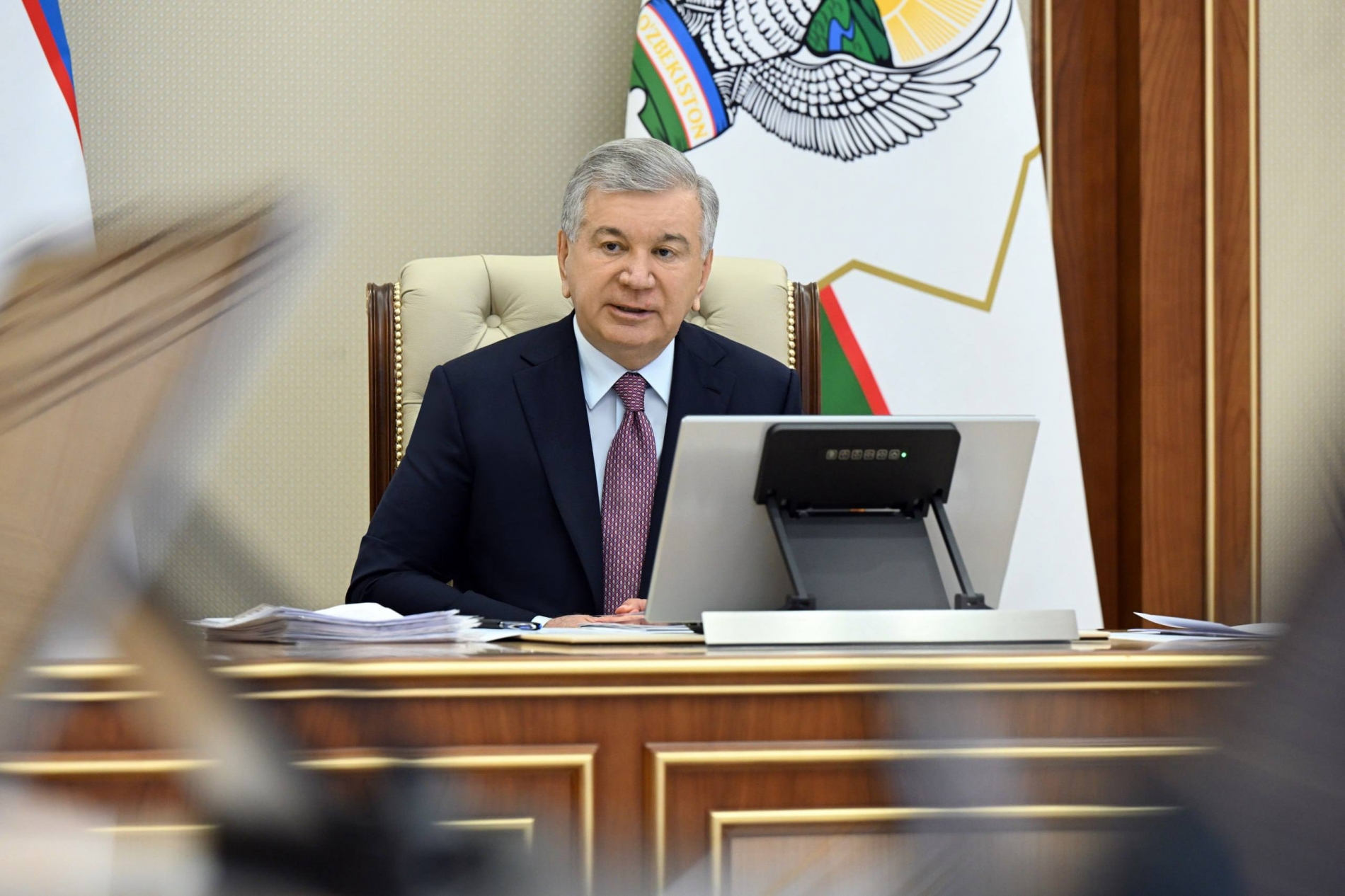
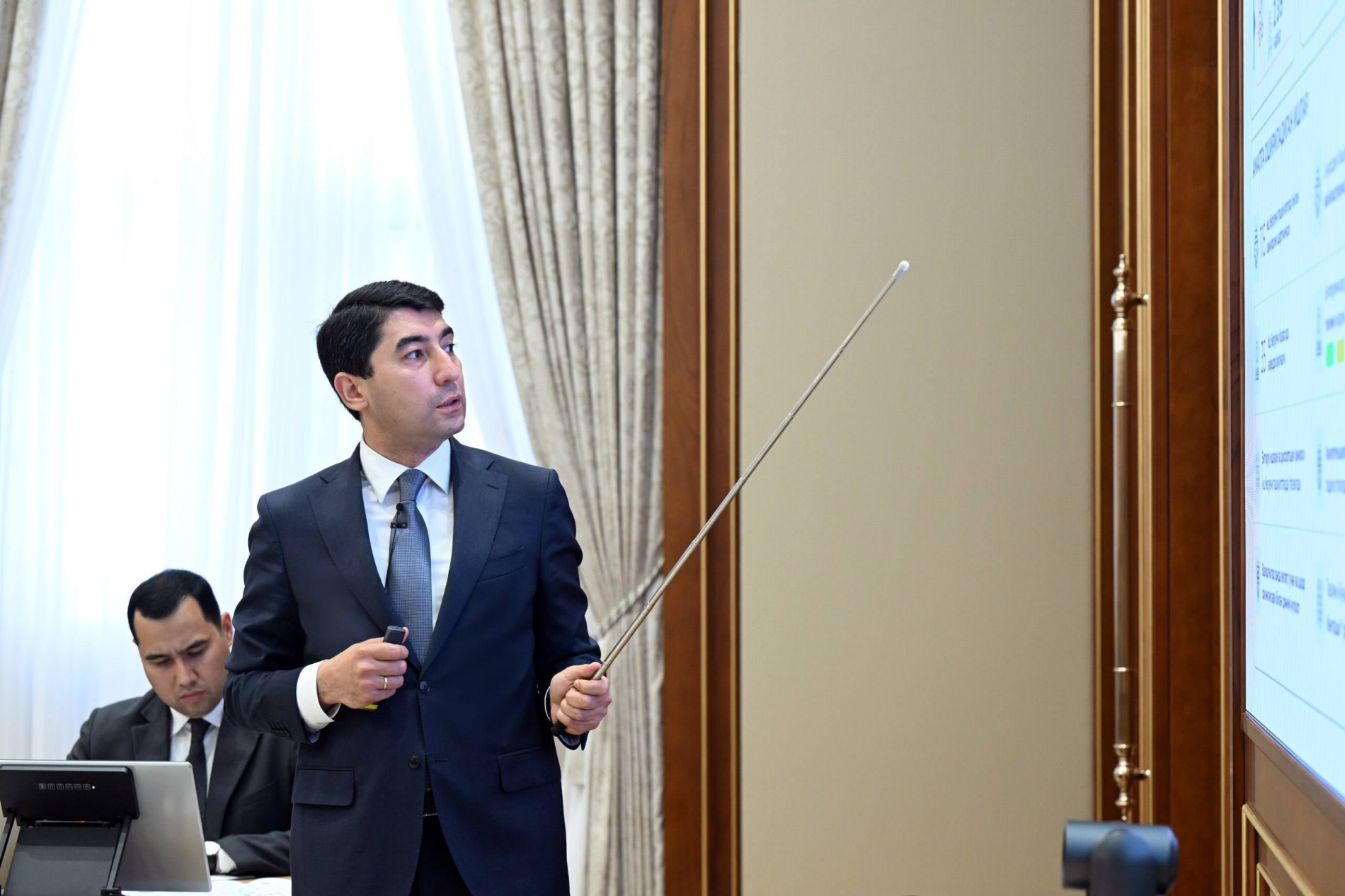
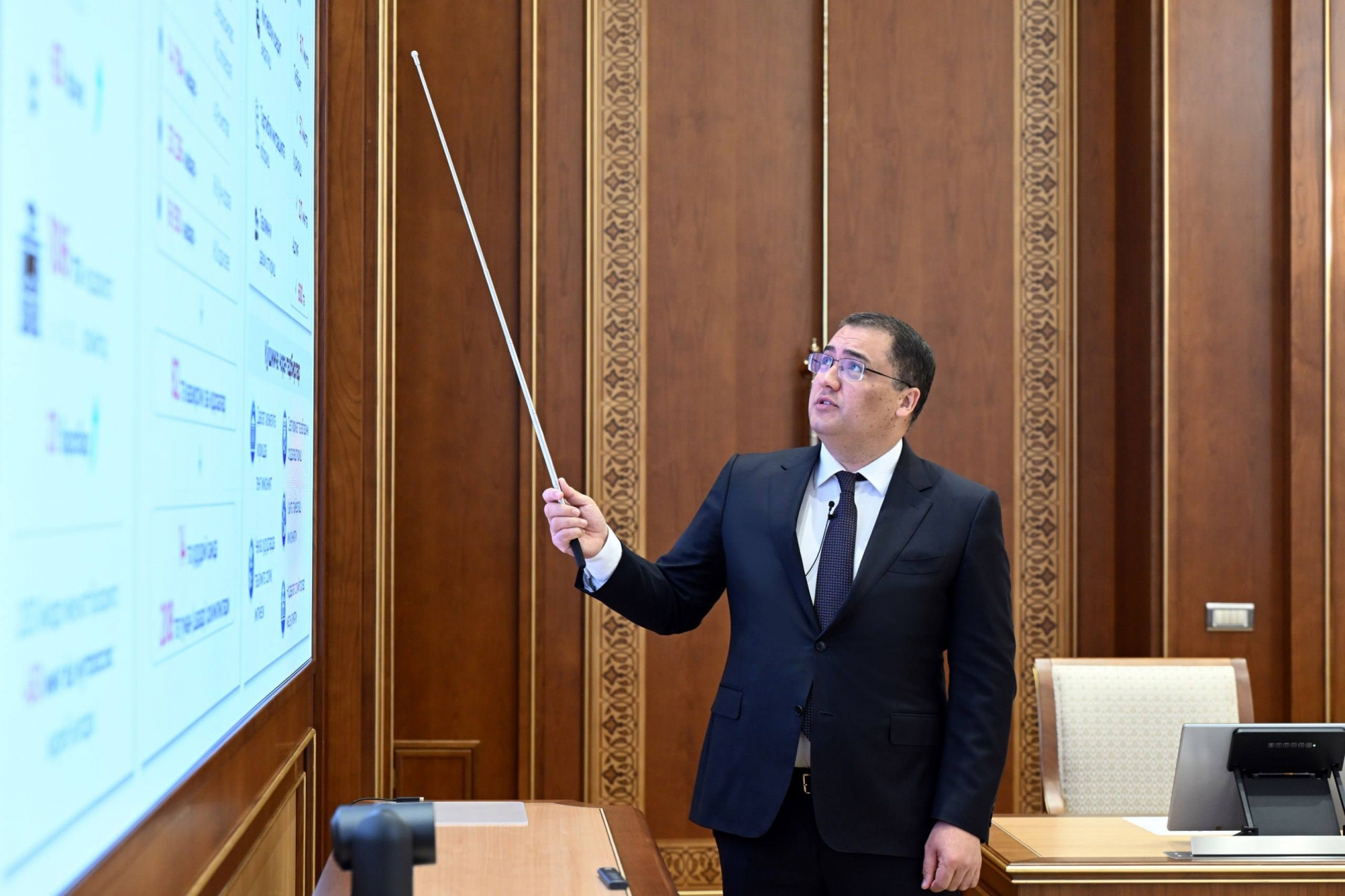
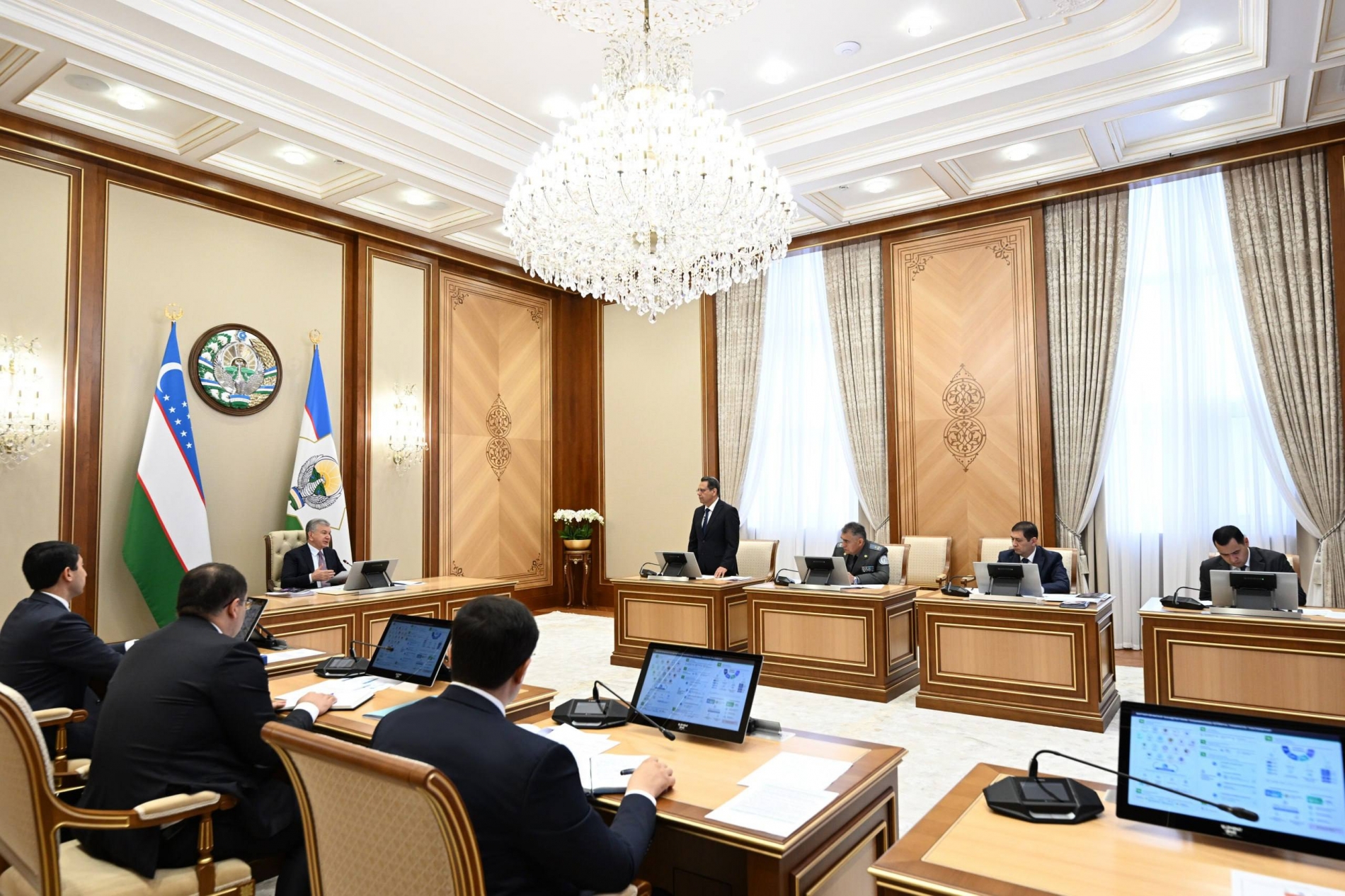
President Shavkat Mirziyoyev reviewed measures to ensure employment for graduates of the country's higher educational institutions.
In 2026, 320,000 students are expected to graduate from the country's universities.
In recent years, as access to higher education for young people has expanded significantly, the number of graduates entering the labor market has also increased.
An important role in ensuring their employment is played by individualized work with graduates, referrals to available vacancies across various sectors of the economy, support for entrepreneurial initiatives, as well as the effective use of the capabilities of career centers at higher educational institutions.
To provide preferential financing for entrepreneurial projects of university graduates, the “Step into the Future” program is being implemented. Under the program, 378 billion soums were allocated in 2025 to finance more than 6,000 projects. As a result, employment was secured for about 8,000 graduates.
Plans were announced to allocate 500 billion soums in 2026 to finance more than 8,000 projects and secure employment for about 10,000 young people.
It was proposed to expand the program through additional financial incentives for participating business entities.
The need to effectively organize the TalabaExpo-2026 career fairs in other regions of the country, with the active participation of employers and business entities, was also noted.
The importance of increasing the responsibility of ministries and agencies, district and city khokimiyats, as well as major business associations, in ensuring graduate employment was emphasized.
All processes will be monitored through the employment assistance platform career.edu.uz. Local khokimiyats will also be involved in addressing employment issues. As a result, a vertical system for working with graduates will be established.
In addition, new mechanisms were proposed to establish systematic work to promote student employment at the higher education institution level.
In particular, all higher educational institutions will ensure the full-fledged operation of career centers, with incentive mechanisms based on their performance. The activities of the centers will be evaluated using the Graduate Quality Index. The career centers of the 20 highest-performing universities will each receive 500 million soums.
This year, 360 university-level and 750 faculty-level job fairs are planned, along with workshops involving more than 1,000 employers across various fields.
Furthermore, to develop students' entrepreneurial skills and acquaint them with existing business opportunities, the course Fundamentals of Entrepreneurship will be introduced in all higher educational institutions starting from the 2026/2027 academic year.
At the same time, measures have been identified to support student startup projects at universities, engage students in newly established spin-off enterprises, establish department branches at industry enterprises, and expand the practice of defending final projects at employer enterprises.
An initiative was also proposed to introduce a targeted dual education model aimed at training specialists based on employer demand and adaptive educational programs.
Under this model, admission to the program and the determination of contract-based tuition fees will be based on a mutual agreement between the employer and the university, while the employer will guarantee the graduate's employment upon completion of their studies.
The importance of increasing the responsibility of higher education institution leadership for the effective implementation of the proposed measures was emphasized. Graduate employment rates will also be included among their key performance indicators.
The President instructed responsible officials to ensure the effective organization of work with graduates, thoroughly develop the proposed initiatives, and mobilize all available resources to create additional jobs.


When using materials reference to www.president.uz is required
© 2026 Official web-site of the President of Uzbekistan
All rights reserved
Attention! If you find an error in the text, select it and press Ctrl + Enter to notify the administration
