

13.05.2026
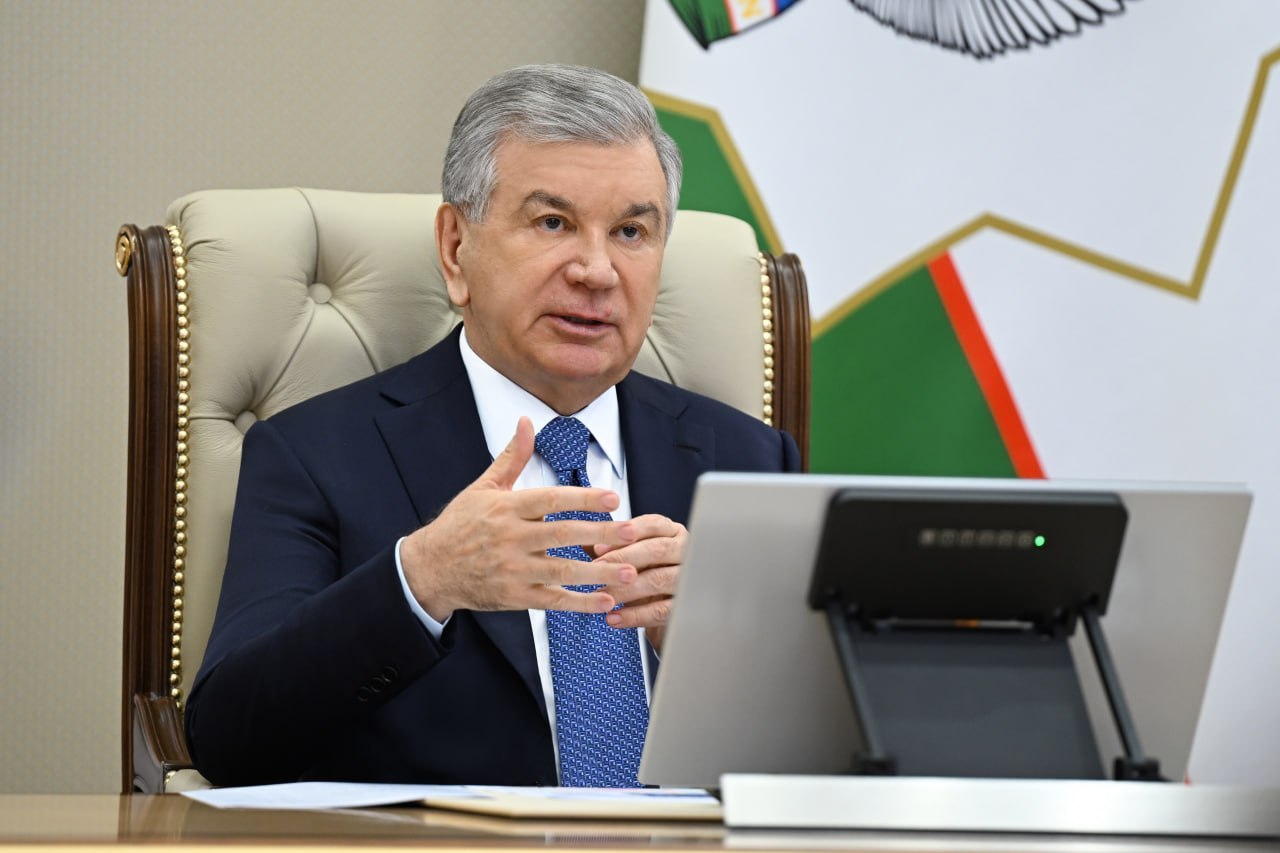
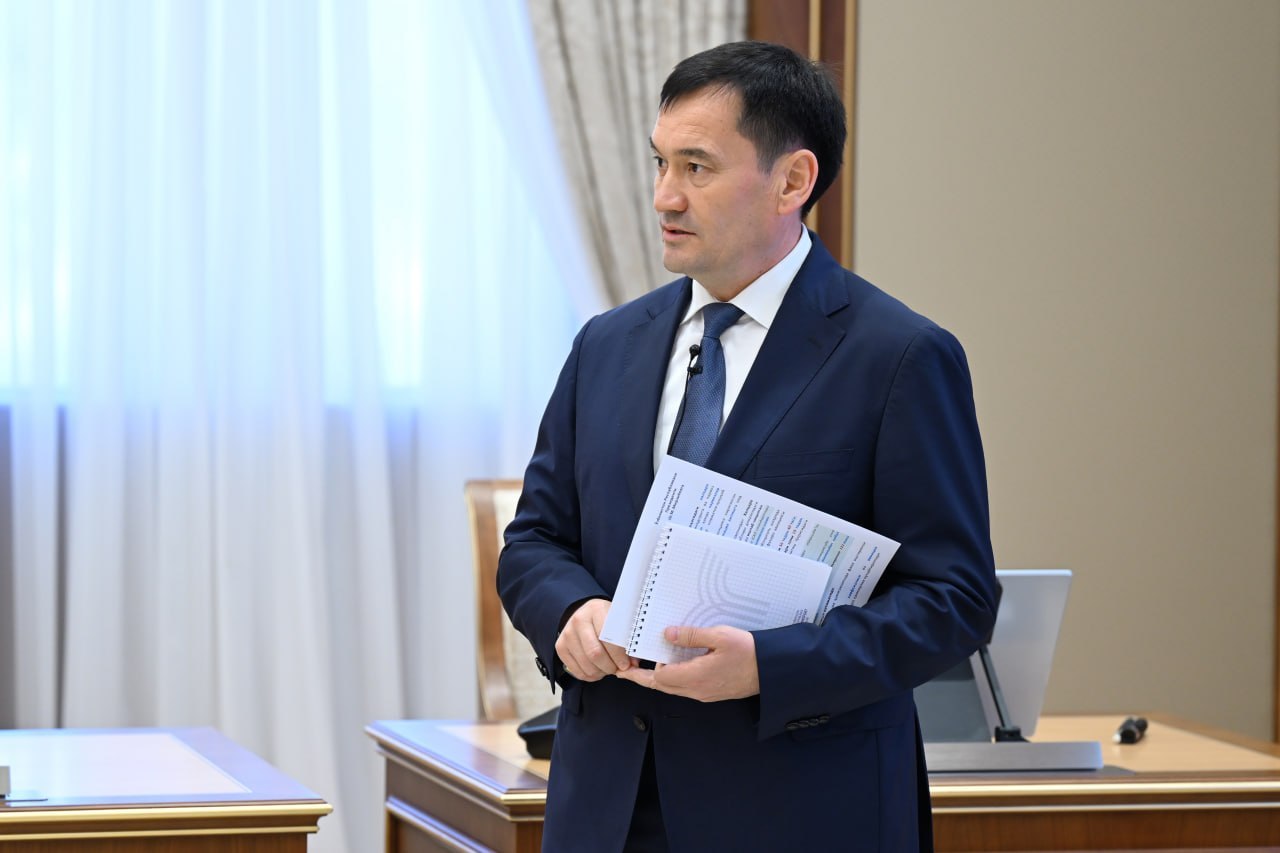
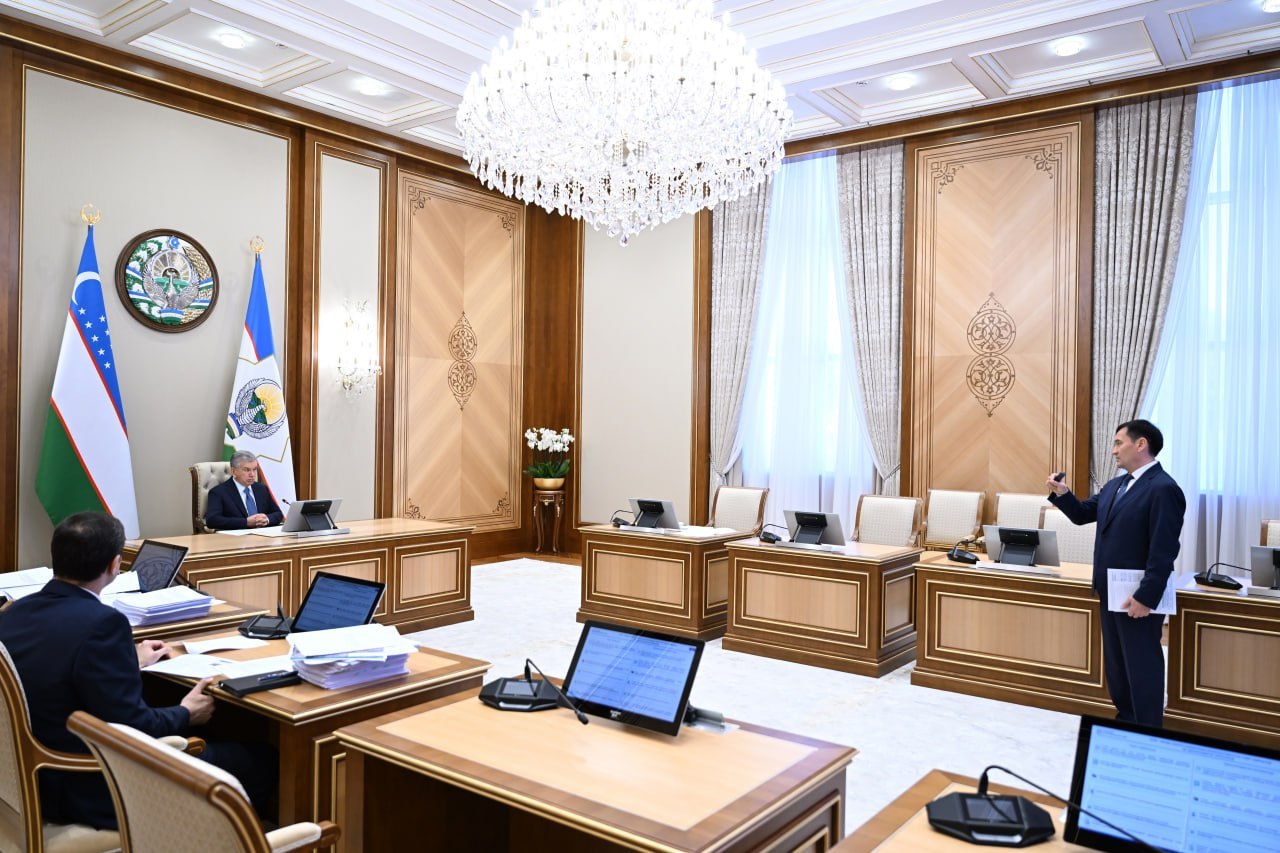
President Shavkat Mirziyoyev was briefed on proposals to ensure high-quality and safe passenger services, as well as increase the efficiency of infrastructure use in the Tashkent Metro.
The growth in the population and the number of visitors to the capital, the expansion of the city, and increasing demand for public transport require taking metro development to a new level. In this regard, targets have been set to increase daily metro passenger traffic to 1.8 million people, expand the number of stations to 79, and extend the total length of the lines to 103 kilometers by 2030. Plans also envisage gradually reducing train intervals to 1.5–3 minutes.
A number of measures are envisaged to improve the metro’s infrastructure and financial sustainability. In particular, from 2026 to 2028, efforts will be undertaken to improve service quality and modernize the technical base of civil defense facilities.
To enhance passenger safety, a pilot project has been proposed to install glass protective barriers on the platforms of the Shahriston metro station. According to international practice, such barriers can reduce platform-related accidents by 80–90 percent. They can also generate additional revenue through advertising placement.
Another important area is the construction of new lines. In particular, plans envisage the development of design and cost documentation for the Mingurik-Chilanzar Clothing Market metro line. At the first stage, the feasibility of the Mingurik-Southern Railway Station route will be studied, followed at the second stage by the Southern Railway Station–Chilanzar Clothing Market route.
Particular attention was paid to creating additional revenue sources for the metro. Plans envisage leasing digital advertising spaces in train cars and on platforms to the private sector through auctions, installing vending machines and small retail outlets at stations, and organizing parking areas near metro stations. It was also proposed to lease vacant buildings and premises to entrepreneurs through auctions for use as co-working spaces and small offices.
To ensure convenient transfers from private vehicles to the metro system, the introduction of a Park & Ride system was proposed.
During the presentation, issues related to fleet renewal and the construction of an electric depot were also discussed. From 2027 to 2030, proposals will be developed for the procurement of the necessary rolling stock for the metro. In this regard, the required land plot will be allocated for the construction of an electric depot for the new rolling stock.
Plans also envisage the development of a Tashkent Metro strategy for 2027–2035. The strategy covers the expansion of the metro network by twofold, increasing passenger traffic by 2.5 times, creating an environmentally sustainable, energy-efficient, and safe transport system, as well as further improving service quality and passenger comfort.
Proposals were also put forward to improve the fare payment system. Taking into account international experience, the possibilities of introducing distance-based fares, providing benefits for certain categories of the population, as well as daily, weekly, and monthly passes, will be studied.
The President emphasized that public transport, especially the metro, is one of the key components of urban infrastructure in a large city. In this regard, the importance of the integrated development of service quality, safety, financial sustainability, and modern management was underscored. The Head of State approved the proposals and instructed responsible officials to ensure their implementation.


When using materials reference to www.president.uz is required
© 2026 Official web-site of the President of Uzbekistan
All rights reserved
Attention! If you find an error in the text, select it and press Ctrl + Enter to notify the administration
