
11.04.2026
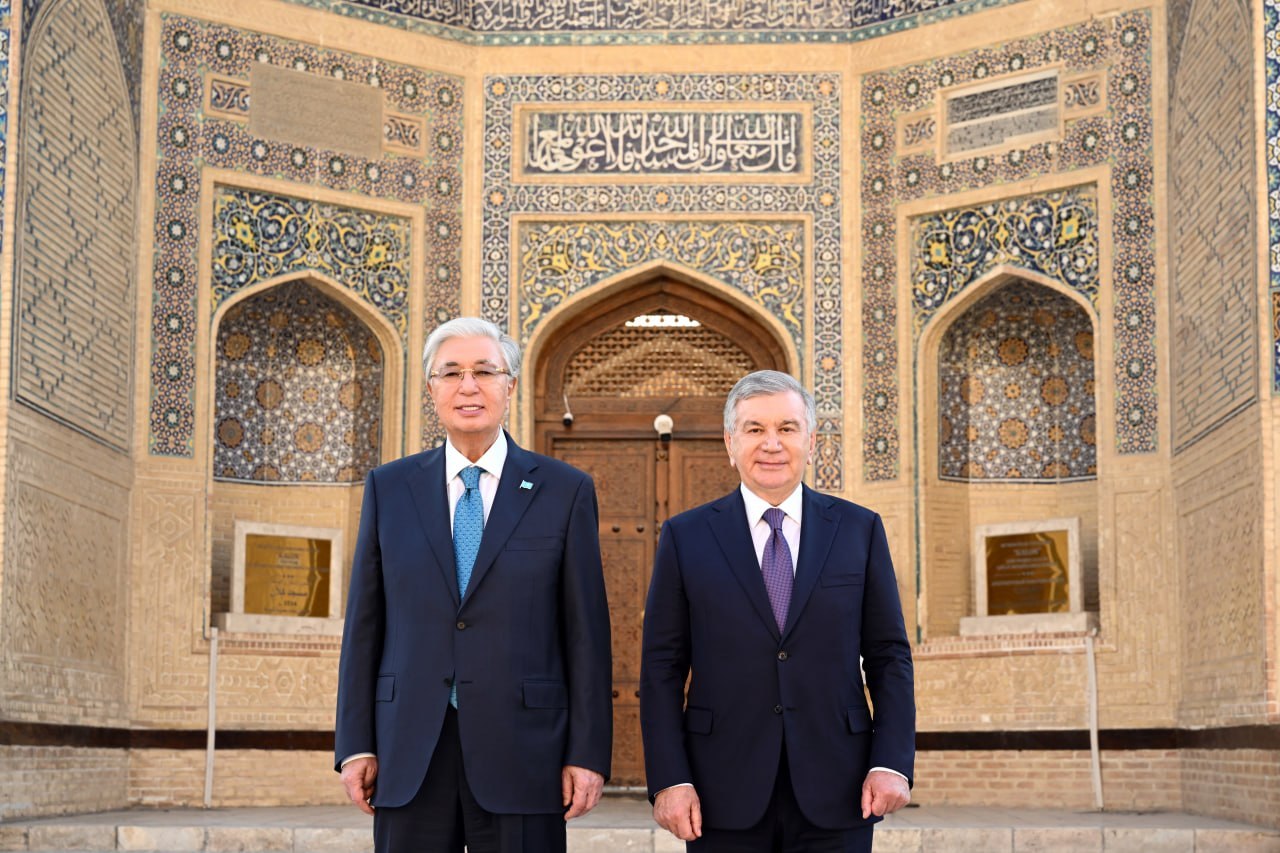
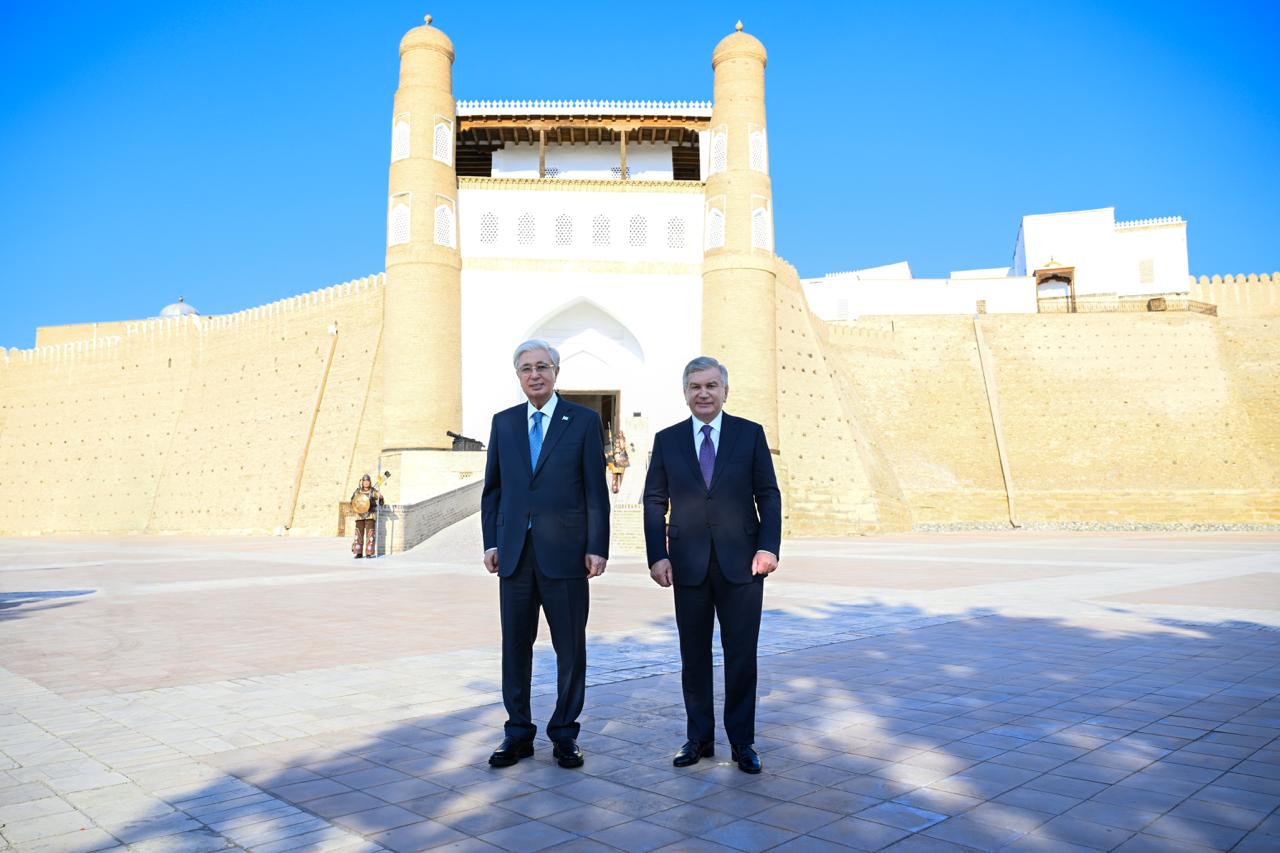
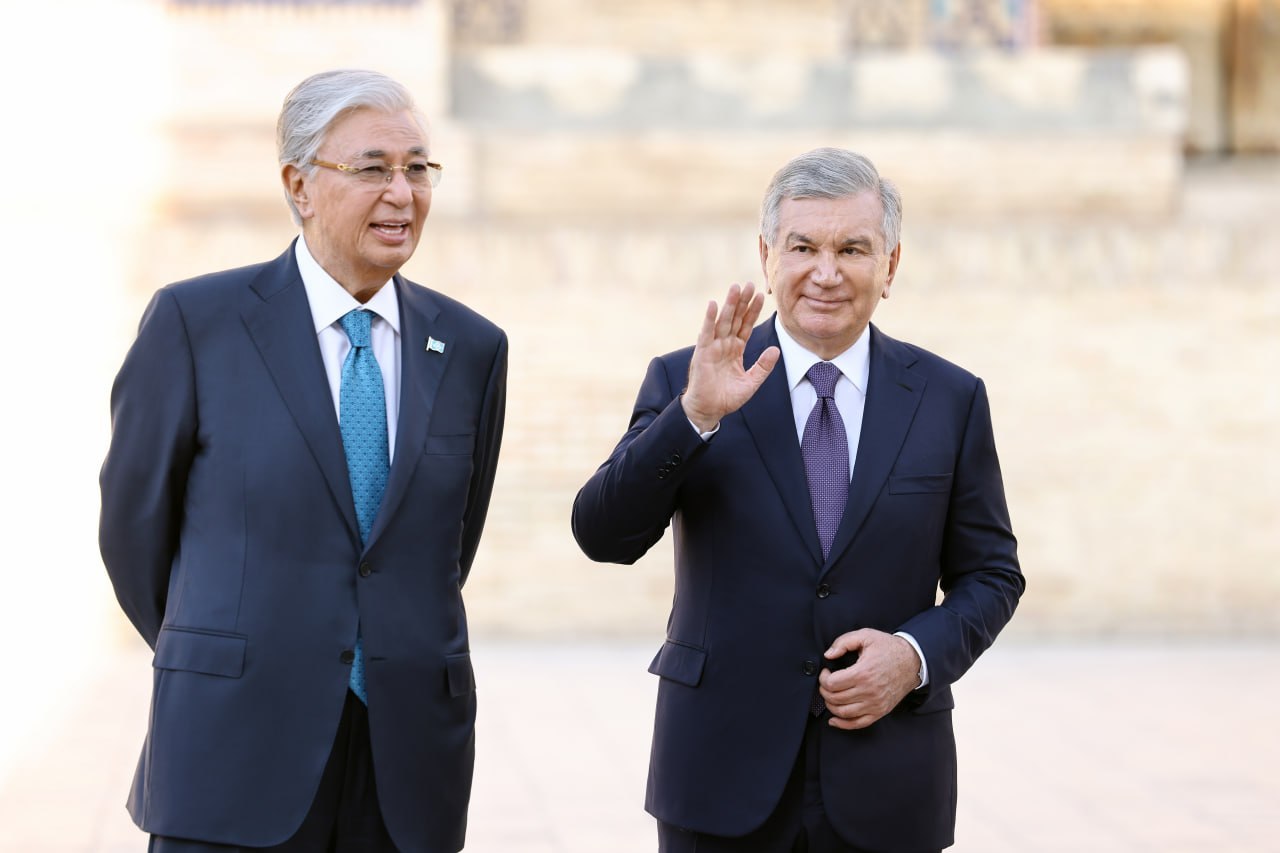
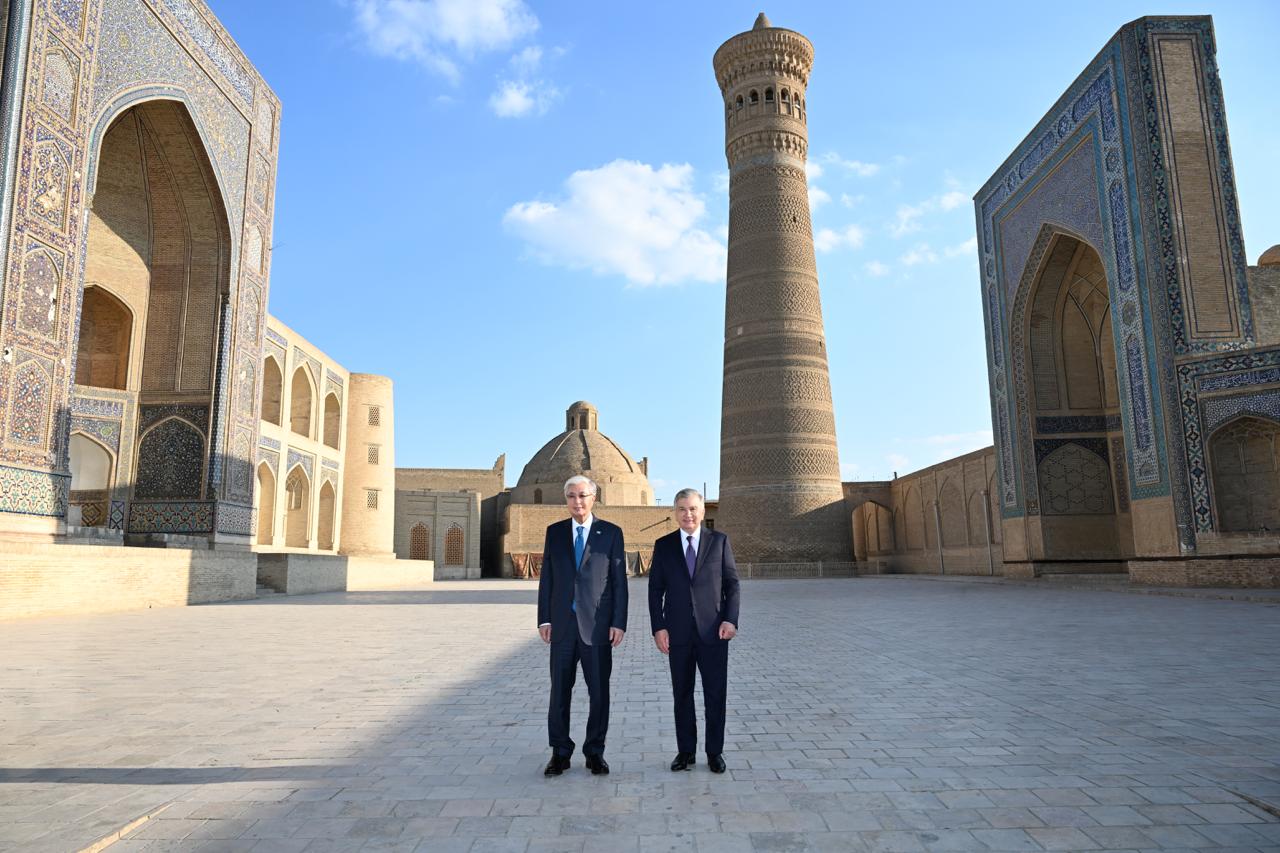
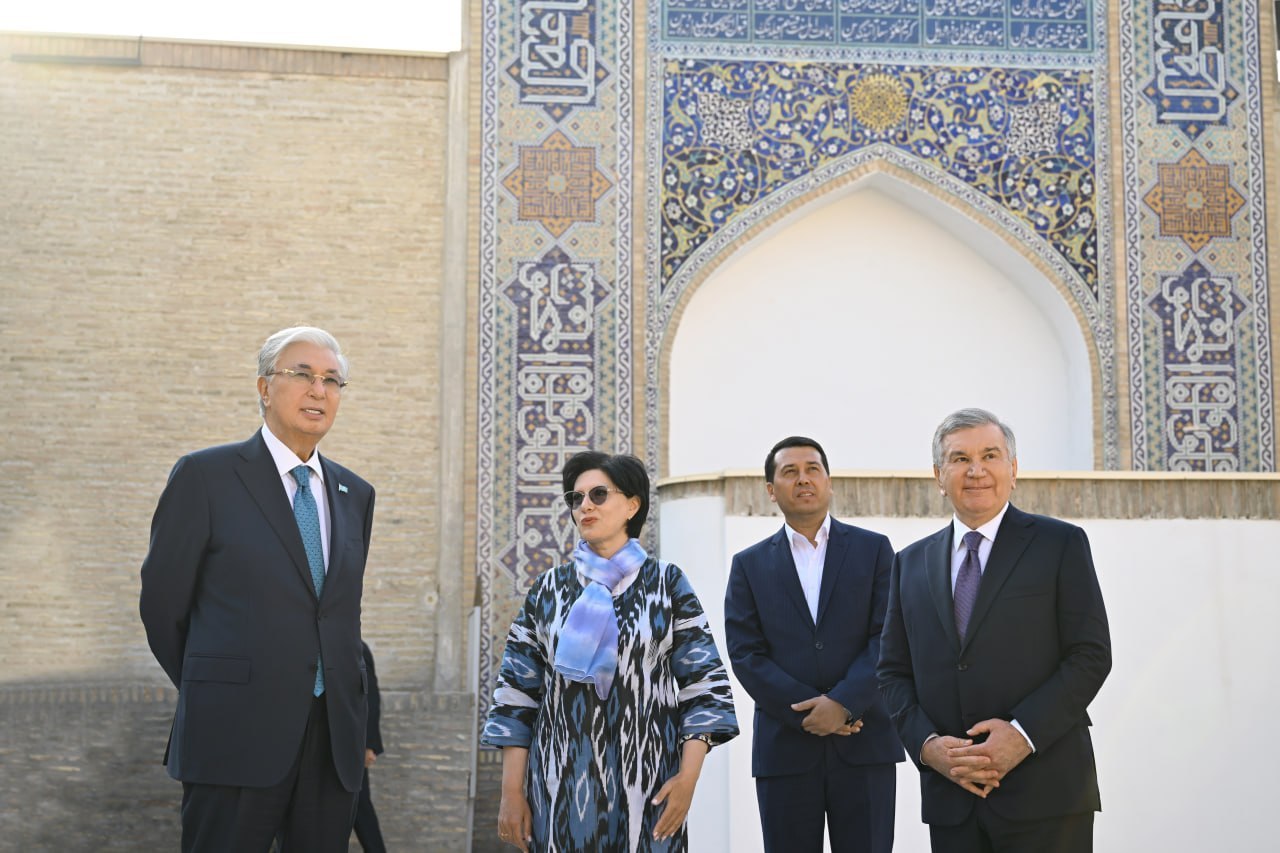
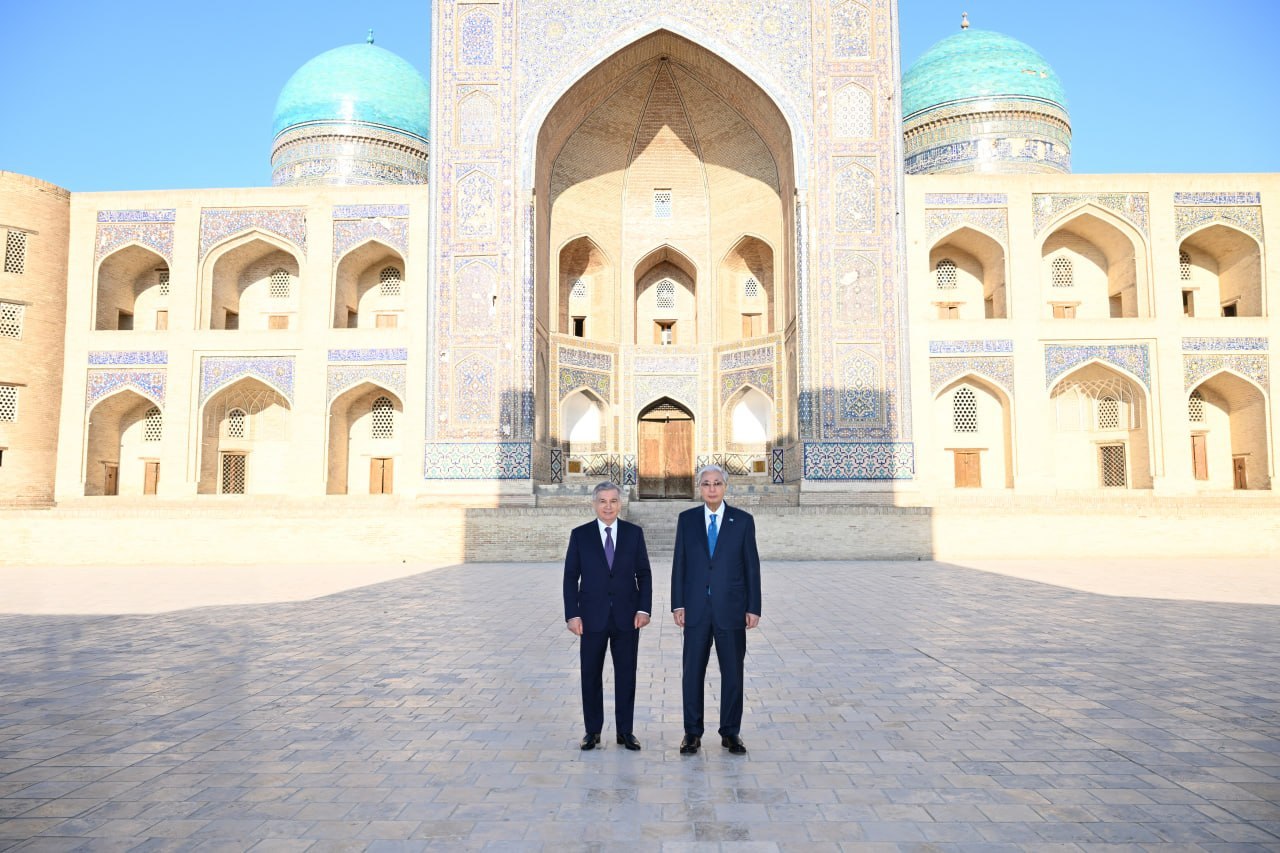
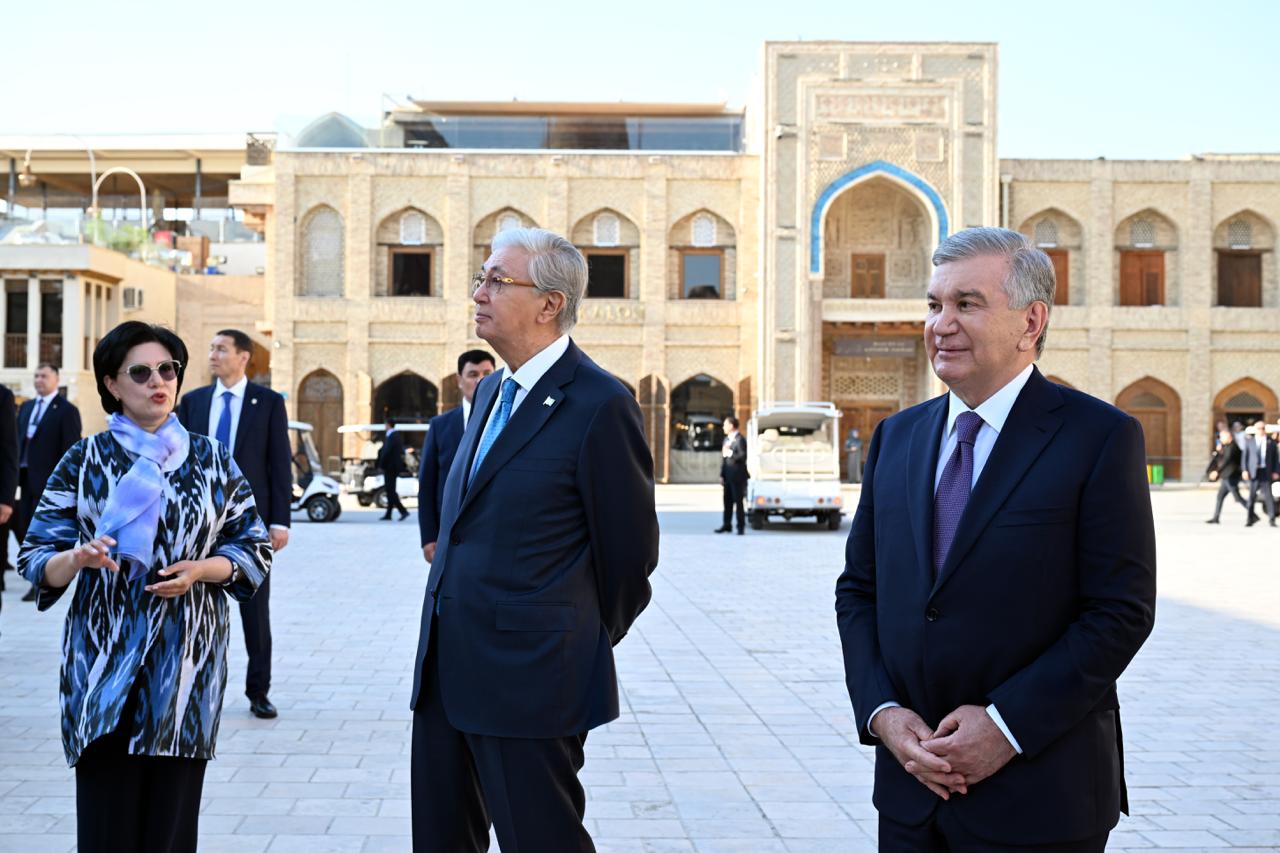
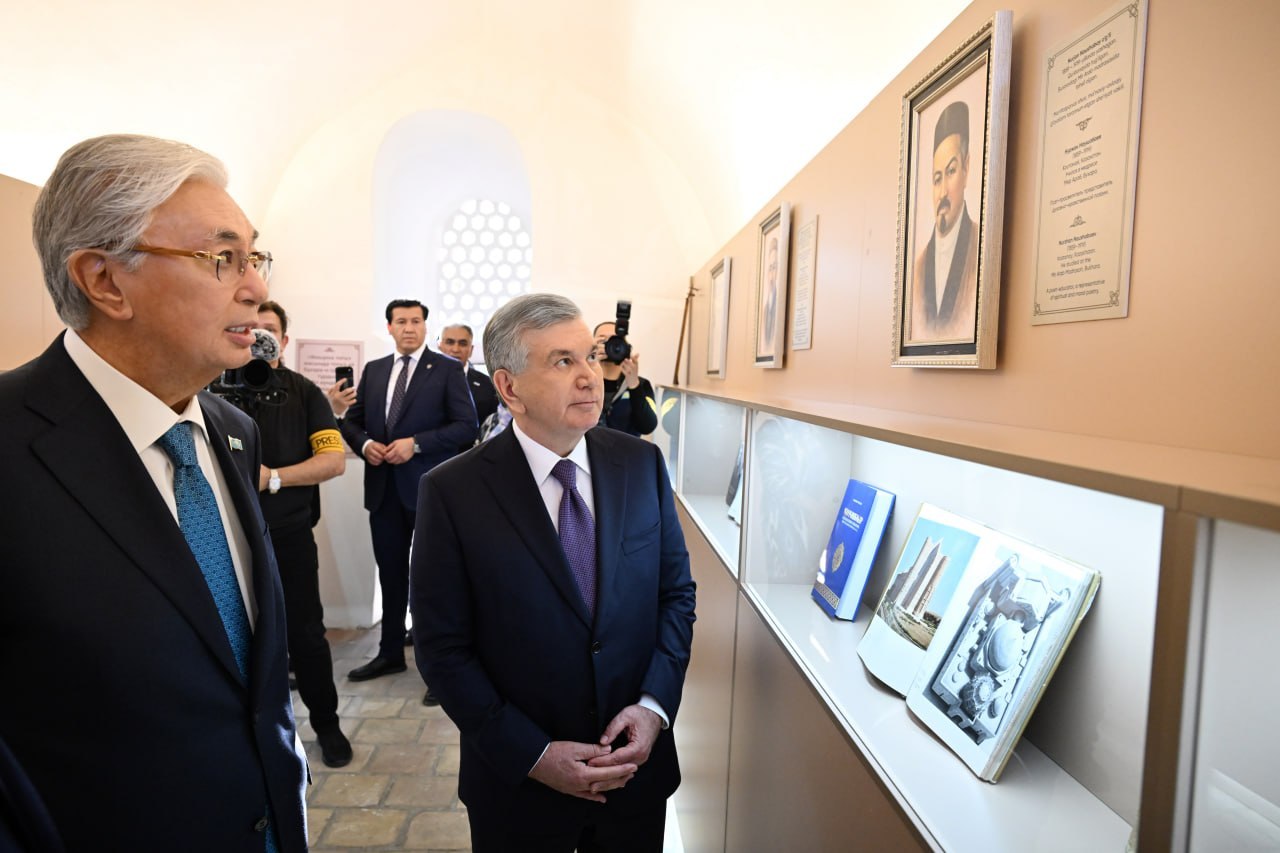
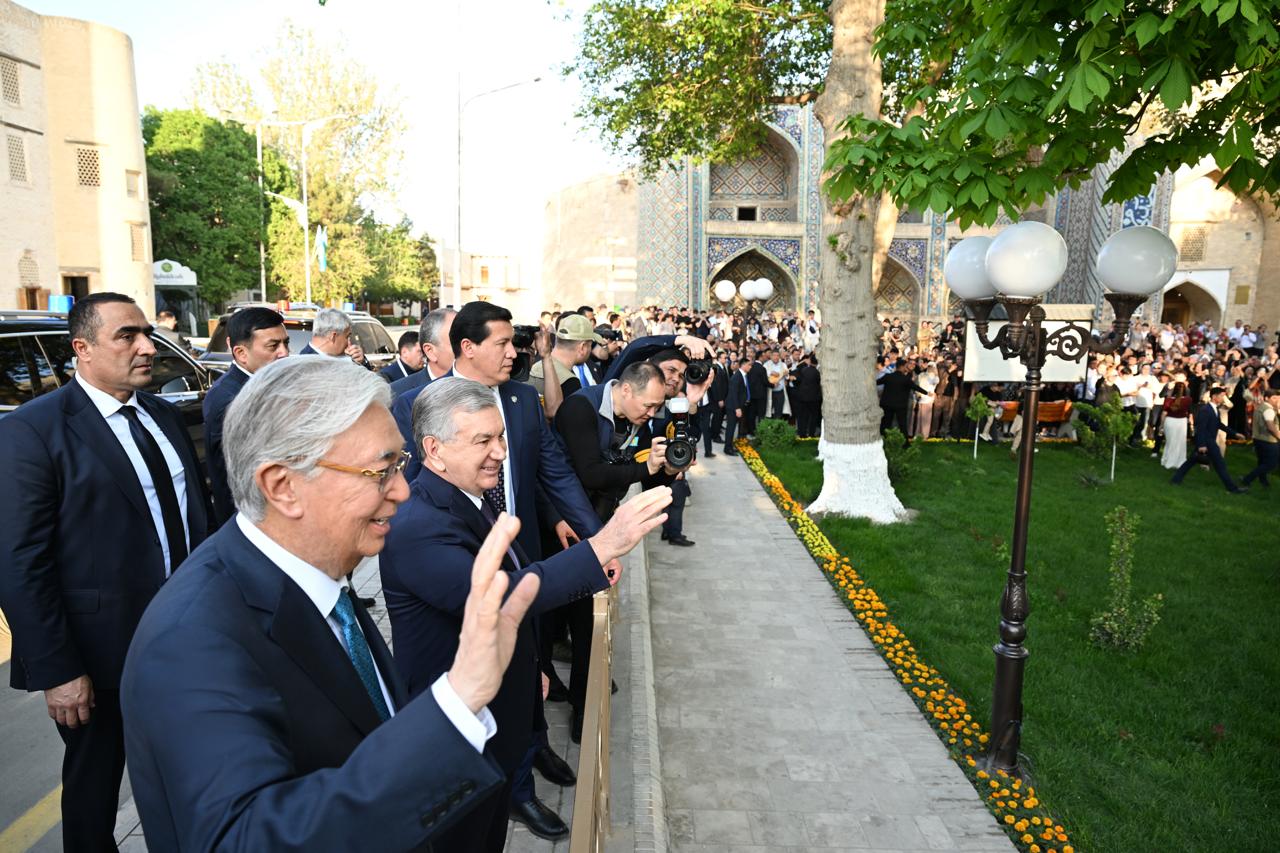
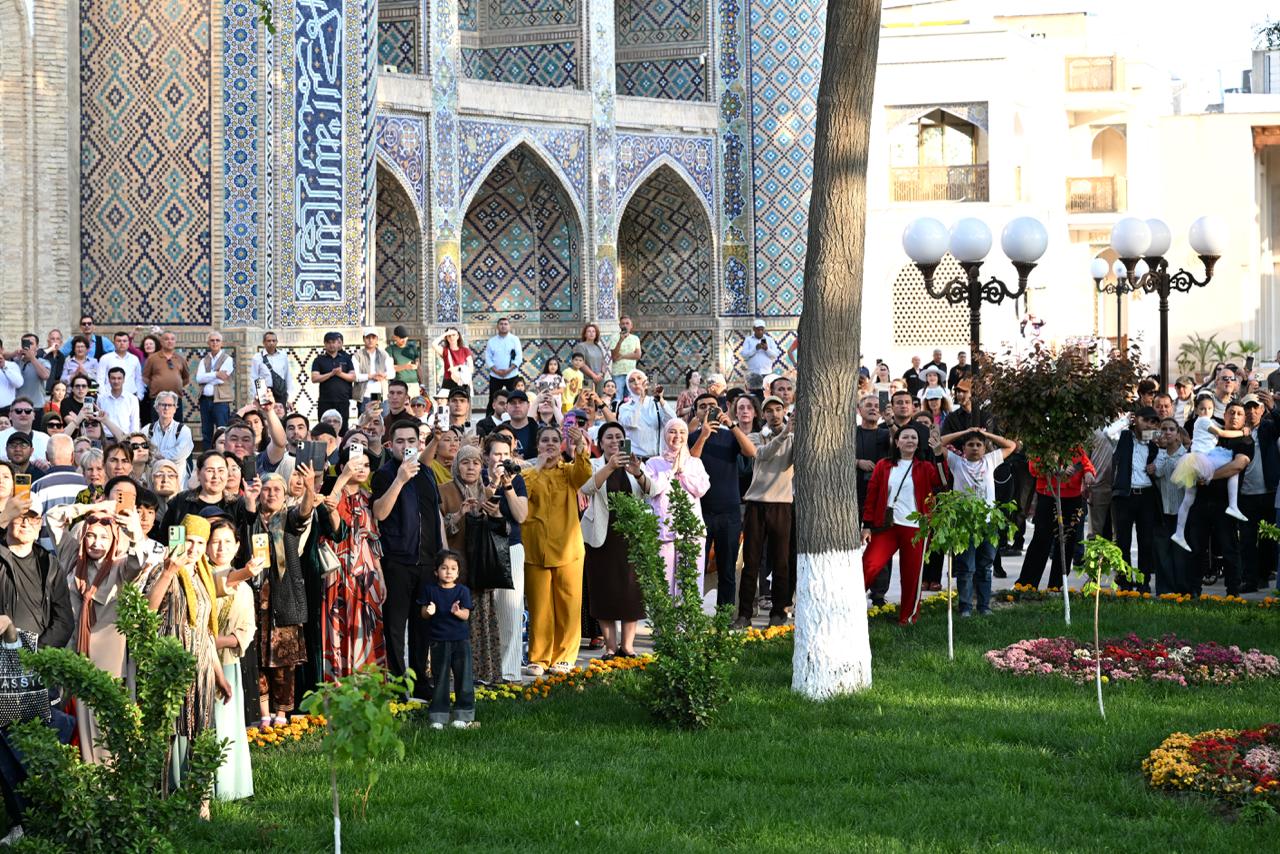
President Kassym-Jomart Tokayev, together with President Shavkat Mirziyoyev visited the world-renowned monuments of ancient Bukhara—the Ark Fortress, as well as the Poi Kalyan and Lyabi-Hauz ensembles.
The distinguished guest was provided with detailed information on the history of these unique monuments, their architectural features, and their significance in the development of science, culture, and urban planning in the East.
The tour began at the Ark Fortress, an ancient citadel that for centuries served as the political and administrative center of Bukhara. Archaeological and historical evidence indicates that the fortress developed over a long period and, in its later form, served as the residence of Bukhara’s rulers. Today, the Ark remains one of the city’s main symbols and a key part of its historic center, which is inscribed on the UNESCO World Heritage List.
The leaders then visited the Poi Kalyan ensemble, one of the most majestic architectural complexes in Central Asia. Its dominant feature is the renowned Kalyan Minaret, erected in 1127, which for centuries has served not only as a landmark of Bukhara but also as a symbol of the city.
The ensemble also includes the Kalyan Mosque, dating from the early 16th century, and the Mir-i-Arab Madrasah. The complex is widely regarded as one of the finest architectural ensembles of Bukhara from the Shaybanid period.
The distinguished guest was particularly impressed by the Lyabi-Hauz ensemble, one of the most recognizable public spaces in historic Bukhara, centered around an ancient reservoir. It includes the Kukeldash Madrasah, as well as the khanqahand madrasah of Nadir Divanbegi. For centuries, this area has attracted residents, travelers, and scholars, preserving the unique atmosphere of medieval Bukhara to this day.
During the visit, samples of traditional crafts, elements of decorative art, and distinctive features of the monuments’ artistic design were also presented.
The distinguished guest was also provided with information on Bukhara’s centuries-old history as one of the major centers of Islamic civilization, science, enlightenment, and trade along the Great Silk Road.
It should be noted that Bukhara has long been an important spiritual and educational center for the entire region. Many prominent representatives of the Kazakh intelligentsia received their education here, forming a significant part of the shared historical and cultural heritage of our peoples. In particular, figures such as Mashkhur Zhusup Kopeev, Nurzhan Naushabayev, ShortanbayKanayuly, Sultanmakhmut Toraighyrov, and others are closely associated with the madrasahs of Bukhara and made a substantial contribution to the development of Kazakh literature, spirituality, and social thought.


When using materials reference to www.president.uz is required
© 2026 Official web-site of the President of Uzbekistan
All rights reserved
Attention! If you find an error in the text, select it and press Ctrl + Enter to notify the administration
