
11.04.2026
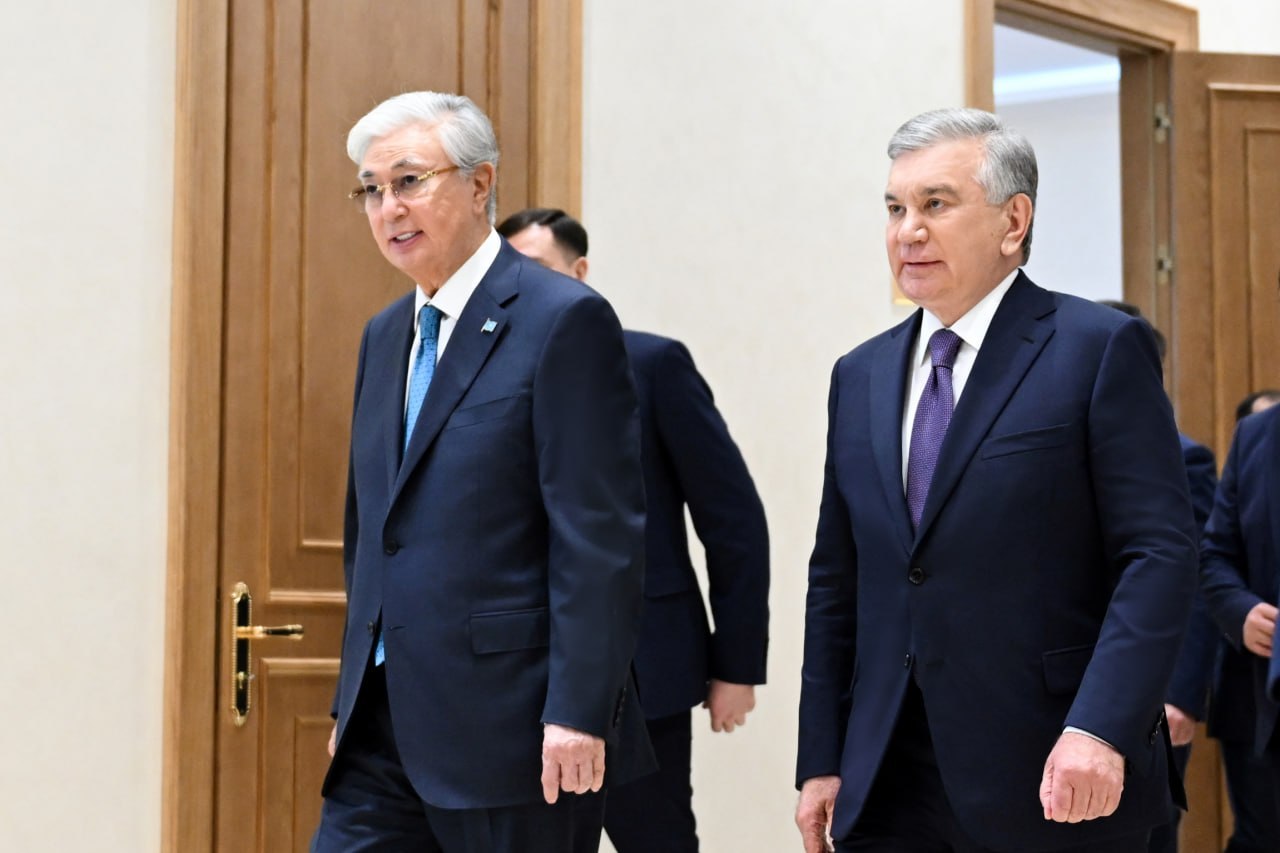
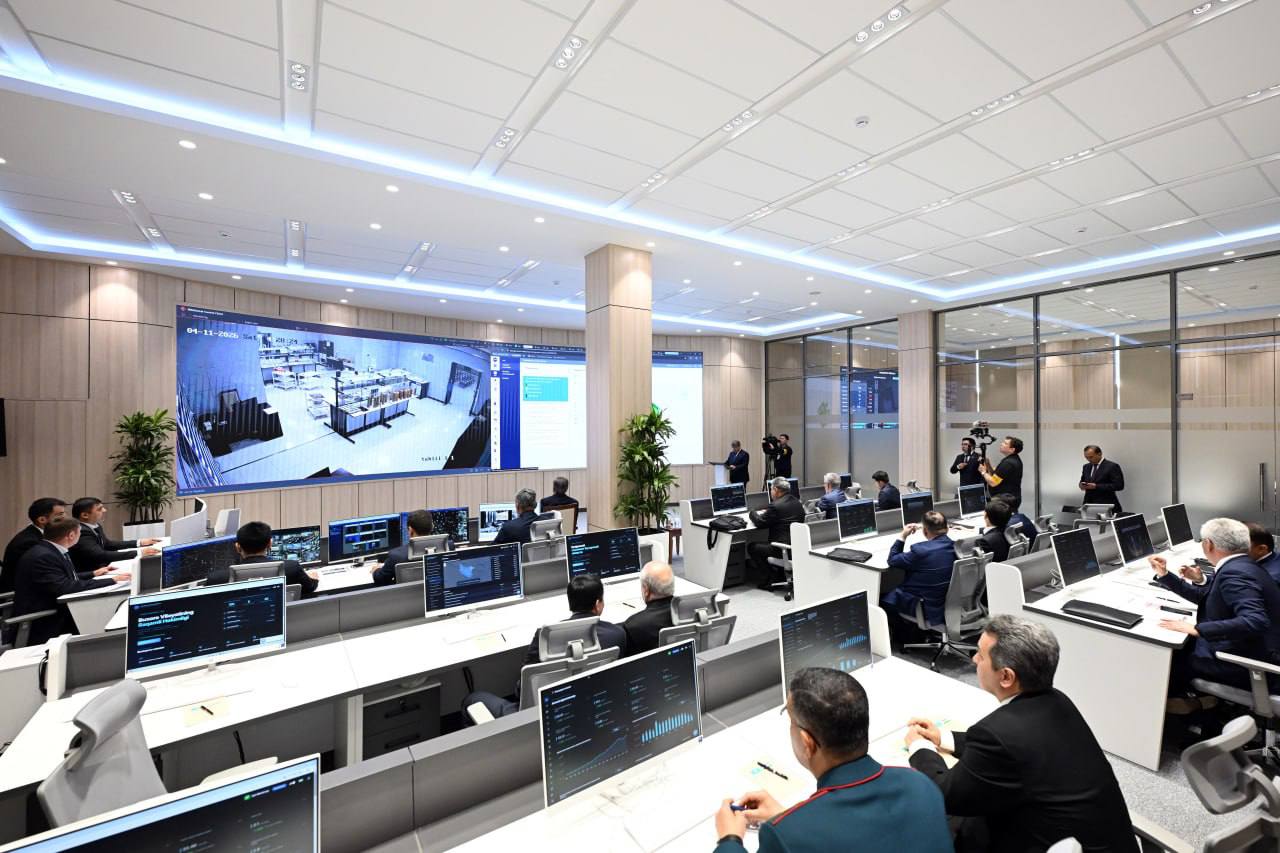
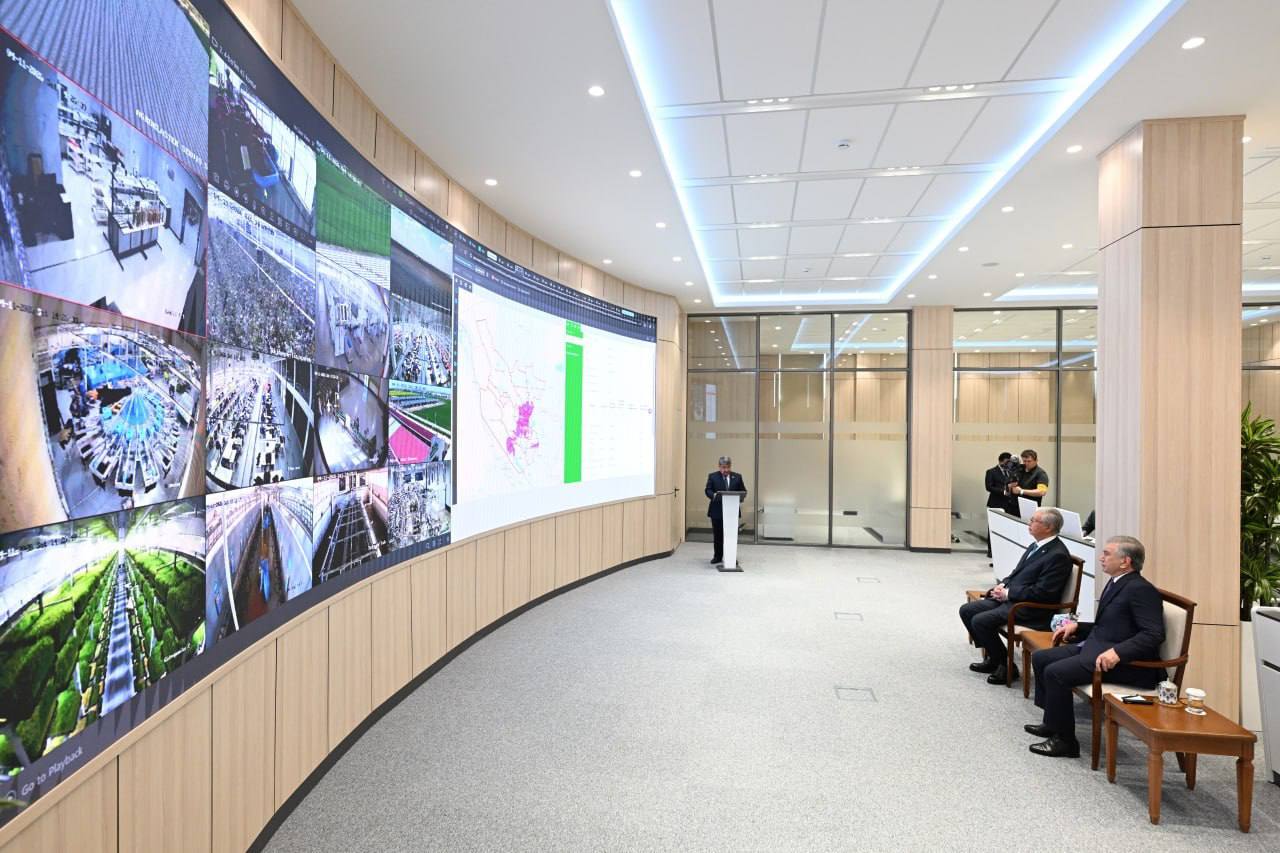
Presidents Shavkat Mirziyoyev and Kassym-Jomart Tokayev were briefed on the work of the Situation Center of the Bukhara Regional Khokimiyat.
A new model of local public administration, based on the consolidation of executive authorities within a single integrated space, is being systematically implemented in the country. This approach is aimed at enhancing interagency coordination, accelerating decision-making, and more effectively addressing issues of public concern.
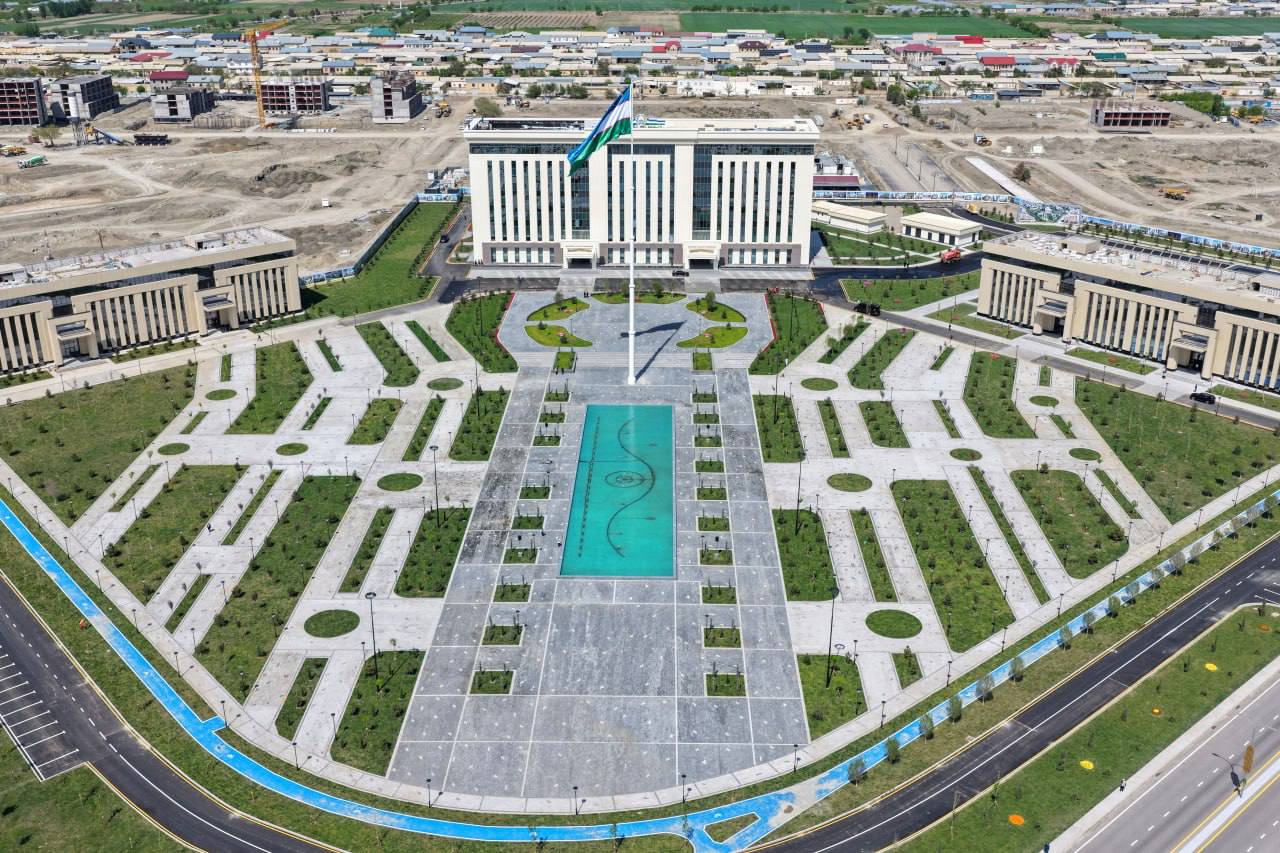
At the new administrative center of Bukhara, which in its initial phase, houses the regional and city khokimiyats, prosecutor’s offices, internal affairs bodies, and other institutions, a modern Situation Center has been established, serving as the intellectual hub of regional governance.
Here, data on key aspects of the region’s life are collected, processed, and systematically analyzed in real time— from socio-economic development and the implementation of investment projects to the state of municipal infrastructure, traffic conditions, public safety, and the handling of citizens’ appeals.
The distinguished guest was briefed, through specific examples, on the center’s capabilities for comprehensive territorial monitoring, early identification of problem areas, objective assessment of local performance, and ensuring strict oversight of task implementation. It was emphasized that such digital mechanisms elevate the quality of governance, enable more targeted decision-making, and strengthen the personal accountability of officials.
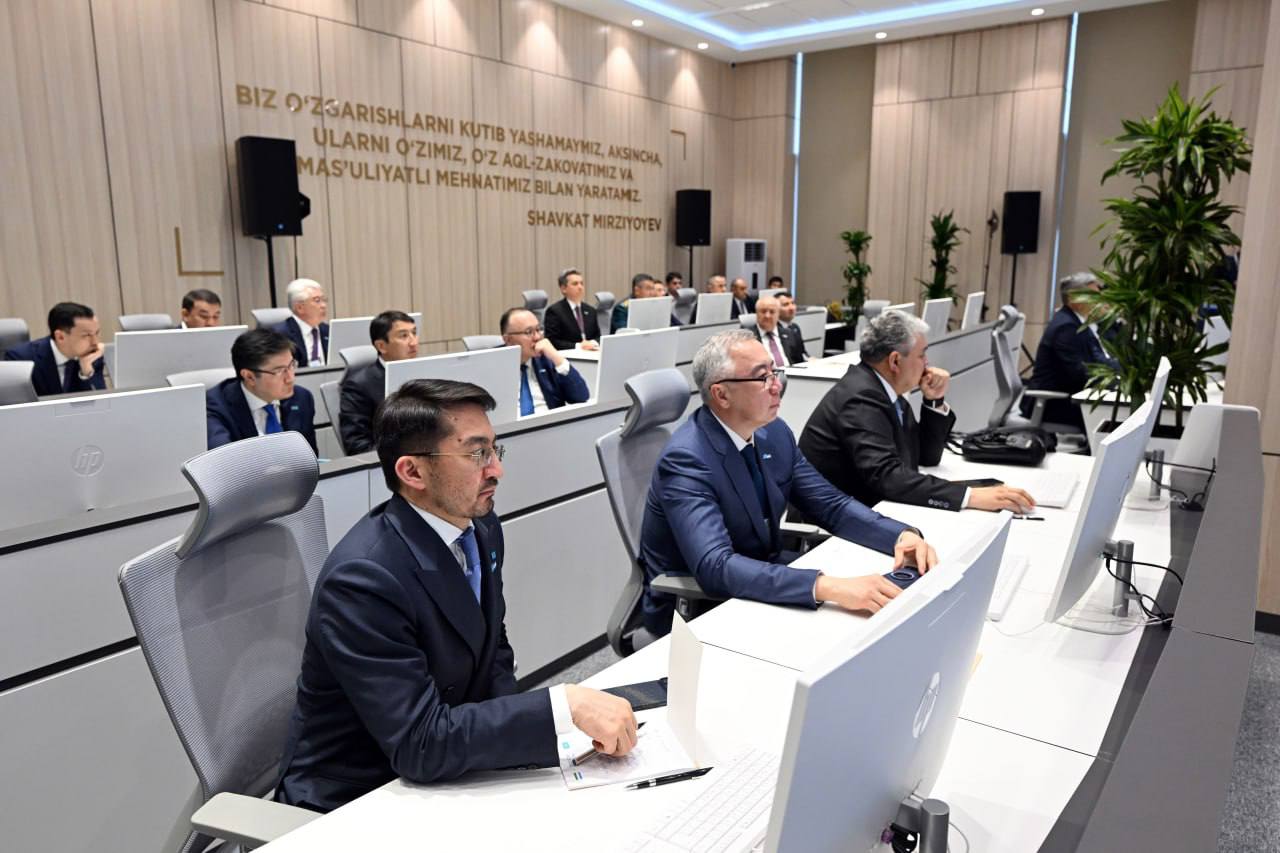
The leaders then familiarized themselves with the working conditions created for khokimiyat staff. The new building features modern workspaces, meeting facilities, advanced digital infrastructure, and all necessary conditions to ensure the effective and coordinated functioning of government bodies.
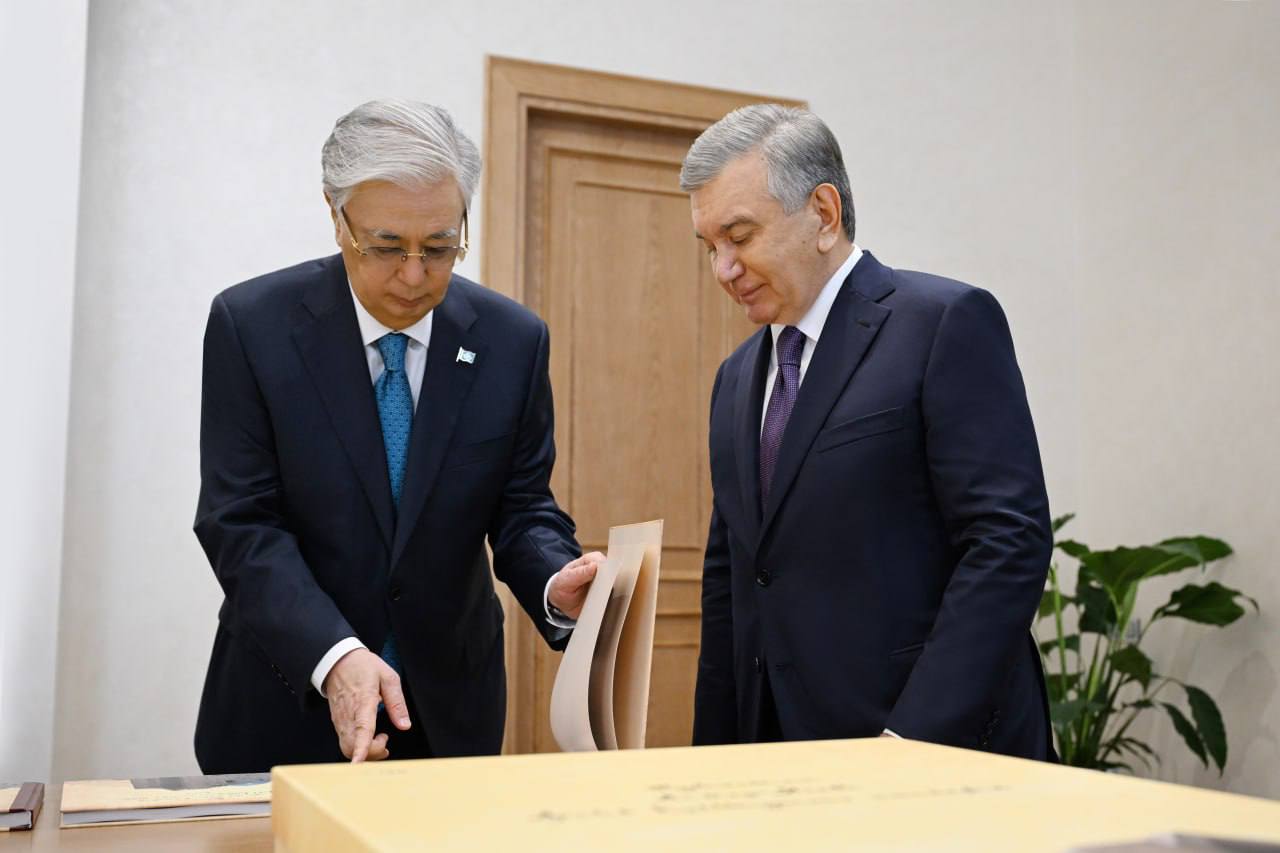
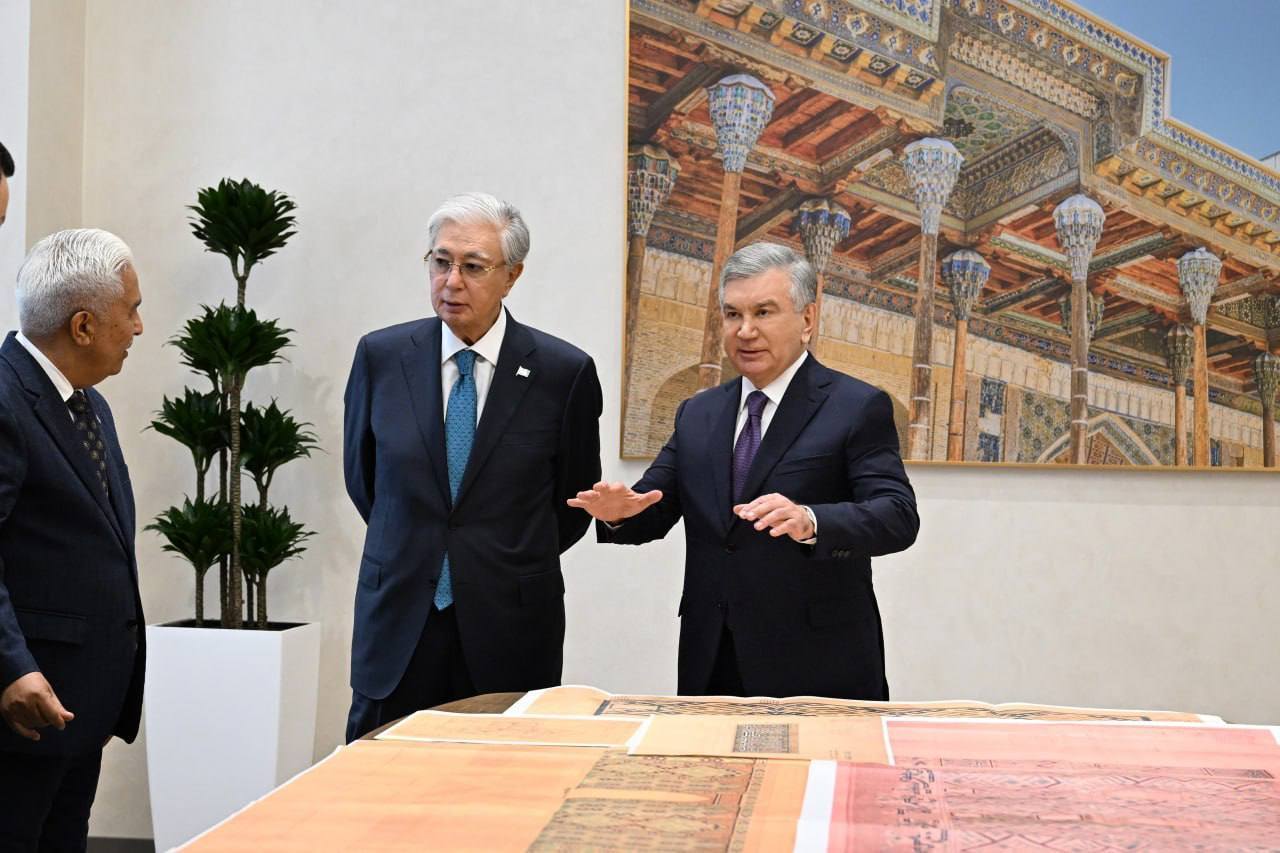
During the visit, the President of Kazakhstan was also presented with copies of unique archival materials, including valuable documents, drawings, and photographs from the 1920s–1950s discovered in Uzbekistan, relating to the mausoleums of Khoja Ahmed Yasawi and Rabia Sultan Begim, the daughter of Mirzo Ulugbek, located in Turkestan.
As a sign of respect for the fraternal people of Kazakhstan and the shared history of the two countries, copies of these archival materials were presented to the Kazakh side.
It was noted that many of these materials, previously not introduced into scholarly circulation, are of significant historical and scientific value. It was emphasized that the mausoleums of Khoja Ahmed Yasawi and Rabia Sultan Begim, as unique architectural monuments, hold a special place in the shared historical and cultural heritage of the peoples of Central Asia.


When using materials reference to www.president.uz is required
© 2026 Official web-site of the President of Uzbekistan
All rights reserved
Attention! If you find an error in the text, select it and press Ctrl + Enter to notify the administration
