

12.03.2026
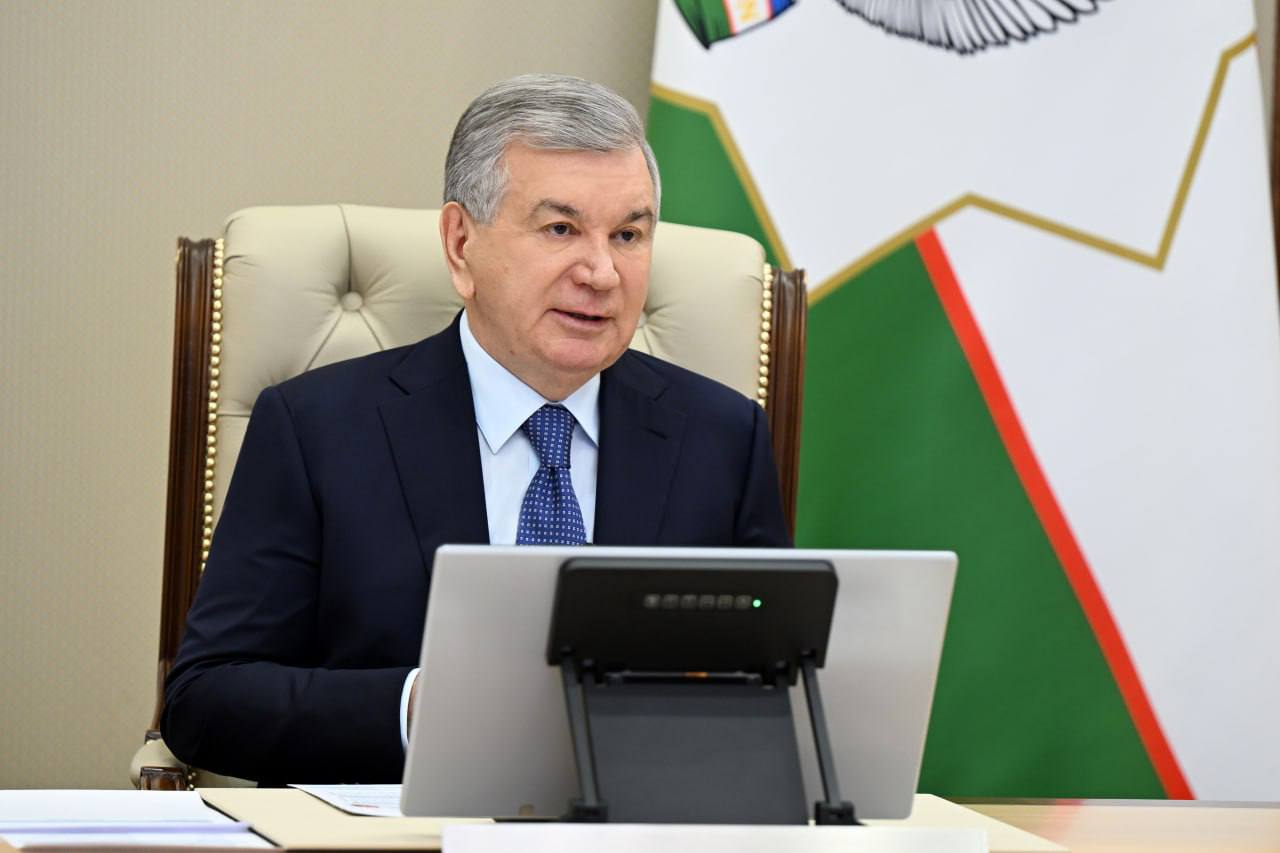
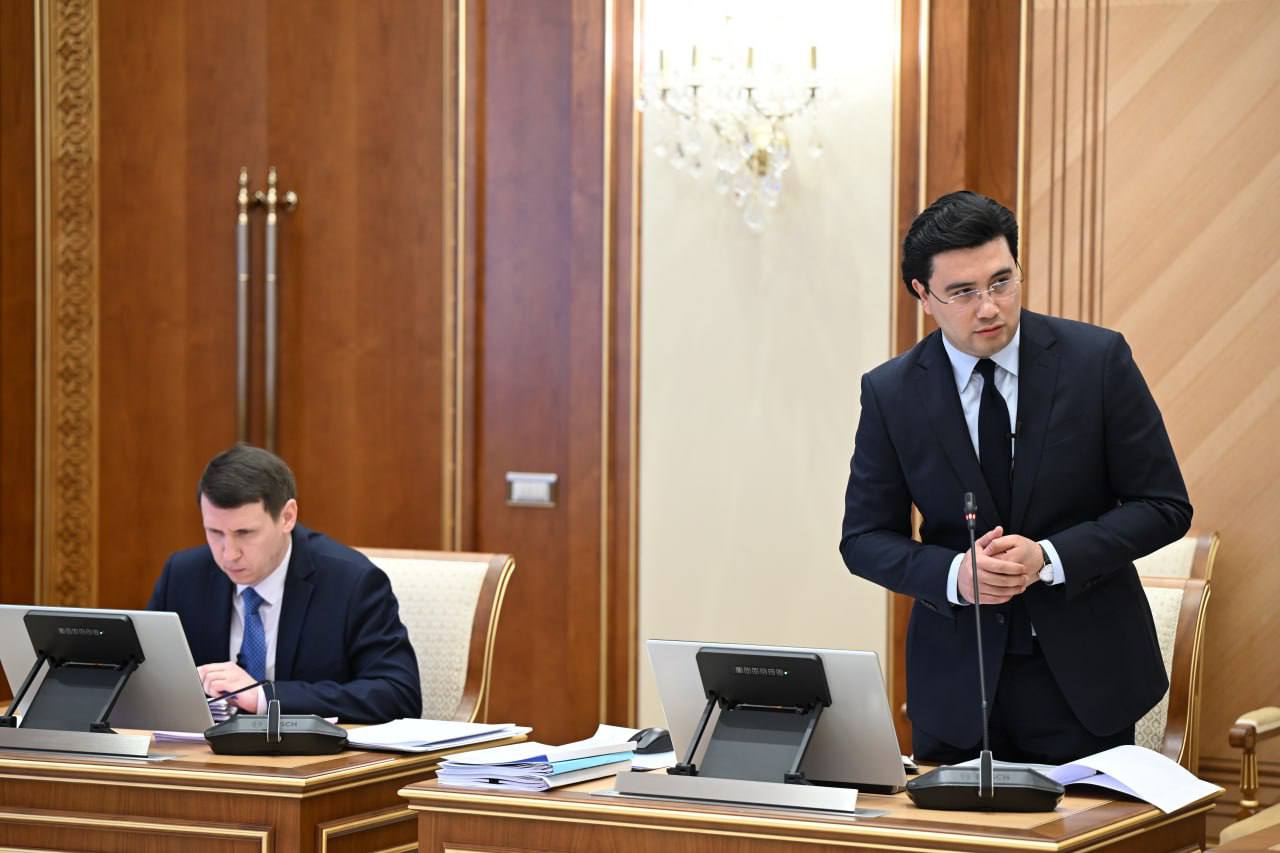
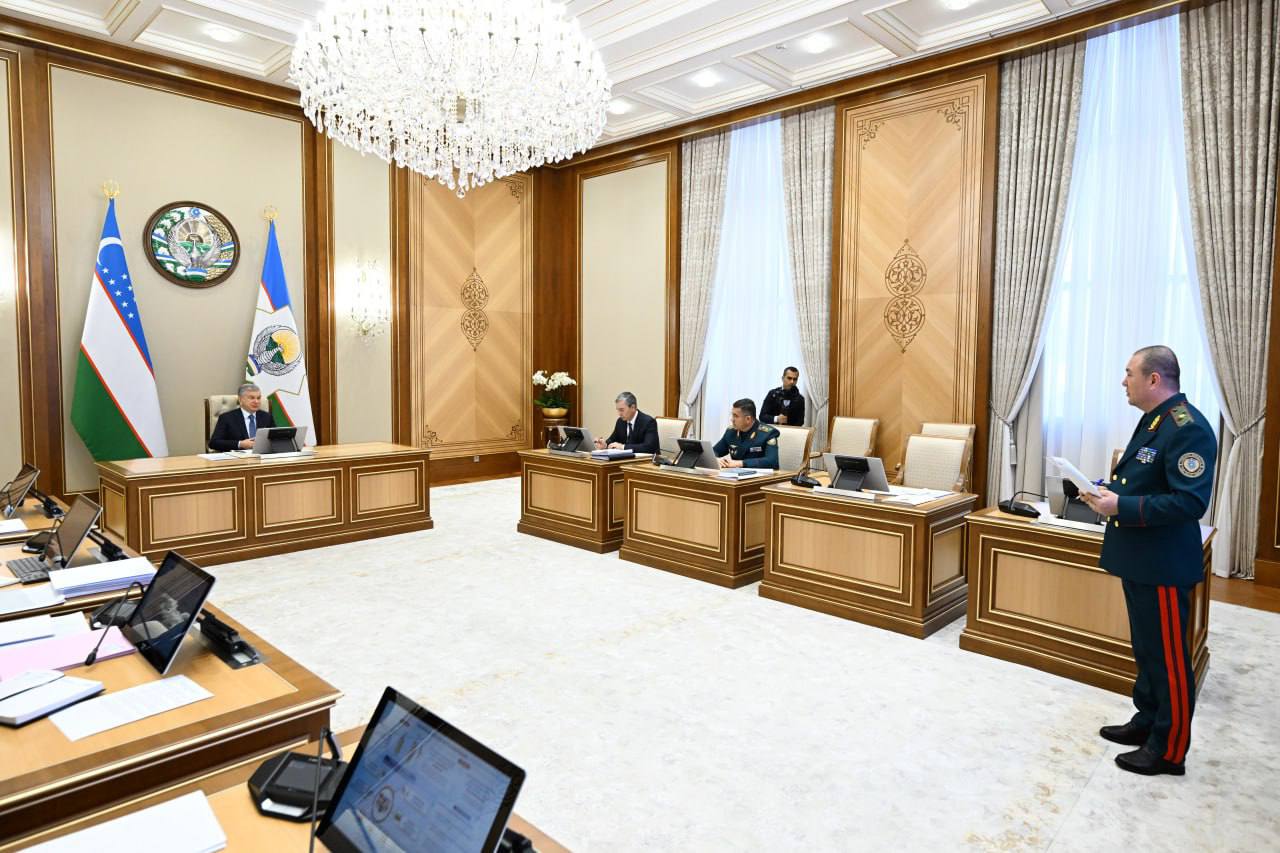
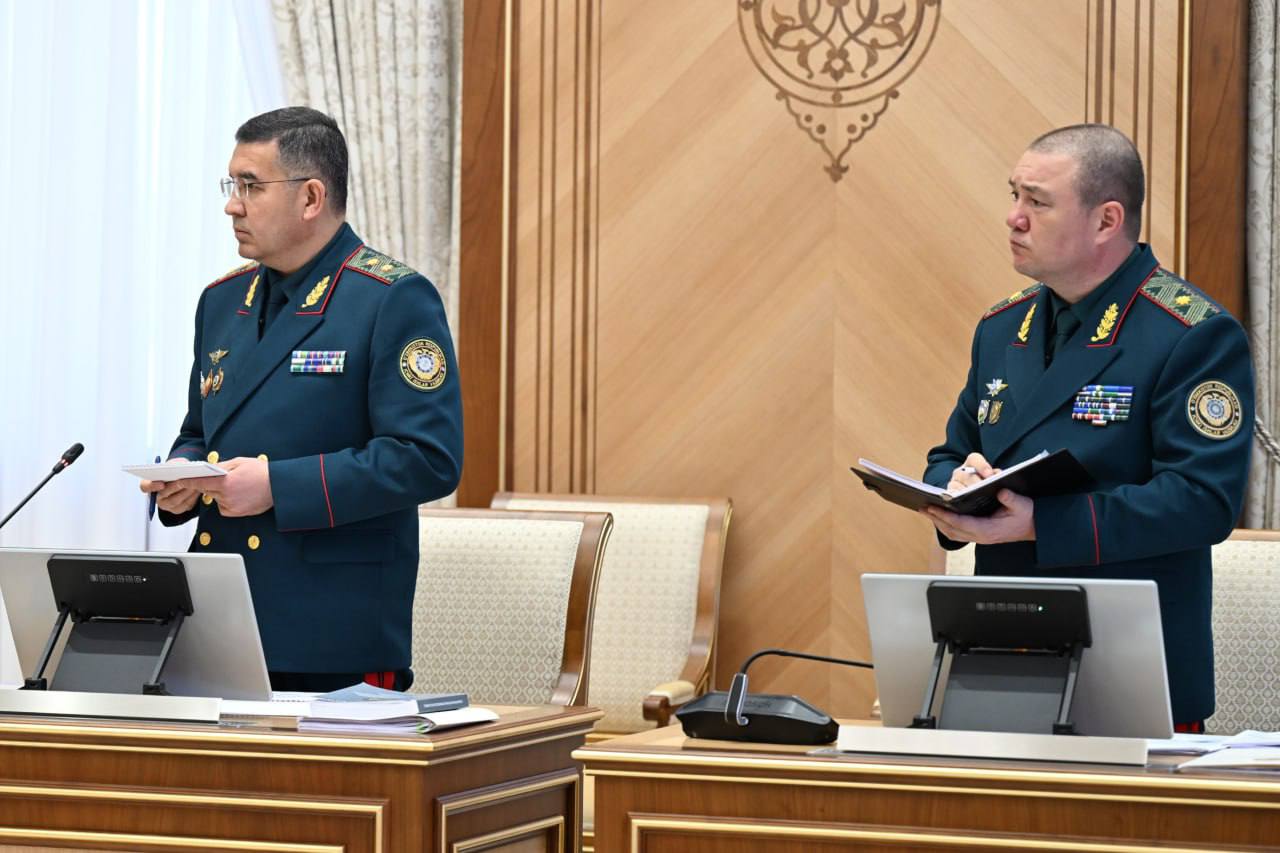
On March 12, President Shavkat Mirziyoyev was briefed on proposals to strengthen the fight against cybercrime and organized crime and to enhance the prevention of offenses committed using information technologies.
Today, opportunities for disseminating information and searching for data on the Internet are expanding in the country. In particular, the number of internet users in Uzbekistan has exceeded 31 million, including 14 million active social media users.
At the same time, cases of the internet and social networks being used for illegal purposes are being recorded more frequently. Thus, over the past six years, the number of reports of cybercrimes in the country has increased 48-fold. Last year, 82 percent of fraud cases and 76 percent of thefts were committed in cyberspace. The material damage caused to individuals and legal entities exceeded 2 trillion soums.
As noted at the presentation, the sharp increase in offenses committed using information technologies indicates the need to improve national legislation, strengthen liability for such crimes, and introduce norms establishing responsibility for new forms of cybercrime. The expediency of strengthening penalties for crimes in the sphere of information technologies, as well as for pyramid schemes affecting large numbers of citizens, was also emphasized.
To increase citizens’ personal responsibility for the use of electronic payment instruments and subscriber numbers registered in their names, it has been proposed to establish administrative and criminal liability for allowing electronic payment instruments, crypto-wallets, SIM cards, and electronic accounts registered in their names to be used in the commission of cybercrimes.
The presentation noted that cyberattacks targeting critical information infrastructure facilities, capable of causing serious consequences and major material damage, are becoming global in nature and are also being observed in the country. This requires legal entities to continuously strengthen the protection of their information systems, taking into account modern threats, and to pay special attention to ensuring cybersecurity.
In this regard, it was proposed to introduce administrative liability for legal entities for non-compliance with information and cybersecurity requirements, regardless of whether any consequences occur.
It was noted that this also applies to banks providing remote financial services, which need to continuously improve the protection and security of their systems in order to prevent fraud. In particular, in previous years, due to vulnerabilities in the systems of three banks, 3,025 clients suffered material damage amounting to 17 billion soums.
Taking this into account, an initiative was put forward to legally establish the liability of commercial banks, payment system operators, and payment organizations for material damage caused by cybercrimes resulting from their non-compliance with information and cybersecurity requirements.
It was also noted at the presentation that the forms and methods of organized crime are changing. It was emphasized that the current penalties are not sufficiently effective against hooliganism committed by organized groups that openly disregard the norms of public conduct and demonstrate opposition to the law, including through the display or use of firearms, repeated offenses, and resistance to representatives of authority performing public order duties.
Furthermore, cases of the covert organization of illegal combat and mixed martial arts fights involving young people have recently been observed. At the same time, it was noted that, to date, no liability measures have been provided for such actions.
In this regard, it was emphasized that the time has come to include provisions in the legislation aimed at preventing such threats, combating them uncompromisingly, and eradicating such phenomena.
It has been proposed to introduce norms providing for criminal liability for the creation of a criminal association for the purpose of committing serious and especially serious crimes, for financing such associations, and for assisting in the concealment of crimes committed by such groups, as well as for the illegal organization and conduct of combat sports competitions. In addition, it was proposed to strengthen penalties for hooliganism and to establish administrative liability for participation in illegally organized combat sports competitions.
The presentation featured draft laws aimed at countering offenses committed using information technologies, as well as at further strengthening criminal law mechanisms to combat organized crime and crime in public places.
The President approved the proposals presented and issued the relevant instructions to the responsible officials.


When using materials reference to www.president.uz is required
© 2026 Official web-site of the President of Uzbekistan
All rights reserved
Attention! If you find an error in the text, select it and press Ctrl + Enter to notify the administration
