

16.02.2026
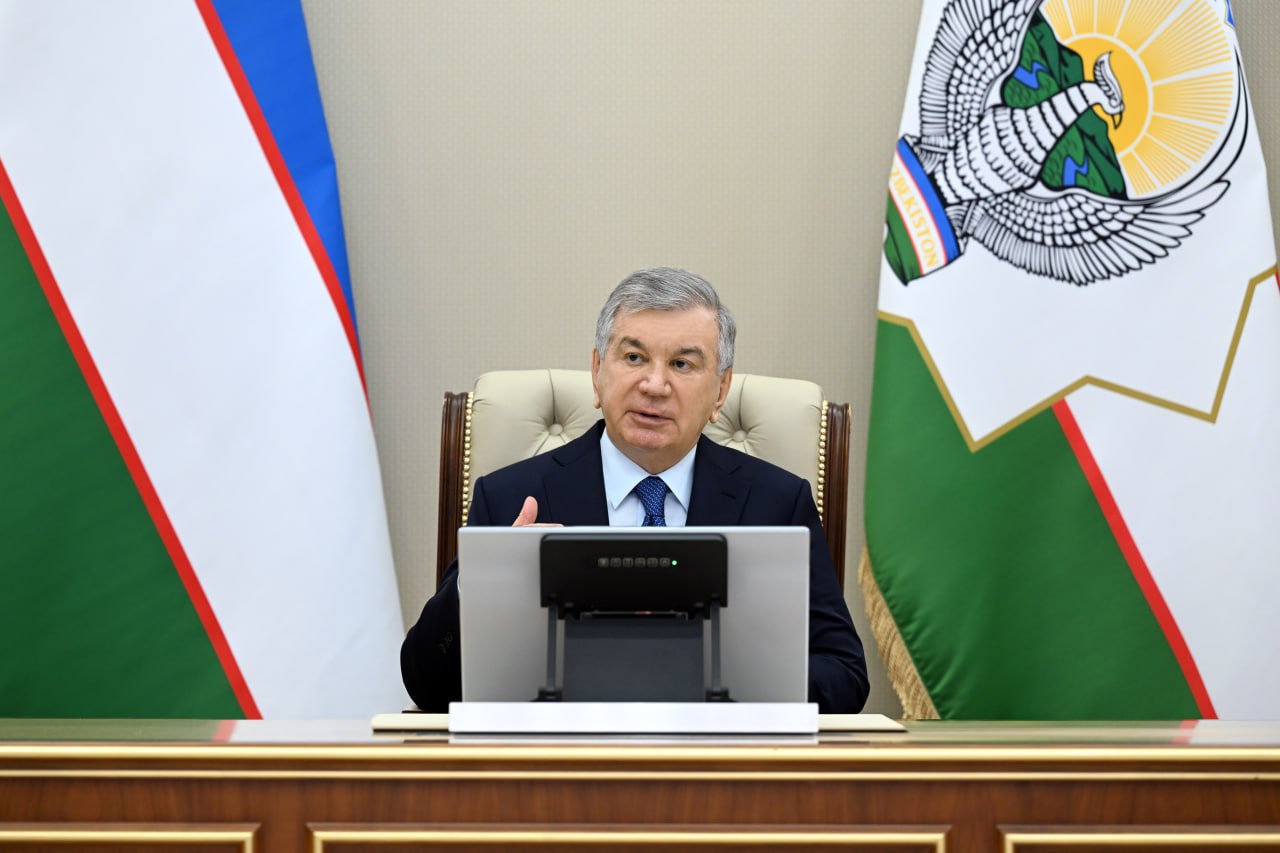
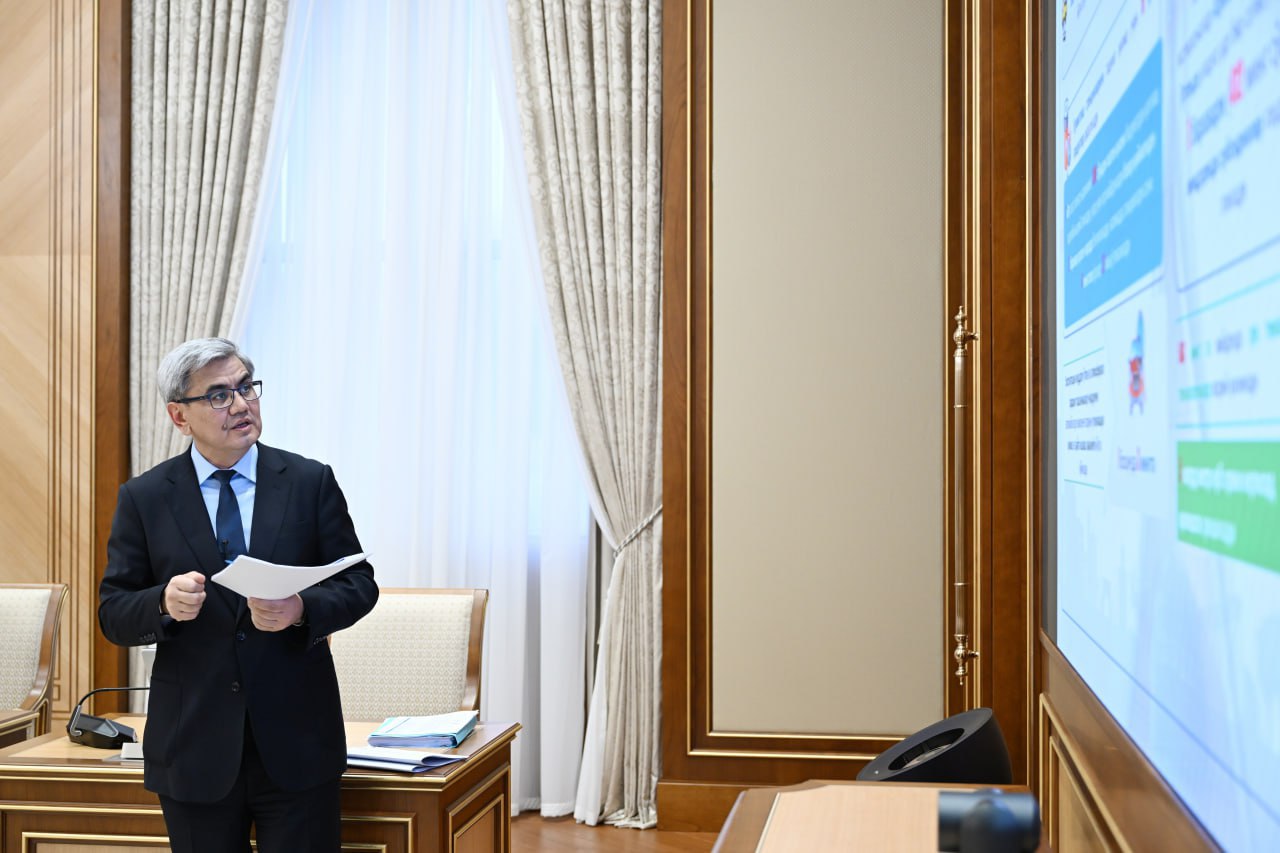
President Shavkat Mirziyoyev was briefed on the draft programs of the most priority reforms and the State Program for the implementation of the "Uzbekistan-2030" Strategy in 2026.
As noted, drafts were developed using a completely new approach based on advanced foreign experience. They define the main directions and target indicators of state policy for the year, as outlined by the President, as well as the specific mechanisms for their implementation.
The distinctions between the reform programs and the State Program were particularly addressed.
The reform programs include initiatives put forward by the Head of state in his Address to the people and the Oliy Majlis, as well as the most priority reforms for 2026.
These include upgrading mahalla infrastructure to reflect the image of a New Uzbekistan, transitioning the economy toward a technological and innovation-driven growth model while stimulating domestic demand, enhancing professional development and establishing a new labor market architecture, ensuring ecological balance and the rational use of water resources, improving public administration and the judicial-legal system and strengthening social unity.
Within these programs, a transition is being made from the principle of "developing documents" to that of "achieving results". For each initiative, implementation mechanisms and key performance indicators (KPIs) are established to assess outcomes at the end of the year. The programs operate under a direct-action mechanism, and for certain initiatives, the adoption of a separate document is not required. Each reform program designates a responsible leader with personal accountability, as well as a coordinating state body.
The State Program for the implementation of the "Uzbekistan – 2030" Strategy in the "Year of Mahalla and Social Prosperity" organizes the execution of the strategy's target indicators for 2026. It approves a practical action plan consisting of 337 measures. In 2026, 59 drafts of the most important legal and regulatory acts will be developed by sector, and 12 drafts of legal and regulatory acts providing for key strategic reforms.
It was noted that during the development of the drafts, particular attention was paid to considering public opinion. The State Program was submitted for broad public discussion, and from January 23 to February 1, it was actively promoted in the media and online. More than 5 million users viewed the draft online, and over 22,000 opinions and suggestions were submitted.
More than 50 discussions were held in universities and state institutions, with the participation of about 10,000 students, faculty members, and civil servants.
Following this review process, nearly 1,000 proposals were selected, recognized as constructive, and incorporated into the draft State Program.
In particular, initiatives such as stricter penalties for violence against women and children, life imprisonment for pedophilia, improving credit mechanisms for mortgages and electric vehicle purchases, increasing the share of renewable energy sources to 30 percent, elevating anti-corruption efforts to a new level, and introducing the institution of jurors in criminal proceedings were supported.
Furthermore, proposals such as strengthening open accountability for the expenditure of funds allocated to the needs of mahallas, constructing roads, pedestrian and bicycle paths within mahallas, establishing business incubators, opening professional retraining centers at industrial zones, tightening liability for illegal tree cutting, introducing energy efficiency KPIs, and forming disposal and recycling chains were deemed interesting.
In addition, discussions were held with the participation of compatriots in the USA, Germany, Türkiye, France, Canada, Korea, Japan, Sweden, Portugal, and Kazakhstan, during which about 60 proposals were received.
Compatriots abroad proposed the introduction of clear, sustainable, and transparent licensing and oversight mechanisms for non-state schools, the establishment of an incentive and accountability system for enterprise specialists supervising interns, the creation of a unified digital screening system to identify high-risk groups for cervical and breast cancer, the adoption of a performance-based subsidy model for concessional lending, the implementation of an “Export-as-a-Service” model providing comprehensive logistics, customs, certification, marketing, and payment services through a single operator, and the development of instructions and video guides on using the electronic queue system for lawyers.
It is planned to allocate 250.5 trillion soums and attract 50.4 billion dollars to finance the implementation of the programs.
The Ministry of Justice and the Chamber of Accounts will conduct constant monitoring of the State Program's implementation. The Cabinet of Ministers will discuss the progress of implementation quarterly. The progress of the program's implementation will be reported to the Legislative Chamber of the Oliy Majlis every six months and reported to the President on a monthly basis.
The officials responsible for each reform program will provide quarterly reports to the President on implementation progress. The Prime Minister has been entrusted with coordinating the implementation and financing of initiatives within the framework of the reform programs, as well as ensuring strict oversight of their execution.
Having thoroughly reviewed the submitted drafts, the Head of state approved the reform programs and the State Program for the “Year of Mahalla and Social Prosperity” by signing the corresponding decree. It was emphasized that all reforms and measures must, first and foremost, deliver tangible results in people’s lives, reflected in job creation, income growth, and increased public satisfaction.


When using materials reference to www.president.uz is required
© 2026 Official web-site of the President of Uzbekistan
All rights reserved
Attention! If you find an error in the text, select it and press Ctrl + Enter to notify the administration
