

03.02.2026
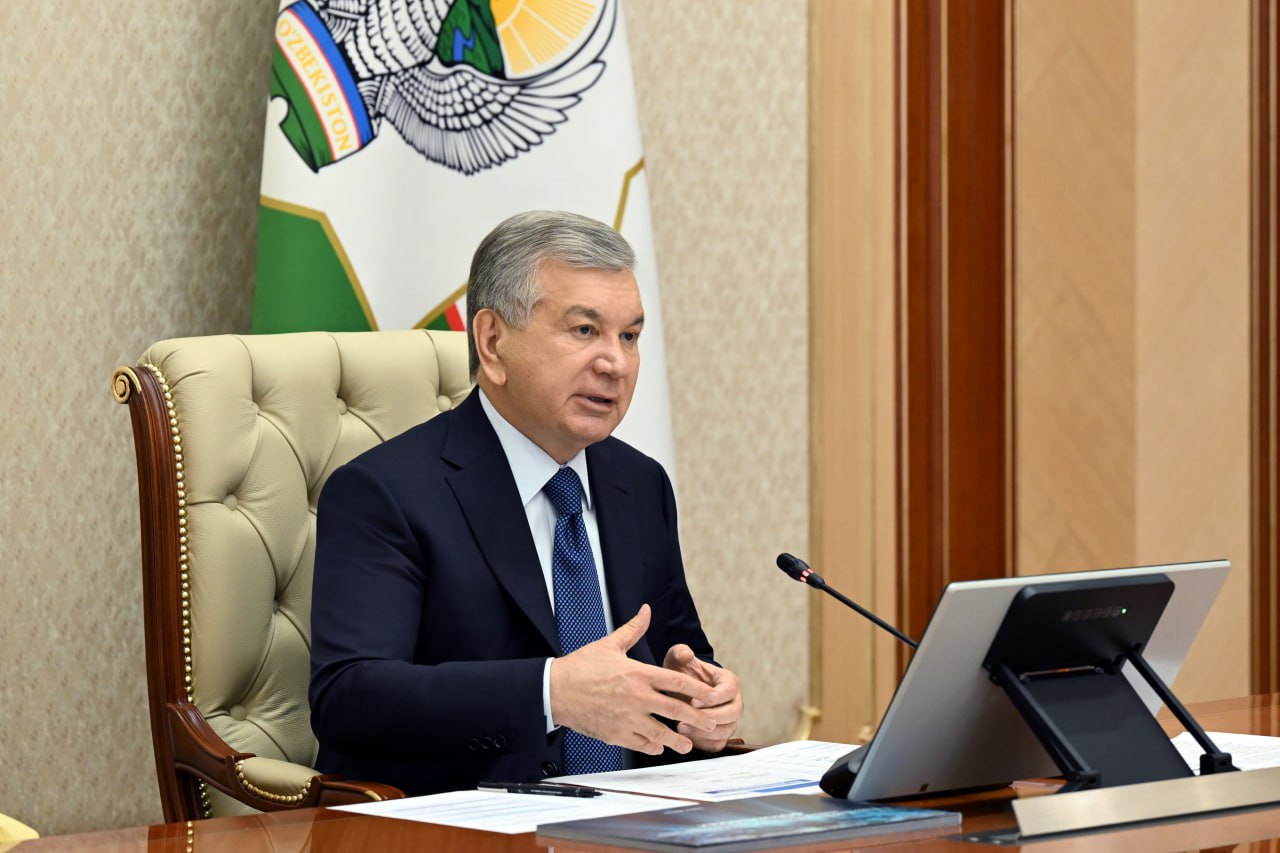
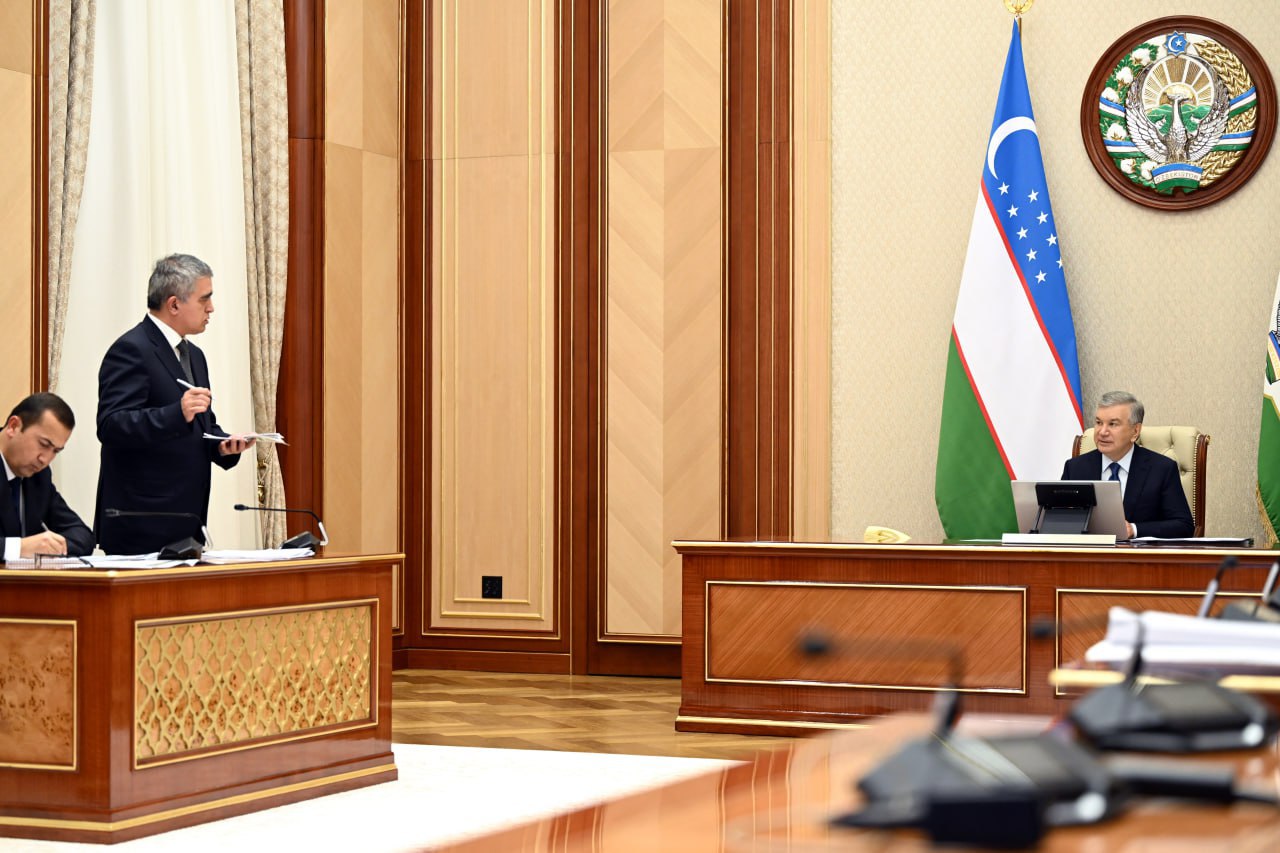
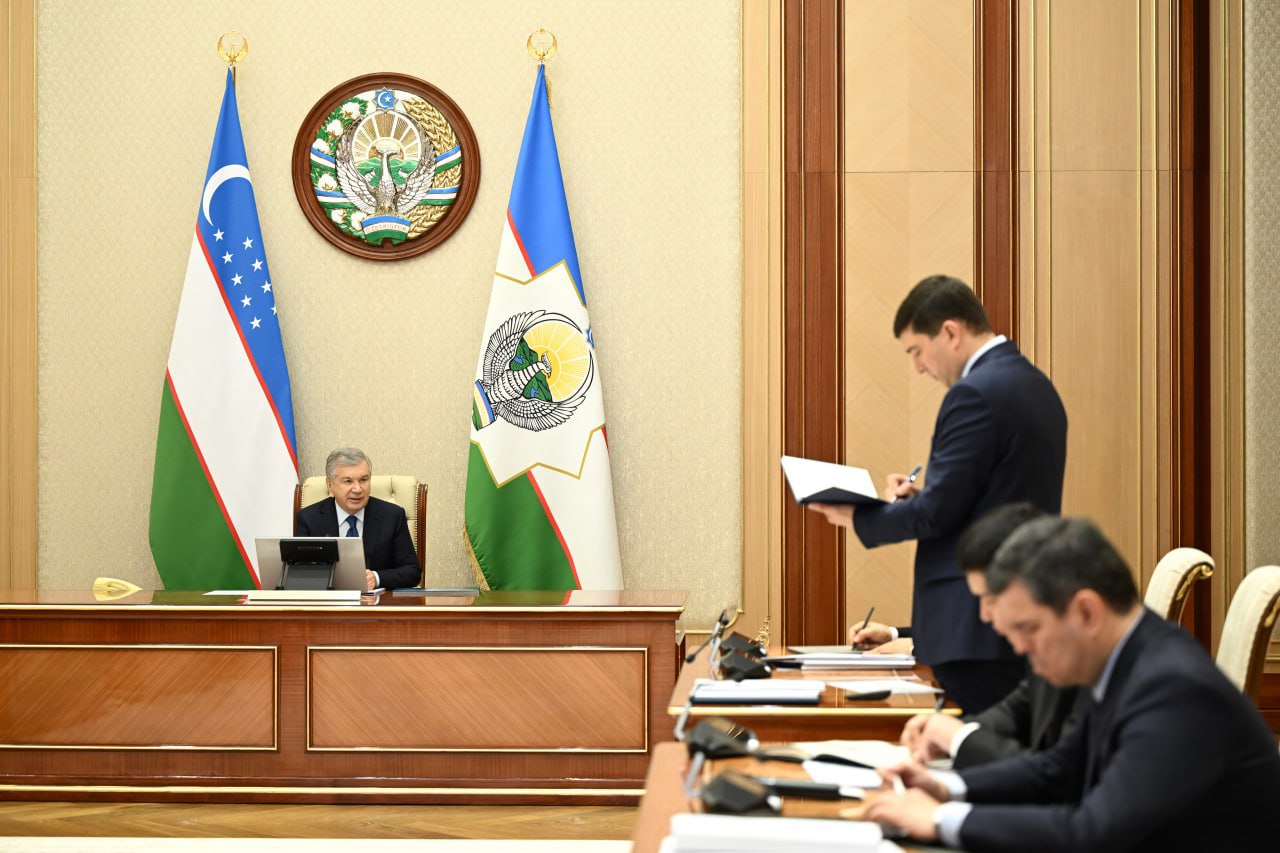
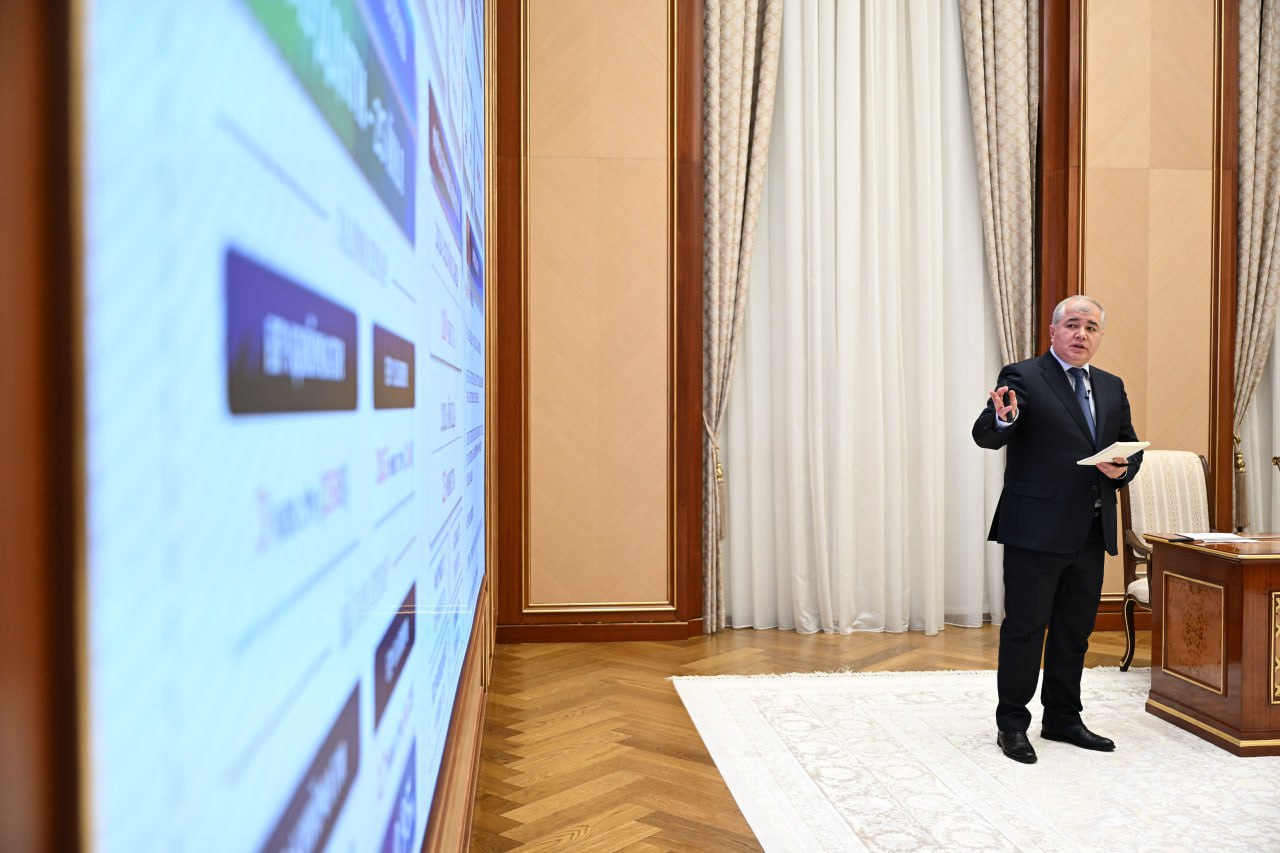
On February 3, President Shavkat Mirziyoyev reviewed a presentation on ensuring the effective use of water resources and the widespread introduction of water-saving technologies.
Currently, the area of irrigated land in our country where water-saving technologies are applied has reached 2.6 million hectares, accounting for 60 percent of the total irrigated area. For comparison, before 2017, territories where water-saving technologies were implemented covered 19 thousand hectares. As a result of these efforts, annual water savings have reached 2.5 billion cubic meters.
During the presentation, new proposals aimed at further expanding the scope of ongoing work were discussed.
In particular, it is planned to introduce water-saving technologies on another 930 thousand hectares by 2028, increasing the total area to 3.5 million hectares, or 80 percent of all irrigated land. As a result, this is expected to make it possible to save 3.5 billion cubic meters of water annually, improve water supply on 300 thousand hectares, and ensure the irrigation of secondary crops.
The water resources saved through the introduction of water-saving technologies will ensure the guaranteed coverage of irrigation needs for farmers in areas with difficult water supply.
To this end, new mechanisms of state support for the introduction of water-saving technologies in agricultural production will be introduced.
In particular, it is proposed to determine the size of the tax rate and subsidies for water resources based on the level of water resource availability of the land. For instance, when introducing water-saving technologies on irrigated lands located in areas with unstable water supply, the allocated subsidies will be calculated using an increasing coefficient of 1.25.
Furthermore, a new subsidy mechanism will be introduced for initiators who implement water-saving technologies using their own funds without attracting bank loans. Under this system, 50 percent of the subsidy amount is allocated in advance by the Agency for Payments in the Agrarian Sector on the basis of the relevant design and cost estimate documentation and a contract with the contractor enterprise.
Subsidies will now also be provided for areas where drip and sprinkler irrigation are introduced in the cultivation of grain crops.
The possibility of partial reimbursement of interest on loans provided by commercial banks for the purchase and installation of water-saving technologies will be introduced. Loan funds for the implementation of drip irrigation in cotton fields will be allocated annually starting from November.
Henceforth, contracting organizations that install water-saving technologies are required to provide a guarantee for at least 2 years for each project and to ensure service maintenance for 5 years.
Issues related to strengthening state oversight in this area were discussed.
To improve water resource management and water accounting at intake points on lands where rice is grown and fish farms are established, smart water metering and measurement devices integrated with the "Suv Hisobi" information system will be installed.
Departments for water-saving technologies and water-use monitoring will be established within the regional subdivisions of the Inspectorate for the Safety of Water Management Facilities and Control of Water Use.
A procedure will be introduced for the inspectorate to conduct inspections of business entities using body cameras. The inspectorate will be authorized to use unmanned aerial vehicles for monitoring water use and its losses on agricultural fields.
At the same time, the need to strengthen control over the targeted use of installed water-saving technologies was noted. Irrigation using traditional methods in areas where water-saving technologies have been implemented and subsidies have been allocated, without the use of these technologies or their main elements, shall be regarded as unauthorized water use.
In order to protect the interests of farmers in the implementation of water-saving technologies, it has been proposed to exempt from state fees the lawsuits filed in courts by the inspectorate and its territorial departments on matters related to the installation of water-saving technologies.
The Head of our state pointed out the need to increase the human resource potential of the sector.
The presentation outlined plans for personnel training and skills enhancement in the implementation and operation of water-saving technologies, taking into account advanced foreign experience. In particular, as part of the "School of Water Specialists" project, employees from 10,000 farms will upgrade their skills this year, and 358 water management specialists will be sent abroad for advanced training.


When using materials reference to www.president.uz is required
© 2026 Official web-site of the President of Uzbekistan
All rights reserved
Attention! If you find an error in the text, select it and press Ctrl + Enter to notify the administration
